CM Sai joins Navratri celebrations, cites women welfare push
Synopsis
CM Vishnu Dev Sai joined Navratri and Garba events in Raipur on October 18, citing 68 lakh Mahatari Vandan beneficiaries and 14 lakh Lakhpati Didis, and framed the occasion through PM Modi's 'Vikas bhi, Virasat bhi' vision.
Key Takeaways
Chief Minister Vishnu Dev Sai attended multiple Garba and Navratri festivals in Raipur on October 18, 2026 .
The Mahatari Vandan Yojana is claimed to be providing financial support to approximately 68 lakh women in Chhattisgarh.
14 lakh women in the state have reportedly achieved Lakhpati Didi status under the self-help group programme.
Sai framed the welfare push within PM Modi's 'Vikas bhi, Virasat bhi' (development and heritage together) philosophy.
The BJP government in Chhattisgarh has used Navratri as a platform to connect religious outreach with women-centric welfare messaging.
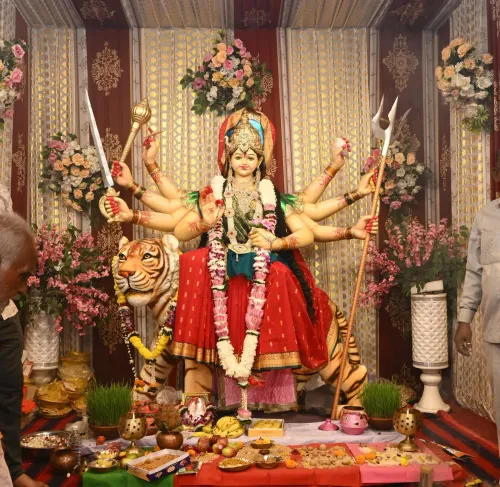
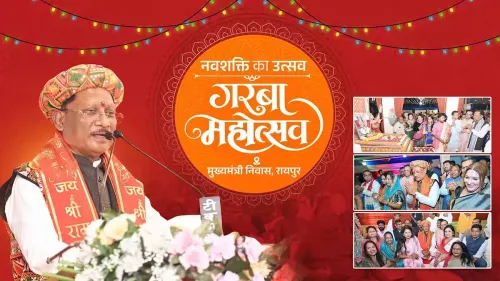
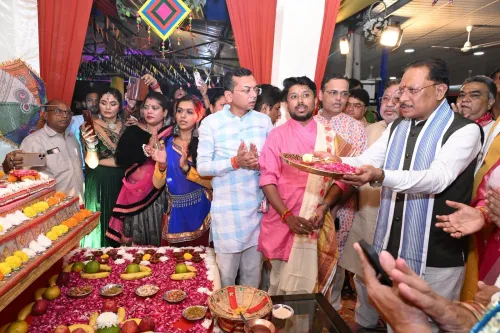
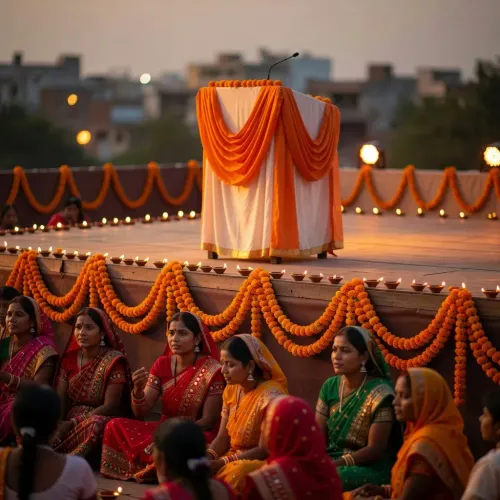
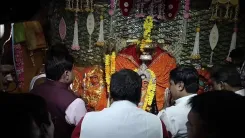
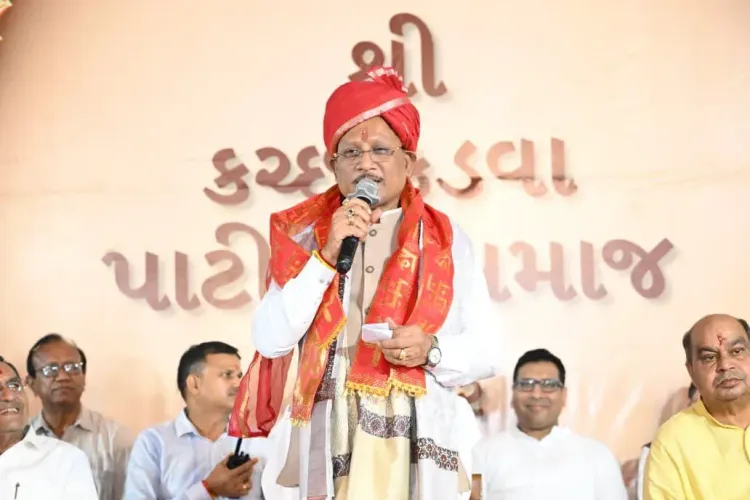
Navratri brought Chief Minister Vishnu Dev Sai to the streets of Raipur on Sunday, October 18, 2026, where he joined several Garba and Navratri festivals across the state capital, offered prayers to Mata Rani (the Goddess), and invoked her blessings for the prosperity of Chhattisgarh's people — before pivoting sharply to welfare arithmetic.
The Chief Minister's Office shared that Sai prayed for the sukh, samridhi aur khushhali (happiness, prosperity, and well-being) of all residents of the state, and wished everyone a joyous Navratri. But the festive backdrop quickly became a platform for a broader message about women's economic empowerment.
Mahatari Vandan's reach and the Lakhpati Didi milestone
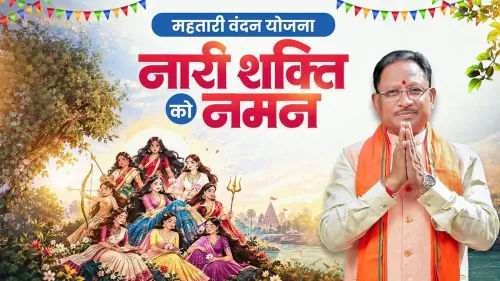
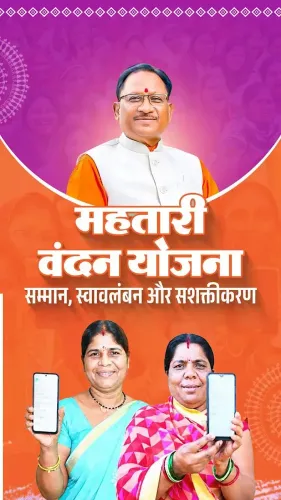
'The state government is committed to the honour, safety, and economic empowerment of mothers and sisters,' Sai said at the events. He cited the Mahatari Vandan Yojana — Chhattisgarh's direct-benefit-transfer scheme for women — as having delivered financial support to approximately 68 lakh women across the state. The scheme, introduced by the BJP government after its return to power in December 2023, channels monthly assistance directly to beneficiaries.
Sai also pointed to the Lakhpati Didi programme, which targets women in self-help groups and aims to lift their annual household income above one lakh rupees. The Chief Minister claimed that 14 lakh women in Chhattisgarh have now achieved Lakhpati Didi status, presenting them as symbols of a new self-reliance taking root in the state's rural heartland.
'Vikas bhi, Virasat bhi' — Modi's mantra as the governing frame
Sai anchored both announcements within Prime Minister Narendra Modi's governing philosophy: 'Vikas bhi, Virasat bhi' — development alongside heritage. The framing positions Navratri not merely as a religious occasion but as a moment to demonstrate that cultural preservation and welfare delivery are two sides of the same coin for the ruling dispensation in Chhattisgarh.
The combination is a recognisable BJP playbook — using high-footfall festival settings to amplify welfare messaging to exactly the demographic those schemes are designed for. In a state with a substantial rural and tribal population, Garba nights double as grassroots outreach.
With state economic surveys and rural development updates expected in the coming months, the numbers Sai cited — 68 lakh Mahatari Vandan beneficiaries and 14 lakh Lakhpati Didis — will face the scrutiny of official disbursement data. For now, the goddess's festival has given the government its most visible stage yet to stake its claim on women's welfare.
Point of View
If the numbers hold up in official audits, would represent one of the larger direct-benefit-transfer footprints in any mid-sized Indian state. By explicitly invoking PM Modi's 'Vikas bhi, Virasat bhi' frame, Chhattisgarh's administration is aligning itself tightly with the central BJP brand ahead of any future electoral test. The Lakhpati Didi figure — 14 lakh women crossing the one-lakh income threshold — is the sharper political prize: it tells a story of upward mobility, not just subsidy.
NationPress
18 Oct 2026
Frequently Asked Questions
What is the Mahatari Vandan Yojana in Chhattisgarh?
The Mahatari Vandan Yojana is a Chhattisgarh state welfare scheme that provides monthly direct financial assistance to women. The Sai government claims it has reached approximately 68 lakh women beneficiaries across the state.
What does Lakhpati Didi mean and who qualifies?
A Lakhpati Didi is a woman in a self-help group whose annual household income has crossed one lakh rupees. The programme runs under the national Deendayal Antyodaya Yojana-NRLM and aims to promote economic self-reliance among rural women.
What is PM Modi's 'Vikas bhi, Virasat bhi' mantra?
'Vikas bhi, Virasat bhi' means 'development as well as heritage.' PM Narendra Modi uses the phrase to argue that economic progress and cultural or religious tradition should advance together, not in opposition.
Why did CM Sai attend Navratri events in Raipur?
CM Vishnu Dev Sai joined Garba and Navratri festivals in Raipur on October 18, 2026, to offer prayers, wish residents a joyous Navratri, and use the high-visibility occasion to highlight the state government's women-welfare programmes.
When did Vishnu Dev Sai become Chief Minister of Chhattisgarh?
Vishnu Dev Sai assumed office as Chief Minister of Chhattisgarh in December 2023 after the BJP won the state assembly elections.