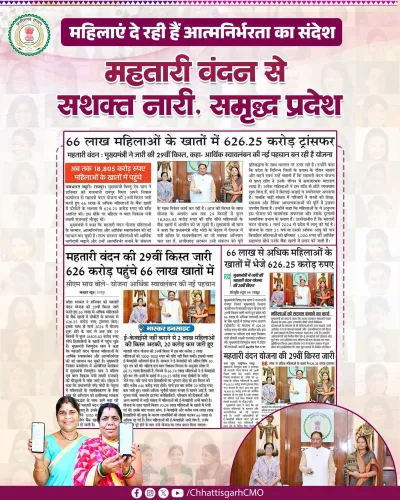
CM Sai Congratulates Women on Mahatari Vandan Yojana 29th Instalment
Synopsis
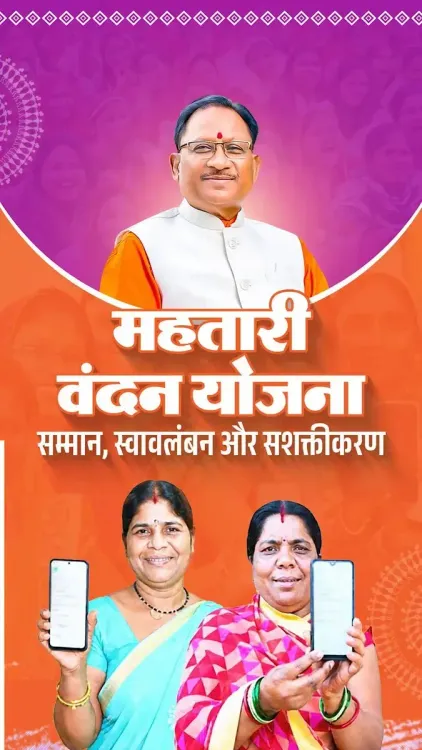
Chhattisgarh Chief Minister Vishnu Deo Sai on 11 July 2026 congratulated women beneficiaries receiving the 29th instalment under the Mahatari Vandan Yojana, reaffirming the BJP-led state government's commitment to women's economic empowerment and self-reliance through sustained direct cash transfers.
Key Takeaways
Chief Minister Vishnu Deo Sai congratulated Chhattisgarh women on receiving the 29th instalment under Mahatari Vandan Yojana on 11 July 2026 .
The scheme provides periodic direct cash transfers to eligible mothers and women across Chhattisgarh for economic support and empowerment.
The BJP-led Chhattisgarh government has maintained consistent disbursement cycles since taking office in December 2023 .
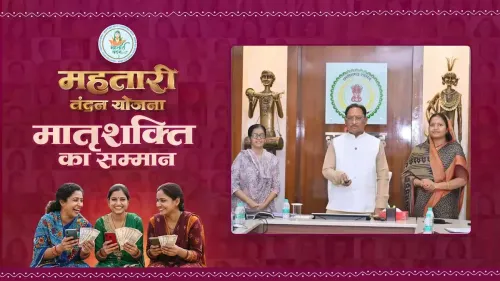
CM Sai reaffirmed the government's commitment to women's 'respect, self-reliance, and economic empowerment' ( mātṛśakti ).
The scheme is part of a broader pattern of women-targeted cash transfer programmes across Indian states since 2022 .
The next focus will be on any revision to benefit amounts or eligibility criteria in the upcoming state budget session.
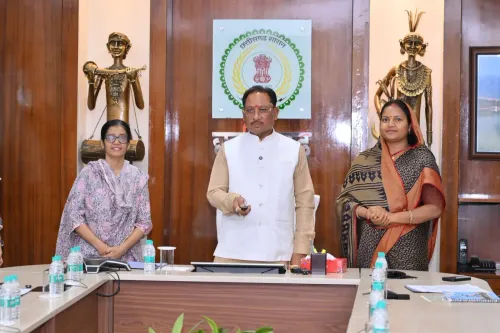
Chhattisgarh Chief Minister Vishnu Deo Sai on Saturday, 11 July 2026 congratulated all mothers and sisters across the state who received the 29th instalment of the honour amount under the Mahatari Vandan Yojana, reaffirming his government's commitment to women's economic empowerment and self-reliance.
Context
Posting on X, Chief Minister Sai extended his greetings in Hindi: 'Mahatari Vandan Yojana ke tahat 29wīn kist kī sammān rāśi prāpt karne vālī prades kī sabhī mātāon-bahanon ko hārdik badhāī evam śubhkāmnāen' — ('Heartfelt congratulations and best wishes to all mothers and sisters of the state who have received the honour amount of the 29th instalment under the Mahatari Vandan Yojana'). He added that his government remains 'continuously committed to the respect, self-reliance, and economic empowerment of women's power (mātṛśakti)'.
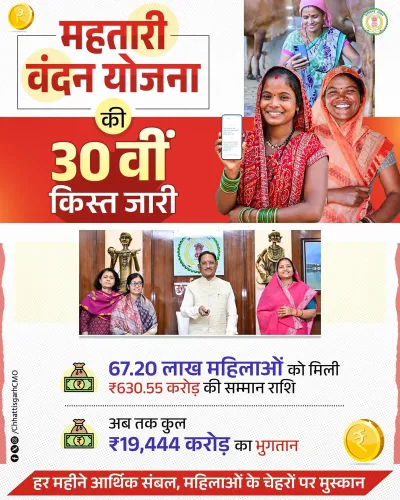
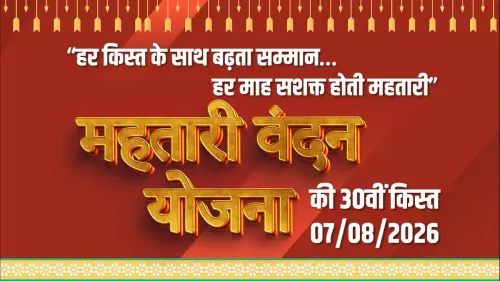
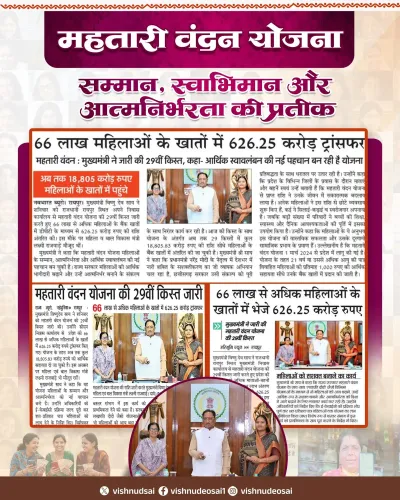
The disbursement of the 29th instalment marks a sustained run of periodic cash transfers under the scheme, underlining the regularity with which the BJP-led Chhattisgarh government has maintained the benefit cycle since assuming office in December 2023.
Policy Backdrop
The Mahatari Vandan Yojana is a Chhattisgarh state scheme designed to deliver recurring direct financial assistance to eligible mothers and women, building on the broader national architecture of direct benefit transfers. The scheme was positioned as a flagship women-centric welfare measure by the state government after the BJP's assembly election victory in late 2023.
The initiative fits into a wider pattern seen across several Indian states since 2022, where both BJP-ruled and opposition governments have launched or expanded periodic cash-transfer programmes targeting women — combining social-welfare goals with political messaging around women's dignity and financial independence.
Stakeholders and Impact
The primary beneficiaries are mothers and women residents of Chhattisgarh enrolled under the scheme. Regular disbursements are intended to supplement household incomes, reduce financial dependence, and strengthen women's agency at the grassroots level.
Political analysts note that consistent instalment releases serve a dual purpose: delivering tangible economic relief to a large voter base while reinforcing the government's narrative around mātṛśakti — the empowerment of women as a moral and social priority. With each successive instalment, the scheme builds a track record that the ruling party is likely to highlight in future electoral cycles.
What's Next
Attention will now turn to the disbursement of the 30th instalment and whether the state's next budget session brings any revision to benefit amounts or eligibility criteria. Any expansion of the scheme's coverage or an increase in the transfer quantum would signal the government's intent to deepen its women-welfare commitments ahead of future elections in Chhattisgarh.
As the scheme crosses its 29th consecutive disbursement cycle, its continuity underscores how direct benefit transfers to women have become a structural feature of state governance in central India, with the Chhattisgarh model drawing attention from other states evaluating similar programmes.
Point of View
Not a one-off electoral promise. Chief Minister Sai's public congratulatory message reinforces the political branding of the scheme around the emotive concept of mātṛśakti, a framing the BJP has deployed effectively across multiple states. The regularity of instalments is itself a political statement — demonstrating administrative follow-through at a time when scheme fatigue is a real risk for governments that announce but under-deliver. As other states benchmark their own women-welfare programmes, Chhattisgarh's sustained cadence sets a reference point for what consistent direct benefit transfers can look like in practice.
NationPress
10 Oct 2026
Frequently Asked Questions
What is Mahatari Vandan Yojana in Chhattisgarh?
Mahatari Vandan Yojana is a Chhattisgarh state government scheme that provides periodic direct cash transfers to eligible mothers and women to support their economic empowerment and self-reliance.
What is the 29th instalment of Mahatari Vandan Yojana?
The 29th instalment refers to the 29th recurring payment disbursed to enrolled women beneficiaries under the Mahatari Vandan Yojana, released in July 2026 by the Chhattisgarh government.
Who launched Mahatari Vandan Yojana?
The Mahatari Vandan Yojana was introduced by the BJP-led Chhattisgarh government after it assumed office in December 2023 under Chief Minister Vishnu Deo Sai.
Who are the beneficiaries of Mahatari Vandan Yojana?
Eligible mothers and women residents of Chhattisgarh are the primary beneficiaries of the scheme, which aims to provide financial assistance and promote women's economic independence.
What did CM Vishnu Deo Sai say about Mahatari Vandan Yojana?
CM Vishnu Deo Sai congratulated all mothers and sisters in Chhattisgarh who received the 29th instalment and stated that his government remains continuously committed to women's respect, self-reliance, and economic empowerment.