CM Bhajan Lal Sharma Urges Youth to Lead Drug-Free India Drive
Synopsis
Rajasthan Chief Minister Bhajan Lal Sharma on 18 October 2026 called on Indian youth to lead the Nasha Mukt Bharat Abhiyan and commit to a drug-free India by 2029, backing the national campaign launched in August 2020.
Key Takeaways
Rajasthan CM Bhajan Lal Sharma on 18 October 2026 called on youth to spearhead India's anti-drug movement.
He cited 2029 as the target year for achieving a drug-free India.
The appeal aligns with the Nasha Mukt Bharat Abhiyan , a national campaign launched on 15 August 2020 by the Ministry of Social Justice and Empowerment.
The campaign focuses on community outreach, counselling, and youth mobilisation to combat substance abuse.
Sharma framed youth not as passive beneficiaries but as active agents in realising the national drug-free goal.
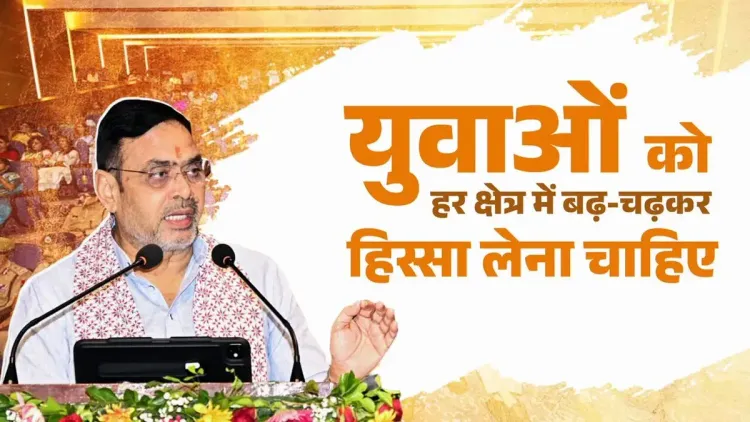
A nation's fight against drug abuse, Rajasthan Chief Minister Bhajan Lal Sharma argued on Sunday, 18 October 2026, will be won or lost in its classrooms, colleges, and streets — and only its young people can tip the balance. Sharma issued a direct call to youth across the country, urging them to make a drug-free India a lived reality by 2029.
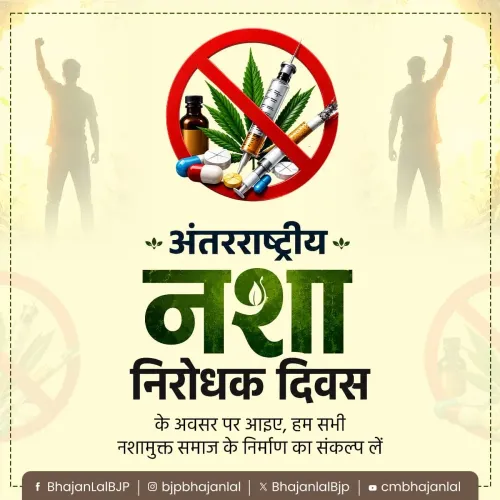
In his post, Sharma wrote: 'युवाओं की ऊर्जा, जागरूकता और सक्रिय भागीदारी नशामुक्त एवं सशक्त भारत के निर्माण में सबसे अहम है' — ('The energy, awareness, and active participation of youth is the most important element in building a drug-free and empowered India.'). He called on young Indians to step up and play a decisive role in fulfilling the resolve of a drug-free nation by the year 2029.
Nasha Mukt Bharat Abhiyan — Six Years and Still Running
The Nasha Mukt Bharat Abhiyan, launched on 15 August 2020 by the Union Ministry of Social Justice and Empowerment, is the national architecture behind this push. The campaign targets substance abuse through community outreach, counselling networks, and youth mobilisation — a three-pronged approach designed to reach deep into districts and neighbourhoods that anti-drug messaging has historically missed.
Six years in, the campaign has become a recurring fixture in the social-policy calendar of BJP-governed states. Chief ministers across the country have periodically amplified its messaging, framing youth engagement not merely as civic participation but as a national duty. Sharma's post fits squarely into that pattern — but its specific reference to a 2029 deadline gives it a sharper, more goal-oriented edge than routine awareness calls.
Why Rajasthan's Youth Are the Intended Audience
Rajasthan, with one of India's largest youth populations, carries significant weight in any national social campaign. Schools, colleges, and youth clubs across the state are natural implementation points for the Abhiyan's outreach arms. Sharma, who has been Chief Minister since December 2023, has consistently framed youth welfare and social empowerment as twin pillars of his administration's agenda.
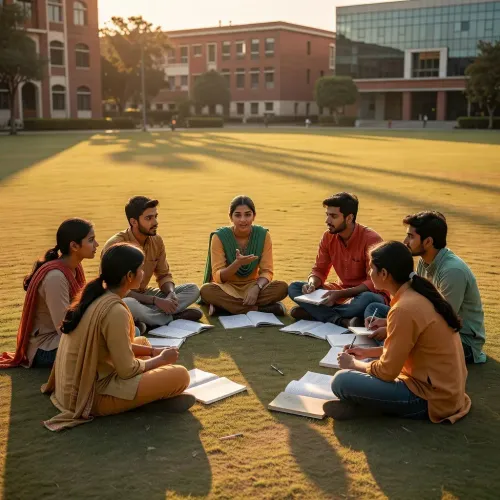
The call to action is deliberate in its framing: it is not addressed to officials or administrators, but directly to young people themselves — positioning them as agents of change rather than passive recipients of government programmes. That rhetorical shift, from beneficiary to participant, is central to how the Abhiyan has sought to sustain momentum beyond its launch phase.
Whether Rajasthan's schools and colleges translate this public call into structured youth programmes will be the real measure of intent. The pledge is loud and clear. The execution is where it counts.
Point of View
High-visibility signal of ideological alignment with Delhi's social agenda. The specific 2029 deadline adds temporal accountability to what might otherwise be a routine awareness call, raising the stakes for measurable follow-through. For BJP-governed Rajasthan, youth welfare messaging also serves a dual function: it addresses a genuine public-health concern while reinforcing the party's 'empowered India' brand among a demographic that will vote in the next state cycle. The key question is whether this rhetoric translates into funded, structured programmes at the district level.
NationPress
18 Oct 2026
Frequently Asked Questions
What is the Nasha Mukt Bharat Abhiyan?
The Nasha Mukt Bhiyan is a national anti-drug campaign launched on 15 August 2020 by India's Ministry of Social Justice and Empowerment, aimed at reducing substance abuse through outreach, counselling, and youth mobilisation.
What did Rajasthan CM Bhajan Lal Sharma say about the drug-free India campaign?
CM Bhajan Lal Sharma called the energy, awareness, and active participation of youth the most critical factor in building a drug-free and empowered India, urging them to work toward a drug-free nation by 2029.
What is the drug-free India 2029 target?
The 2029 target refers to a goal of making India drug-free by that year. CM Bhajan Lal Sharma referenced it in his 18 October 2026 post, though this specific deadline has not been independently verified from central government policy documents.
When did Bhajan Lal Sharma become Chief Minister of Rajasthan?
Bhajan Lal Sharma became Chief Minister of Rajasthan in December 2023 after the BJP won the state assembly elections.
How can youth participate in the Nasha Mukt Bharat Abhiyan?
Youth can participate through community outreach events, awareness programmes in schools and colleges, and counselling support initiatives organised under the Nasha Mukt Bharat Abhiyan by the Ministry of Social Justice and Empowerment.