CM Sai Leads Tree-Plantation Drive in Chhattisgarh
Synopsis
Chhattisgarh Chief Minister Vishnu Deo Sai joined a tree-plantation programme on 23 June 2026, live-streaming the event. The drive aligns with India's Van Mahotsav tradition and the state's forest-cover goals, with tribal and rural communities among the key beneficiaries.
Key Takeaways
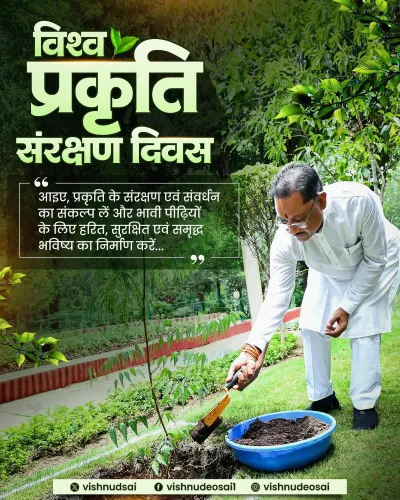
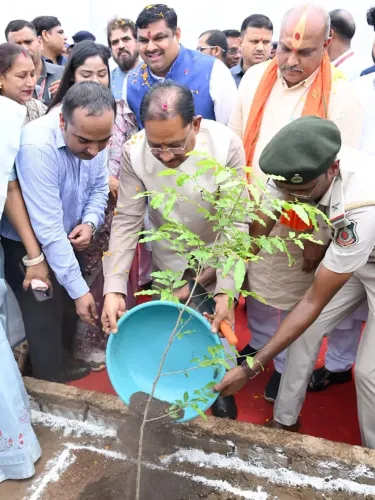
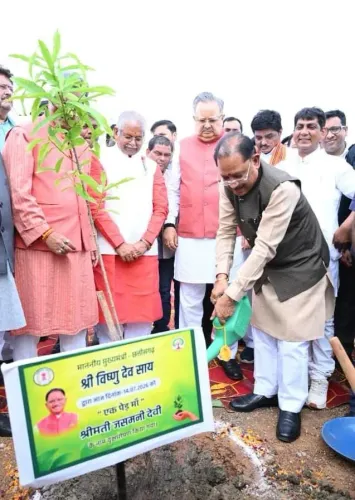
Chhattisgarh Chief Minister Vishnu Deo Sai participated in and broadcast a tree-plantation programme on 23 June 2026 .
Chhattisgarh has approximately 44 per cent forest cover, making it one of India's most forested states.
India's Van Mahotsav afforestation tradition dates to 1950 and underpins modern state-level plantation drives.
The monsoon season (June–August) is the optimal window for large-scale plantation due to soil moisture conditions.
Tribal and rural communities are the most direct beneficiaries of sustained green-cover expansion in the state.
Survival-rate monitoring in coming seasons will determine the long-term ecological impact of the drive.
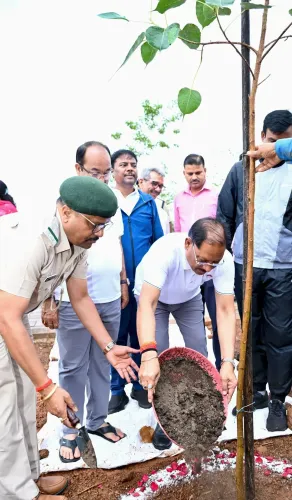
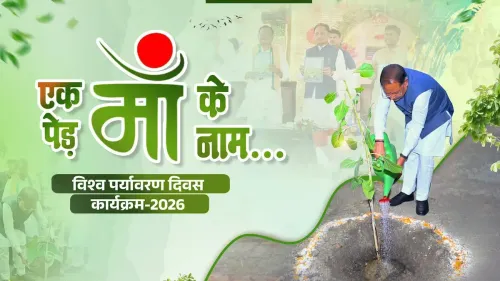
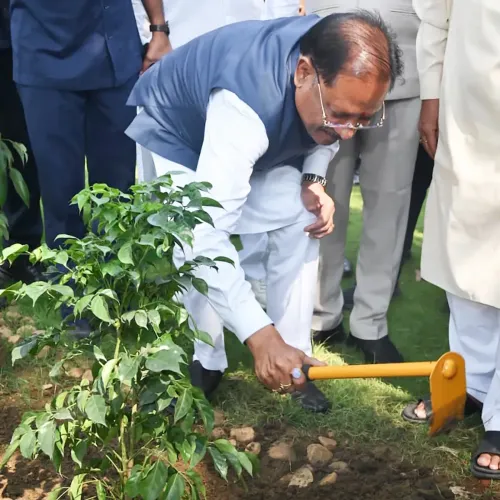
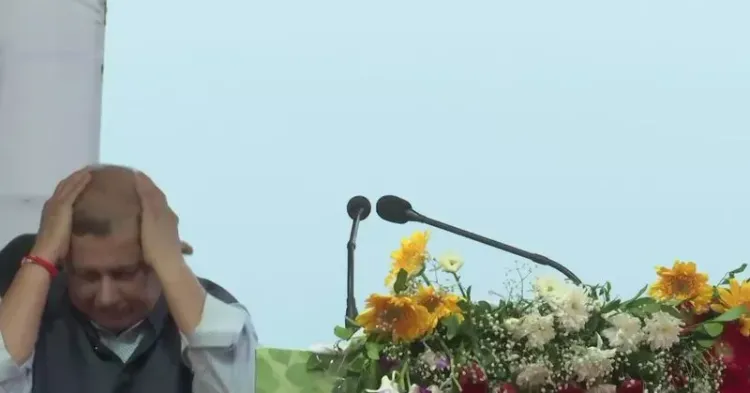
Chhattisgarh Chief Minister Vishnu Deo Sai participated in a tree-plantation programme on Tuesday, 23 June 2026, sharing a live broadcast of the event on his official social media handle. The initiative underscores the state government's commitment to expanding green cover across one of India's most forested states.
Context
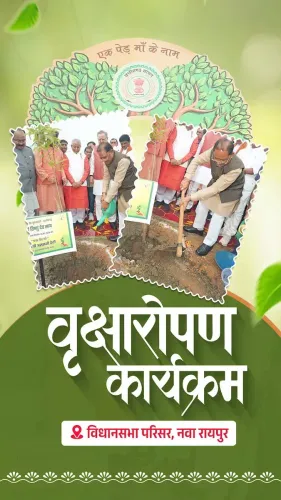
The Chief Minister posted about the vriksha ropan karyakram (tree-plantation programme), sharing a broadcast link that allowed citizens to follow the event in real time. Such public participation by a sitting chief minister signals institutional priority given to afforestation at the highest level of state government.
Chhattisgarh is home to some of the densest forest tracts in central India, covering roughly 44 per cent of the state's geographical area. The state's large tribal and rural population depends directly on forest ecosystems for livelihood, water security, and cultural sustenance.
Policy Backdrop
India's tradition of organised tree-plantation campaigns dates to the Van Mahotsav festival, launched nationally in 1950 to promote afforestation and counter deforestation pressures. Decades later, the practice has evolved into state-level seasonal drives that feed into national forest-cover targets and international climate commitments.
Indian states are expected to contribute to the country's nationally determined contributions under global climate frameworks, which include ambitious goals for additional carbon sink creation through forests and tree cover. Plantation drives conducted during the monsoon season — when soil moisture aids sapling survival — are a standard tool in meeting these targets.
Chhattisgarh governments have historically aligned seasonal plantation campaigns with centrally sponsored forestry missions, channelling resources toward both commercial timber species and ecologically significant native varieties.
Stakeholders and Impact
Tribal communities and rural residents across Chhattisgarh stand as the most immediate beneficiaries of sustained plantation efforts, which can stabilise watersheds, reduce soil erosion, and supplement forest-produce incomes. Biodiversity conservation in the state's corridors — home to wildlife including tigers and elephants — also depends on consistent green-cover expansion.
Urban and peri-urban residents benefit indirectly through improved air quality and reduced heat-island effects as plantation programmes extend to roadsides, public institutions, and degraded land parcels. The live-broadcast format of Tuesday's event also signals an effort to engage citizens directly and encourage community-level participation in plantation activities.
What's Next
The monsoon window between June and August is the critical period for large-scale plantation in central India, and state agencies are expected to ramp up drives across districts in the weeks ahead. Observers will watch for official reporting on the number of saplings planted, species diversity, and — crucially — survival-rate monitoring in subsequent seasons, which determines the real ecological value of such programmes.
Integration with central forestry missions and community forest-rights frameworks will shape how effectively Tuesday's initiative translates into lasting green cover for Chhattisgarh.
Point of View
Reflecting a broader trend of governance-by-visibility among state leaders. The real test, however, will lie in post-monsoon survival audits and whether the drive feeds measurably into national forest-cover data.
NationPress
22 Sept 2026
Frequently Asked Questions
What is the tree-plantation programme CM Vishnu Deo Sai participated in?
Chief Minister Vishnu Deo Sai participated in a vriksha ropan karyakram (tree-plantation programme) on 23 June 2026 in Chhattisgarh, which he also broadcast live on social media to encourage public participation.
Why does Chhattisgarh conduct tree-plantation drives?
Chhattisgarh conducts plantation drives to expand and maintain its significant forest cover, support tribal and rural livelihoods that depend on forests, and contribute to India's national and international climate commitments.
What is Van Mahotsav and how is it related to this drive?
Van Mahotsav is India's national tree-planting festival, observed since 1950. State-level plantation drives like the one in Chhattisgarh are part of this broader tradition of seasonal afforestation campaigns conducted during the monsoon.
How much of Chhattisgarh is covered by forests?
Forests cover approximately 44 per cent of Chhattisgarh's geographical area, making it one of the most forested states in India and giving plantation and conservation efforts particular significance there.
Who benefits from Chhattisgarh's afforestation programmes?
Tribal communities and rural residents benefit most directly through watershed stability, reduced soil erosion, and supplementary forest-produce income. Urban residents gain indirectly through improved air quality, and biodiversity — including wildlife corridors — also benefits.