CM Sai launches Chhattisgarh Pavilion at BRE Summit 2026
Synopsis
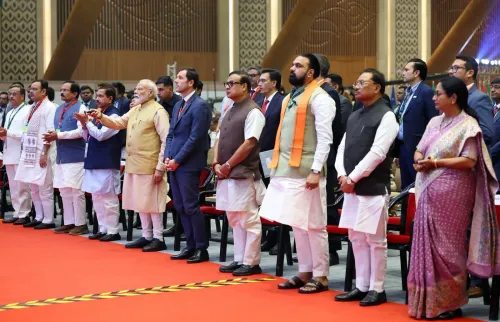
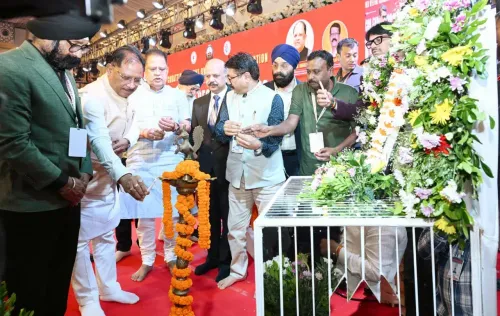
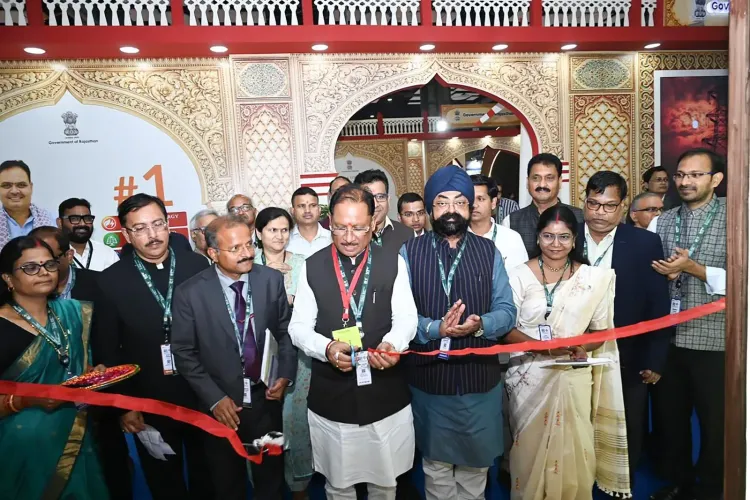
Chhattisgarh Chief Minister Vishnu Deo Sai inaugurated the state's pavilion at the Bharat Renewable Energy Summit and Expo 2026 at Bharat Mandapam, New Delhi, on 2 November, showcasing the state's green energy projects and investment potential to domestic and global investors.
Key Takeaways
Chhattisgarh Pavilion inaugurated by CM Vishnu Deo Sai at the Bharat Renewable Energy Summit and Expo 2026 on 2 November 2026 .
The summit runs from 2 to 5 November at Bharat Mandapam, New Delhi .
The pavilion showcases Chhattisgarh's renewable energy capacity, green energy projects, and investment opportunities.
CM Sai linked the initiative to India's national energy self-reliance goal and the broader push for 500 GW of non-fossil fuel capacity by 2030 .
The state expects the summit to catalyse investment, industrial development, and job creation in the renewables sector.
Chhattisgarh is actively shifting its identity from a coal-dependent state toward a green energy destination.
A coal-rich state stepped onto a green stage on Monday, 2 November 2026, as Chhattisgarh Chief Minister Vishnu Deo Sai inaugurated the Chhattisgarh Pavilion at the Bharat Renewable Energy Summit and Expo 2026 in New Delhi — signalling the state's deliberate pivot from its fossil-fuel past toward a clean-energy future.
The four-day summit, running from 2 to 5 November at Bharat Mandapam, is one of India's premier platforms for showcasing renewable energy capacity and attracting domestic and foreign investment. Chhattisgarh's pavilion highlights the state's green energy projects, its renewable energy potential, and the investment opportunities available to developers and investors eyeing the sector.
From Coal Belt to Green Corridor
Chhattisgarh has long been identified with coal — it sits atop some of India's largest reserves and is a major contributor to the country's thermal power supply. That identity is now being deliberately rewritten. By mounting a dedicated presence at a national renewables expo, the state government is sending a clear signal to the market: the energy mix is changing, and Chhattisgarh intends to be part of the transition, not left behind by it.
Chief Minister Sai, posting on X, said the summit is 'ऊर्जा आत्मनिर्भरता के राष्ट्रीय संकल्प को नई मजबूती' — 'a fresh strengthening of the national resolve toward energy self-reliance.' He added that the pavilion and the wider summit would generate new opportunities for investment, industrial development, and employment in the state.
India's 500 GW Deadline and What Chhattisgarh Stands to Gain
The backdrop is urgent. India committed at COP26 in 2021 to achieve 500 GW of non-fossil fuel energy capacity by 2030 — a target that requires every major state to pull its weight. For Chhattisgarh, participation in summits like this is not ceremonial: it is a direct bid to attract solar, wind, and green hydrogen developers who need land, grid connectivity, and state-level policy support.
States across India have increasingly used national renewable energy events as investor-facing showcases, competing to offer the most attractive project pipelines. Chhattisgarh's pavilion positions the state as a viable destination for that capital — and the follow-through in the form of MoUs or investment commitments in the days after the summit will be the real measure of success.
Investment, Jobs, and the Road to Raipur
CM Sai's message frames the summit's value in three concrete outcomes: investment inflows, industrial development, and new employment for Chhattisgarh. The state, which has historically relied on mining and thermal power for its industrial base, is now courting a new class of clean-energy developer — one that brings long-term project revenues and a workforce with different skills.
For a state government seeking to diversify its economic base and align with national energy policy, the BRE Summit is both a showcase and a negotiating room. Whether that room produces binding commitments will become clear once the pavilion lights go dark on 5 November.
The only number that will matter when the summit closes is how many gigawatts Chhattisgarh can actually put under agreement — and whether India's coal heartland can write a genuinely green next chapter.
Point of View
The optics align with the BJP-led central government's 500 GW clean energy target and the broader Aatmanirbhar Bharat framework, making state-level participation a way to demonstrate ideological coherence as much as economic ambition. The real test will come from tangible MoUs and investment commitments — without those, the pavilion risks reading as symbolism rather than strategy. Still, the act of showing up at the national table signals that Chhattisgarh understands the direction of travel and wants to negotiate its place in India's energy transition before the window narrows.
NationPress
3 Nov 2026
Frequently Asked Questions
What is the Bharat Renewable Energy Summit and Expo 2026?
The Bharat Renewable Energy Summit and Expo 2026 is a national platform held at Bharat Mandapam in New Delhi from 2 to 5 November 2026, designed to showcase India's renewable energy capacity and connect investors with green energy opportunities across states.
Why did CM Vishnu Deo Sai inaugurate the Chhattisgarh Pavilion at the BRE Summit?
CM Vishnu Deo Sai inaugurated the pavilion to showcase Chhattisgarh's renewable energy potential and investment opportunities to domestic and global investors, and to align the state with India's national goal of 500 GW non-fossil fuel capacity by 2030.
What does Chhattisgarh's pavilion at the BRE Summit display?
The Chhattisgarh Pavilion displays the state's renewable energy capacity, ongoing green energy projects, and the investment opportunities available in the sector for domestic and foreign investors.
Is Chhattisgarh shifting from coal to renewable energy?
Yes. Chhattisgarh, traditionally a major coal-producing and thermal power state, is actively promoting its renewable energy potential and seeking investment in solar, wind, and other green energy sectors as part of India's broader energy transition.
What is India's renewable energy target by 2030?
India committed at COP26 in 2021 to achieve 500 GW of non-fossil fuel energy capacity by 2030. States like Chhattisgarh are participating in national summits to attract investment and contribute to this target.