CM Sai Launches Chhattisgarh's First Shuttle-Tech Car Park in Bilaspur
Synopsis
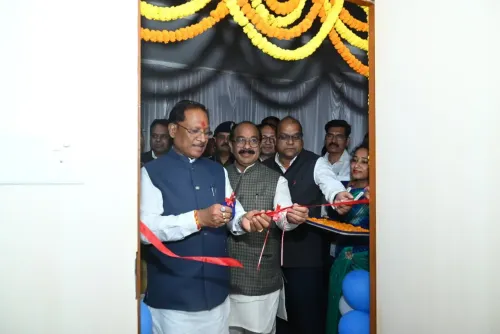
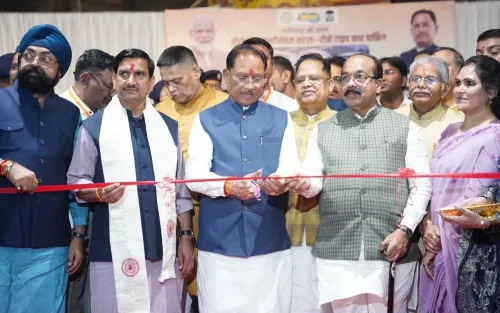
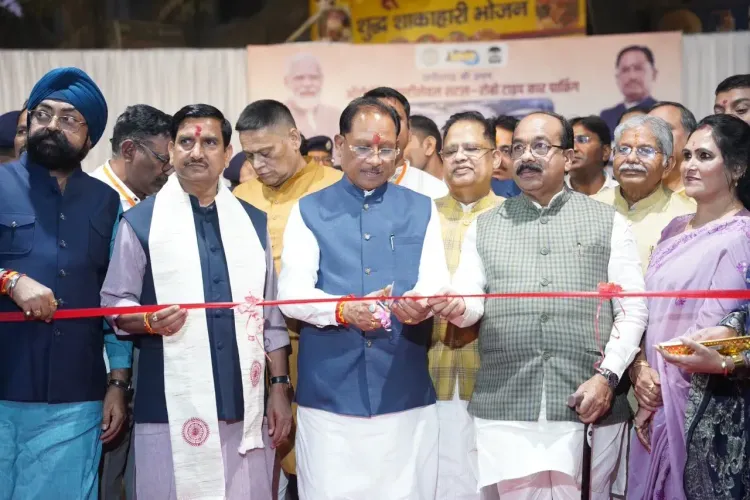
Chief Minister Vishnu Deo Sai inaugurated Chhattisgarh's first shuttle-technology-based automated multilevel car parking at Bilaspur's Old Bus Stand on 16 November 2026. Built by Bilaspur Smart City Limited for Rs 12.60 crore, the 80-car facility marks a significant step in the state's Smart Cities Mission-backed urban modernisation drive.
Key Takeaways
Chhattisgarh's first shuttle-technology-based automated multilevel car parking was inaugurated on 16 November 2026 .
Located at the Old Bus Stand complex, Bilaspur , the facility was built by Bilaspur Smart City Limited .
Project cost: approximately Rs 12 crore 60 lakh (Rs 12.60 crore).
The facility can accommodate 80 cars simultaneously using shuttle-based automated stacking technology.
CM Vishnu Deo Sai described modernising state cities as a top government priority amid rapid urbanisation.
The project is part of the national Smart Cities Mission (launched 2015), under which Bilaspur is a selected city.
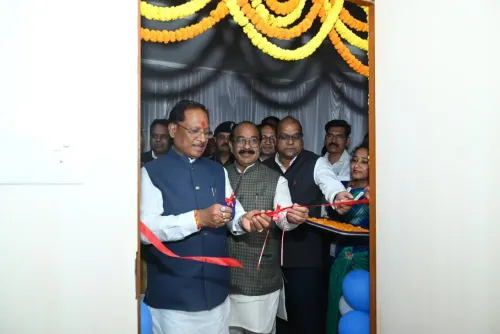
A parking lot just became a statement of intent. Chief Minister Vishnu Deo Sai on Monday, 16 November 2026, inaugurated Chhattisgarh's first shuttle-technology-based automated multilevel car parking facility at the Old Bus Stand complex in Bilaspur — a Rs 12.60 crore structure that can park 80 cars simultaneously and signals the state's clearest move yet toward technology-driven urban infrastructure.
What shuttle technology means for Bilaspur's streets
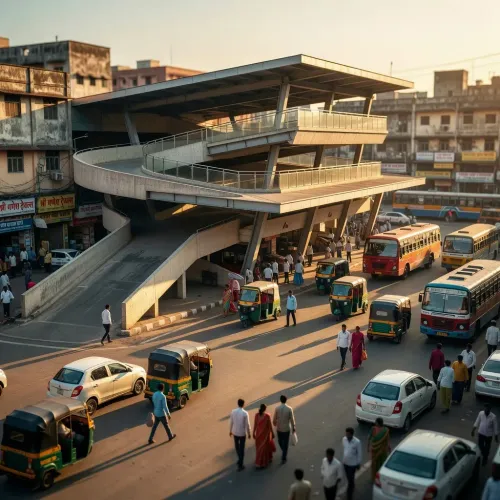
Unlike conventional multistorey parking, shuttle-based automated systems use mechanical platforms and horizontal shuttles to stack and retrieve vehicles without a human driver navigating ramps. The result: a significantly smaller footprint, faster turnaround, and no exhaust fumes drifting through spiralling concrete levels. For a congested commercial node like the Old Bus Stand area in Bilaspur, that is a material difference — not just a ribbon-cutting photo opportunity.
The facility was developed by Bilaspur Smart City Limited, the special purpose vehicle executing Smart City projects in the city. Bilaspur is one of the urban centres selected under the central government's Smart Cities Mission, launched in 2015, which channels funds into technology-led infrastructure across 100 cities nationwide.
CM Sai's urban modernisation pitch
Speaking at the inauguration, CM Sai framed the project as a core government priority: 'Pradesh ke shahron ko aadhunik, suvyavasthit aur nagrik suvidhaon se paripurn banana rajya sarkar ki prathamikta hai' — 'Making the state's cities modern, well-organised, and full of civic amenities is the priority of the state government.' He added that the challenges of traffic management and parking that come with rapid urbanisation are being tackled through modern technology.
The sentiment is backed by numbers on the ground. Chhattisgarh has been urbanising quickly, and cities like Bilaspur, Raipur, and Raigarh have seen vehicle density outpace the infrastructure inherited from earlier decades. A single 80-car automated bay will not solve that alone — but it establishes a replicable model the state can now point to.
The Smart Cities Mission arc — and what Bilaspur just proved
India's Smart Cities Mission has had an uneven track record nationally, with many projects delayed or stalled at planning stages. Bilaspur's automated parking facility is a completed, operational deliverable — which matters more than any brochure rendering. It demonstrates that a Tier-2 city in central India can execute a technically complex urban mobility project, not just announce one.
The broader question now is replication. Chhattisgarh has other Smart City Mission towns, and the state government's framing of this launch as a template for 'modern civic amenities' suggests the political appetite exists to push similar projects elsewhere. Whether budget allocations follow that appetite will be the real test.
Bilaspur's Old Bus Stand now carries a multilevel answer to a very old urban problem. The state just raised its own bar.
Point of View
Functional urban asset ahead of likely municipal cycles, countering criticism that Smart City Mission money has underdelivered in smaller states. Chief Minister Sai's emphasis on technology-led civic modernisation aligns with the broader BJP governance narrative of 'viksit' (developed) cities, giving the state a local proof-point it can replicate on the campaign trail. For the Smart Cities Mission itself — a programme that has faced questions about on-ground outcomes — a completed, operational Tier-2 city project is a rare, tangible win. The key political variable going forward is whether the state treasury and Smart City SPVs can sustain capital outlay for similar projects in other mission cities, or whether Bilaspur remains a showcase rather than a template.
NationPress
16 Nov 2026
Frequently Asked Questions
What is the shuttle-technology-based automated multilevel car parking in Bilaspur?
It is Chhattisgarh's first automated multilevel car parking facility using shuttle technology — a mechanical system that stacks and retrieves vehicles without drivers navigating ramps — inaugurated at Bilaspur's Old Bus Stand complex on 16 November 2026 at a cost of Rs 12.60 crore, with capacity for 80 cars.
Who inaugurated the Bilaspur multilevel car parking?
Chief Minister Vishnu Deo Sai inaugurated the facility on 16 November 2026 at the Old Bus Stand complex in Bilaspur, Chhattisgarh.
How much did the Bilaspur Smart City automated parking cost?
The project was developed by Bilaspur Smart City Limited at a cost of approximately Rs 12 crore 60 lakh (Rs 12.60 crore).
What is the Smart Cities Mission and how is Bilaspur connected to it?
The Smart Cities Mission is a central government programme launched in 2015 to develop 100 Indian cities with technology-driven infrastructure. Bilaspur is one of the selected cities, and its Smart City Limited SPV executed the automated parking project.
Will other Chhattisgarh cities get similar automated parking facilities?
CM Sai's inauguration speech framed the project as a model for modernising state cities, suggesting the government intends to replicate it. However, no specific announcements for other cities have been made as yet.