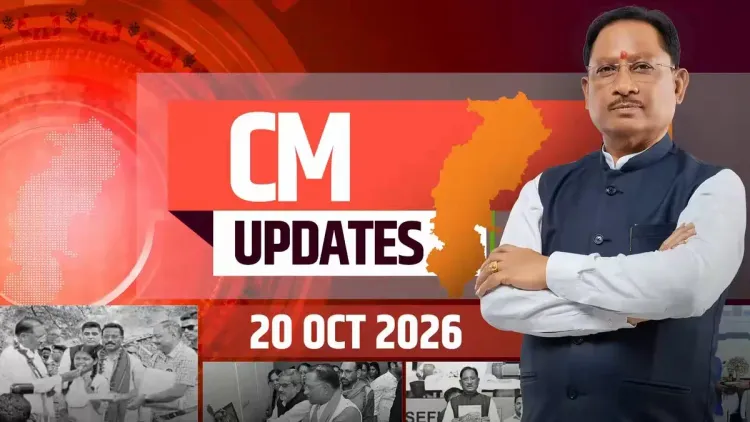
CM Vishnu Deo Sai Flags New Rail Services and Projects in Chhattisgarh
Synopsis
Chhattisgarh CM Vishnu Deo Sai on 20 October 2026 announced the launch of new rail services and railway projects in the state, underscoring the government's push to boost connectivity in one of India's most mineral-rich regions.
Key Takeaways
CM Vishnu Deo Sai announced the inauguration of new rail services and railway projects in Chhattisgarh on 20 October 2026 .
The announcement was tagged #RailInfra4Chhattisgarh , signalling a coordinated branding of the state's rail push.
Indian Railways had sanctioned multiple new lines and doubling projects in Chhattisgarh prior to 2023 to improve freight and passenger connectivity.
Chhattisgarh's mineral wealth — coal, iron ore, bauxite — makes rail logistics a strategic economic priority beyond ordinary commuter needs.
The state's key rail hubs include Raipur and Bilaspur , both critical nodes in central India's freight network.
Further details on specific routes, timelines, and funding are expected in subsequent state or railway budget communications.
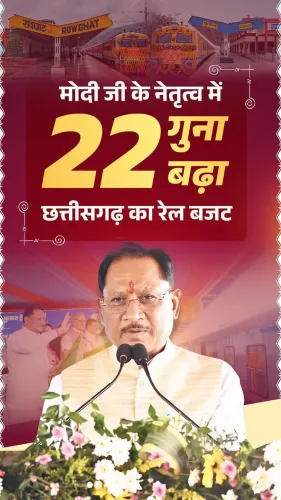
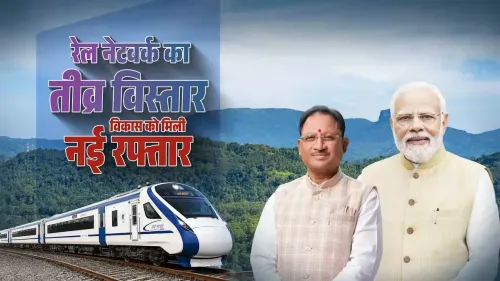
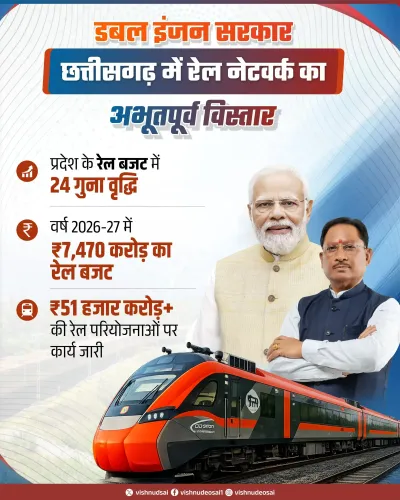
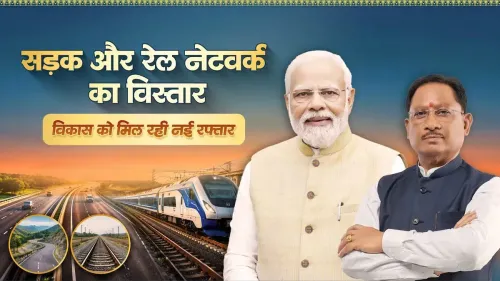
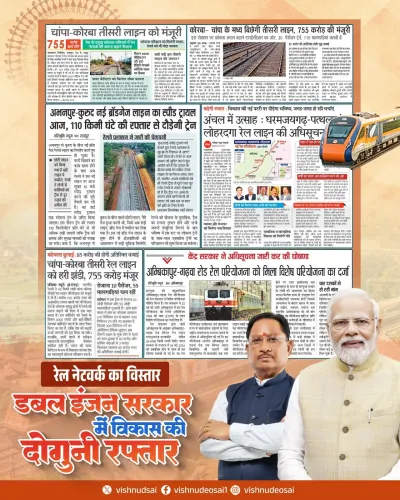
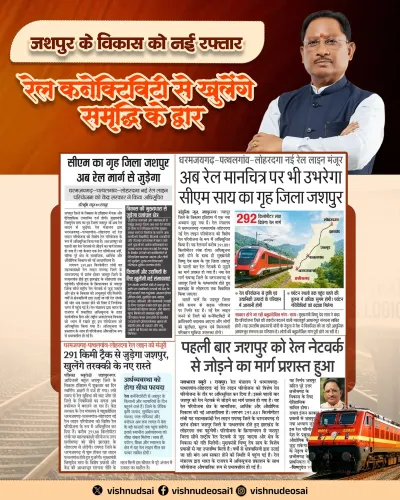
Rail infrastructure in Chhattisgarh moved to centre stage on Tuesday, 20 October 2026, as Chhattisgarh Chief Minister Vishnu Deo Sai announced the launch of new rail services and railway projects in the state — a signal that connectivity ambitions in one of India's most mineral-rich regions are picking up pace.
New trains and projects roll in for Chhattisgarh
In his update posted on X, CM Sai highlighted the inauguration of new rail services alongside significant railway infrastructure projects under the tag #RailInfra4Chhattisgarh. The announcement, described as among the day's most important developments, positions rail expansion as a headline priority for the state government. Specific routes and project names were not detailed in the post, but the framing points to coordinated action between the state and Indian Railways.
Chhattisgarh has long been a logistical pressure point for the national rail network. The state sits atop vast deposits of coal, iron ore, and bauxite, making freight throughput as critical as passenger connectivity. New lines and service additions here carry consequences well beyond commuter convenience — they feed into industrial supply chains that stretch across central and eastern India.
The rail push Chhattisgarh has been waiting for
In the years leading up to CM Sai's tenure — which began in December 2023 — Indian Railways had already sanctioned multiple line-doubling and new-route projects in the state to ease freight bottlenecks and extend reach to underserved districts. Those sanctioned plans needed state-level coordination to accelerate. Today's announcement suggests that pipeline is now moving toward commissioning.
The broader national pattern is clear: the central government has consistently prioritised rail capacity addition in mineral-rich states under its infrastructure expansion programmes, treating freight logistics as an economic multiplier. Chhattisgarh, straddling major coal corridors, stands to gain disproportionately from every kilometre of new track or upgraded line.
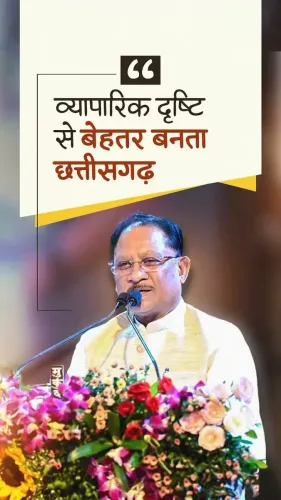
For the state's residents — from daily commuters in Raipur and Bilaspur to farmers and traders in interior districts — improved rail access translates into lower freight costs, faster travel, and stronger market links. The mining and industrial sector watches these milestones just as closely, mapping each new service against their own logistics calendars.
Chhattisgarh's rail story is no longer just about what's been sanctioned on paper — the tracks, it appears, are finally being laid.
Point of View
Who took office in December 2023 inheriting a backlog of sanctioned but stalled projects, commissioning new rail services sends a strong signal of administrative momentum ahead of future electoral cycles. Chhattisgarh's mineral corridor makes every new line a dual win — political optics and genuine economic utility. The real test will be whether today's launch marks a single milestone or the opening of a sustained commissioning calendar.
NationPress
20 Oct 2026
Frequently Asked Questions
What new rail services were launched in Chhattisgarh in October 2026?
CM Vishnu Deo Sai announced the launch of new rail services and railway infrastructure projects in Chhattisgarh on 20 October 2026, though the specific routes and project names were not detailed in the public announcement.
Who is Vishnu Deo Sai?
Vishnu Deo Sai is a BJP leader who has served as Chief Minister of Chhattisgarh since December 2023.
Why is rail infrastructure important for Chhattisgarh?
Chhattisgarh is rich in coal, iron ore, and bauxite, making rail connectivity critical for both freight logistics to support the mining and industrial sector and passenger connectivity for residents across the state.
What is the status of Indian Railways projects in Chhattisgarh?
Indian Railways had sanctioned multiple new line and line-doubling projects in Chhattisgarh in the years before 2023, aimed at easing freight bottlenecks and extending rail reach to underserved districts.
Which are the main railway hubs in Chhattisgarh?
Raipur and Bilaspur are the two main railway hubs in Chhattisgarh and serve as critical nodes in central India's broader freight and passenger rail network.