CM Sai Launches Surabhi Gaudham Yojana in Chhattisgarh
Synopsis
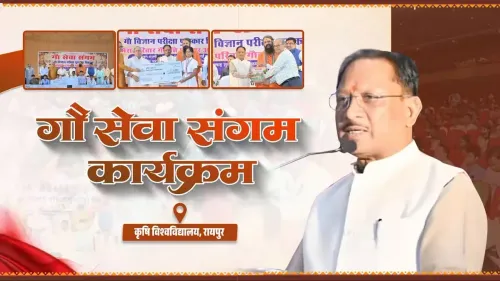
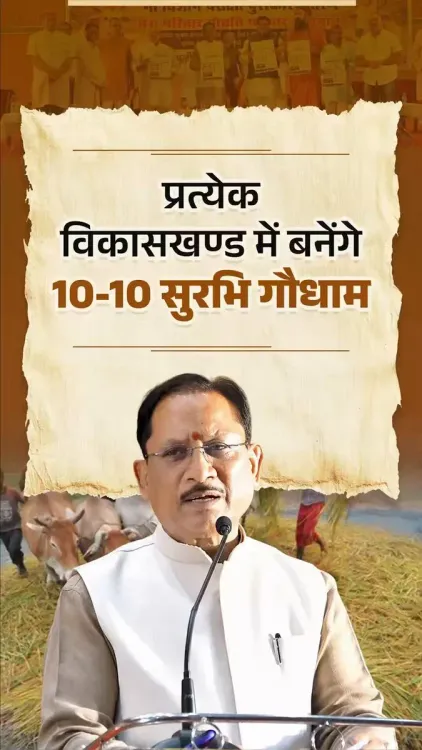
Chhattisgarh Chief Minister Vishnu Deo Sai announced the Surabhi Gaudham Yojana at a Gau Seva Sangam event in Raipur on 20 July 2026, committing to establish 10 cow shelters in every development block of the state to advance cow conservation and strengthen rural livelihoods.
Key Takeaways
The Surabhi Gaudham Yojana was launched by the Chhattisgarh government on 20 July 2026 .
10 Surabhi Gaudhams will be set up in each development block across the state.
The scheme aims to promote cow conservation (gau-samvardhan) and strengthen rural livelihoods .
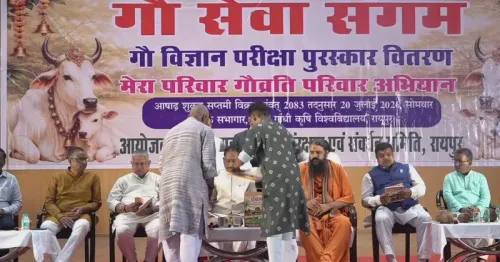
The announcement was made by CM Vishnu Deo Sai at the Gau Seva Sangam programme at IGKV, Raipur .
The scheme complements the central government's Rashtriya Gokul Mission for indigenous cattle development.
Key beneficiaries include rural livestock keepers, small and marginal farmers , and village panchayats .
The Chief Minister's Office of Chhattisgarh announced on Monday, 20 July 2026 that the state government has launched the Surabhi Gaudham Yojana, a new scheme aimed at establishing dedicated cow shelters across every development block in the state to strengthen animal husbandry and rural livelihoods.
Context
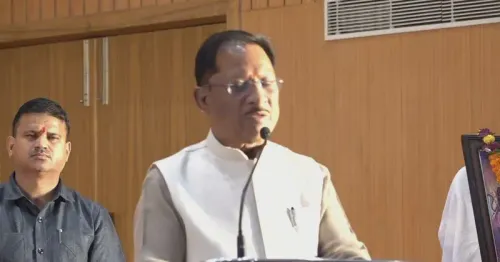
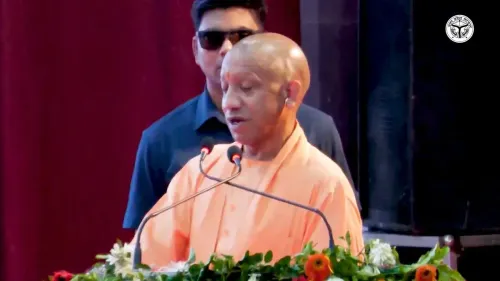
Chief Minister Vishnu Deo Sai made the announcement at the Gau Seva Sangam programme held at the Krishak Sabhaagar, Indira Gandhi Krishi Vishwavidyalaya (IGKV), Jora, Raipur. Speaking at the event, he stated: 'The Chhattisgarh government has launched the Surabhi Gaudham Yojana to give a new direction to animal husbandry in the state.' Under the scheme, 10 Surabhi Gaudhams will be established in each development block of the state, with the twin objectives of promoting cow conservation and providing stronger livelihood support to rural communities.
Policy Backdrop
The scheme builds on a broader policy lineage rooted in the Rashtriya Gokul Mission, the central government programme launched in 2014 for the conservation and development of indigenous cattle breeds and the modernisation of dairy infrastructure across India. Following the 2023 Chhattisgarh assembly elections, the BJP-led state government under CM Sai, who assumed office in December 2023, has consistently prioritised rural livelihood schemes that integrate animal husbandry with agriculture. The Surabhi Gaudham Yojana fits a pattern seen in other BJP-governed states such as Madhya Pradesh and Rajasthan, where the development block has been used as the primary unit of delivery for gaushala infrastructure tied to economic outcomes.
Stakeholders and Impact
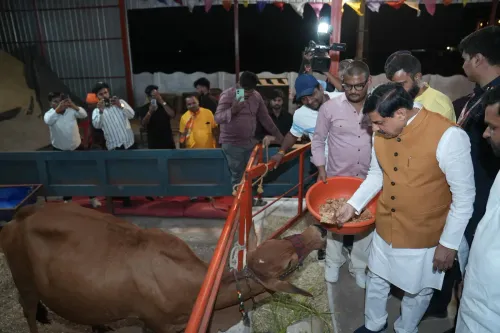
The scheme directly targets rural livestock keepers, small and marginal farmers, and village panchayats across Chhattisgarh. By anchoring each Gaudham at the development-block level, the government aims to ensure geographic spread and last-mile reach, particularly in the state's predominantly agrarian and tribal hinterland. Beyond cow conservation — which carries cultural and religious significance — the shelters are expected to generate supplementary income through dairy produce and organic inputs such as vermicompost and biogas, linking animal husbandry to farm productivity.
What's Next
Observers will watch for concrete rollout details, including site selection timelines, funding allocations, and potential MoUs with Indira Gandhi Krishi Vishwavidyalaya and dairy cooperatives to support the scheme's technical and market linkages. Any supplementary budget provision or legislative backing in the upcoming assembly session would signal the administration's fiscal commitment to scaling the initiative. If implemented at the pace signalled, the Surabhi Gaudham Yojana could reshape the state's rural dairy ecosystem and serve as a model for allied livestock programmes across central India.
Point of View
The administration signals a preference for decentralised, ground-level implementation over centralised mega-shelters, which have faced management challenges elsewhere. The scheme's long-term credibility will hinge on whether funding, staffing, and market linkages for dairy and organic inputs materialise at scale. It also positions the state to absorb central funds under the Rashtriya Gokul Mission more effectively, strengthening the case for larger allocations in subsequent union budgets.
NationPress
21 Jul 2026
Frequently Asked Questions
What is the Surabhi Gaudham Yojana in Chhattisgarh?
The Surabhi Gaudham Yojana is a state government scheme launched on 20 July 2026 that plans to establish 10 cow shelters (gaudhams) in every development block of Chhattisgarh to promote cow conservation and support rural livelihoods through animal husbandry.
Who announced the Surabhi Gaudham Yojana?
Chief Minister Vishnu Deo Sai announced the scheme at the Gau Seva Sangam programme held at Krishak Sabhaagar, Indira Gandhi Krishi Vishwavidyalaya, Jora, Raipur.
How many gaudhams will be set up under this scheme?
The scheme proposes 10 Surabhi Gaudhams per development block across Chhattisgarh; the exact total will depend on the number of development blocks covered in the rollout.
How does the Surabhi Gaudham Yojana benefit farmers?
The scheme is designed to provide rural livestock keepers and small farmers with organised cow shelters that can generate supplementary income through dairy produce and organic inputs, strengthening their overall livelihood base.
Is the Surabhi Gaudham Yojana linked to any central government programme?
The scheme aligns with the central government's Rashtriya Gokul Mission, launched in 2014 for conservation and development of indigenous cattle breeds, and is expected to complement its funding and technical support at the state level.