CM Yogi: UP's 7,700+ Gaushalas Now Shelter Over 14 Lakh Cattle
Synopsis
Chief Minister Yogi Adityanath has said more than 14 lakh cattle are now protected across 7,700+ gaushalas in Uttar Pradesh, with the state government managing their care — marking a significant scale-up of the state's cow-shelter network since 2017.
Key Takeaways
CM Yogi Adityanath stated that over 14 lakh cattle are currently sheltered in Uttar Pradesh as of 18 June 2026 .
The state operates more than 7,700 gaushalas , making it one of the largest state-run cattle shelter networks in India.
The Government of Uttar Pradesh funds and oversees shelter operations including fodder supply and veterinary care.
A dedicated gaushala development scheme was launched in 2018-19 , providing grants for construction and animal maintenance.
Dairy farmers, rural livestock keepers, and urban local bodies are among the key beneficiaries of the programme.
Future budget allocations and cattle transport regulations are the next policy markers to watch.
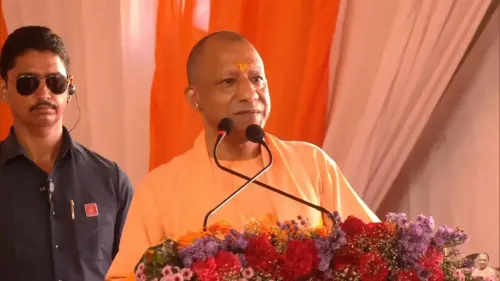
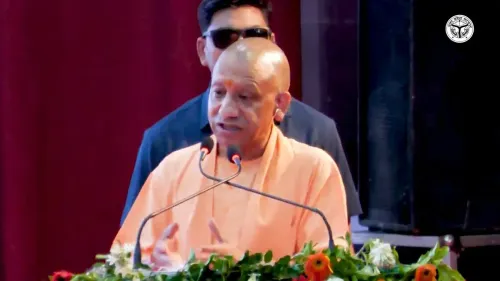
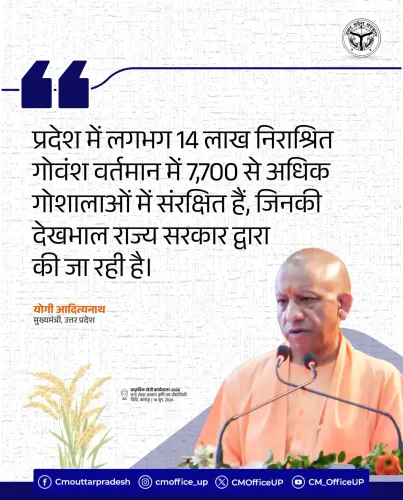
The Chief Minister's Office of Uttar Pradesh on Thursday, 18 June 2026 shared a statement from Chief Minister Yogi Adityanath expressing satisfaction that more than 14 lakh cattle are currently sheltered and cared for across over 7,700 gaushalas in the state, with the Uttar Pradesh government overseeing their upkeep.
Context
In the post, CM Yogi Adityanath stated — 'मुझे प्रसन्नता है कि आज प्रदेश की 7,700+ गोशालाओं में 14 लाख से अधिक गोवंश संरक्षित हैं' ['I am pleased that today more than 14 lakh cattle are protected in 7,700+ gaushalas of the state'] — adding that the state government is actively caring for them. The remark underscores the administration's framing of gaushala expansion as both an animal welfare achievement and a governance priority.
Uttar Pradesh operates one of the largest state-supported cattle shelter networks in India. Gaushalas house stray, abandoned, and unproductive cattle, addressing concerns from both urban municipalities dealing with stray animals and rural farming communities.
Policy Backdrop
Since CM Yogi Adityanath assumed office in 2017, the Government of Uttar Pradesh has significantly intensified enforcement of the 1955 Cow Slaughter Prevention Act alongside a systematic drive to register and fund gaushalas across all districts. A dedicated gaushala development scheme launched in 2018-19 provided state grants covering construction costs, fodder supply, and veterinary care.
The expansion reflects a broader approach that blends animal welfare objectives with cultural policy and rural employment, a model that BJP-led state governments have pursued across multiple states, with Uttar Pradesh scaling it furthest. The state-recognised shelters also serve as an absorptive mechanism for stray cattle from rapidly urbanising areas.
Stakeholders and Impact
Dairy farmers and rural livestock keepers are among the primary stakeholders, as gaushalas reduce the burden of maintaining unproductive cattle on individual households. Urban local bodies benefit from reduced stray-cattle incidents on roads and agricultural land.
The shelters also generate ancillary rural employment in fodder procurement, veterinary services, and daily animal management — a dimension the state government has highlighted in its welfare narrative. With over 14 lakh animals under state care, the recurring expenditure on fodder and veterinary services represents a substantial and growing line item in the state budget.
What's Next
Attention will now turn to the next Uttar Pradesh state budget and whether allocations for gaushala maintenance keep pace with the growing cattle population under state care. Any new rules on cattle transport or stray-animal management could further shape the network's scale.
The government's ability to sustain quality of care — fodder adequacy, veterinary staffing, and shelter infrastructure — across more than 7,700 facilities will be a key measure of whether the programme's quantitative growth translates into durable animal welfare outcomes.
Point of View
Cultural identity, and rural policy. The scale cited, over 14 lakh cattle across 7,700+ shelters, positions Uttar Pradesh as the national benchmark for state-run cattle protection, reinforcing a policy arc the administration has built consistently since 2017. The announcement also pre-empts scrutiny over stray-cattle incidents that have periodically drawn criticism from farming communities, framing the state's response as systemic rather than reactive. Sustaining this network financially and operationally will be the real test as the cattle population under state care continues to grow.
NationPress
19 Sept 2026
Frequently Asked Questions
How many gaushalas are there in Uttar Pradesh in 2026?
According to a statement by CM Yogi Adityanath shared on 18 June 2026, Uttar Pradesh has more than 7,700 state-supported gaushalas.
How many cattle are sheltered in UP gaushalas?
CM Yogi Adityanath stated that over 14 lakh cattle are currently protected and cared for across gaushalas in Uttar Pradesh.
What is the UP government's gaushala scheme?
The Uttar Pradesh government runs a gaushala development scheme, launched in 2018-19, that provides state grants for shelter construction, fodder, and veterinary care for stray and unproductive cattle.
Why does UP have so many gaushalas?
The Yogi Adityanath government has systematically expanded gaushalas since 2017 as part of its cow protection policy, which blends animal welfare, cultural priorities, and rural employment objectives.
Who funds gaushalas in Uttar Pradesh?
The Government of Uttar Pradesh funds and oversees gaushala operations through state budget allocations, covering fodder supply, construction, and veterinary services.