CM Yogi: UP shelters 14 lakh stray cattle in 7,700+ goshalas
Synopsis
The Yogi Adityanath government in Uttar Pradesh is sheltering approximately 14 lakh destitute cattle across more than 7,700 goshalas, the Chief Minister's Office announced on 18 June 2026, highlighting the state's expanding animal welfare infrastructure.
Key Takeaways
The Uttar Pradesh government is currently sheltering approximately 14 lakh destitute cattle in state-managed facilities.
More than 7,700 goshalas are operational across the state, according to CM Yogi Adityanath .
The goshala network was systematically expanded after the 2017 state assembly elections under the Yogi administration.
The programme aims to reduce human-animal conflict , including crop damage and road accidents caused by stray cattle.
State budget allocations and per-animal maintenance grants for the shelter network remain under legislative scrutiny.
Similar cattle shelter initiatives have been pursued in other BJP-governed states , often with dedicated district-level implementation bodies.
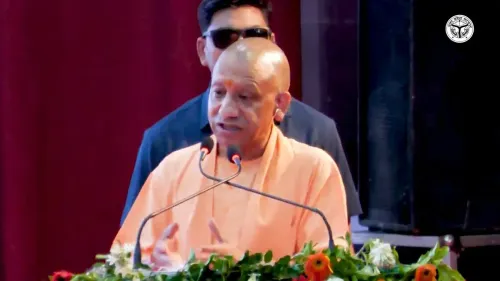
The Chief Minister's Office of Uttar Pradesh announced on Thursday, 18 June 2026 that the state government is currently sheltering approximately 14 lakh destitute cattle across more than 7,700 goshalas — a figure attributed directly to Chief Minister Yogi Adityanath.
Context
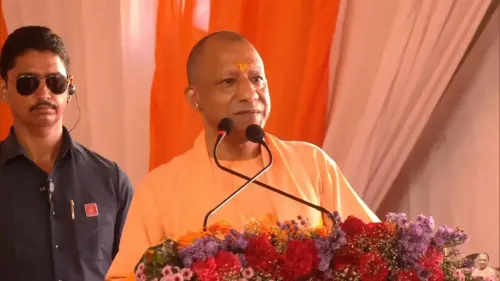
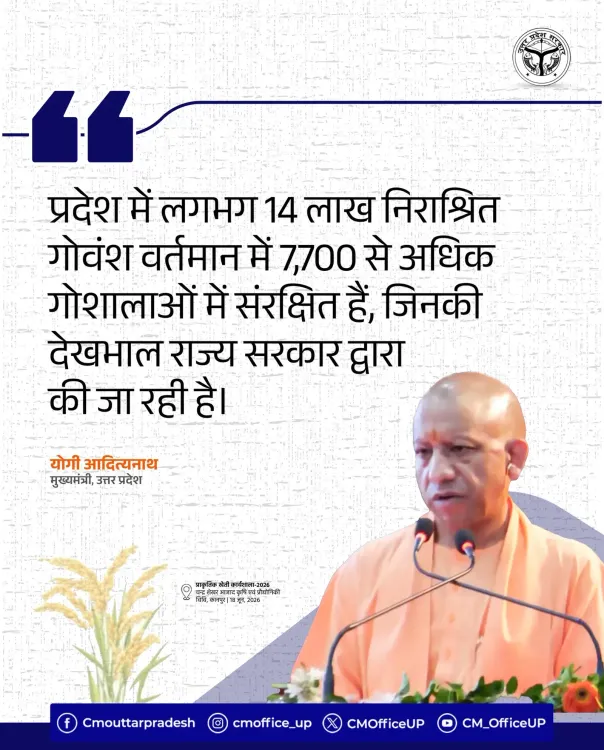
The post, shared by the official CMO account, quoted CM Yogi Adityanath stating: 'प्रदेश में लगभग 14 लाख निराश्रित गोवंश वर्तमान में 7,700 से अधिक गोशालाओं में संरक्षित हैं' ('In the state, approximately 14 lakh destitute cattle are currently sheltered in more than 7,700 goshalas'). The announcement positions the shelter network as a state-managed welfare operation, with the government bearing responsibility for the upkeep of these animals.
Policy Backdrop
The expansion of goshala infrastructure in Uttar Pradesh gained systematic momentum after the 2017 state assembly elections, when the Yogi Adityanath-led government initiated a district-level drive to house stray and abandoned cattle. The programme was designed to address both religious sensibilities around cow protection and the practical problem of human-animal conflict, particularly crop damage caused by stray cattle in rural areas.
Similar goshala-expansion programmes have been pursued across several BJP-governed states, often accompanied by dedicated budget allocations and district-level implementation bodies. In Uttar Pradesh, the initiative has evolved to include provisions for fodder supply and veterinary care, though the scale of state expenditure involved in maintaining 7,700-plus shelters remains a subject of ongoing legislative scrutiny.
Stakeholders and Impact
The primary beneficiaries of the programme are farmers and rural communities across Uttar Pradesh, who have historically borne the brunt of crop losses caused by stray cattle. By centralising the care of approximately 14 lakh animals within a formal shelter network, the government aims to reduce incidents of agricultural damage and road accidents involving stray bovines.
At the same time, the financial and logistical burden of maintaining such a large network falls on state resources. Questions around the quality of care, staffing of individual goshalas, and the adequacy of fodder supply are routinely raised by farmers' groups and opposition legislators during budget sessions of the Uttar Pradesh Legislative Assembly.
What's Next
Attention will now turn to the Uttar Pradesh state budget and any fresh guidelines linking goshala operations with expanded fodder supply chains or upgraded veterinary services. The government's ability to sustain — and potentially scale — the shelter network will serve as a key indicator of how seriously animal welfare commitments are being translated into administrative action. Any revision to per-animal maintenance grants or district-level targets is likely to draw close scrutiny from both farmer organisations and animal welfare advocates.
Point of View
700-plus shelters are numbers that are hard to dismiss. At the same time, the very scale of the operation invites scrutiny: maintaining such a network requires sustained budget commitment, and any shortfall in fodder or veterinary care quickly becomes a political liability. The move fits a broader BJP pattern of using animal welfare infrastructure to consolidate rural and religious constituencies while simultaneously addressing the very real agricultural grievance of crop damage by stray cattle. How the state funds and governs this network over the next budget cycle will reveal whether the programme is a durable policy or a politically convenient headline.
NationPress
20 Sept 2026
Frequently Asked Questions
How many stray cattle are sheltered in Uttar Pradesh goshalas?
According to the Chief Minister's Office, approximately 14 lakh destitute cattle are currently sheltered in goshalas across Uttar Pradesh.
How many goshalas are there in Uttar Pradesh?
The Uttar Pradesh government operates more than 7,700 goshalas across the state, as stated by Chief Minister Yogi Adityanath.
Who manages the goshalas in Uttar Pradesh?
The goshalas are managed under the oversight of the Uttar Pradesh state government , with care and maintenance funded by state resources.
Why did Uttar Pradesh expand its goshala network?
The expansion began after the 2017 assembly elections to address both cow-protection concerns and the practical problem of stray cattle damaging crops and causing road accidents in rural areas.
What is Yogi Adityanath's cow protection policy?
CM Yogi Adityanath has made cow protection a core policy focus since 2017, establishing a district-level goshala network, allocating state funds for cattle care, and pursuing measures to reduce human-animal conflict across Uttar Pradesh.