CM Sai Marks Emergency Anniversary, Salutes Democracy Fighters
Synopsis
Chhattisgarh Chief Minister Vishnu Deo Sai marked the Emergency anniversary on 28 June 2026, condemning Congress for crushing constitutional values in 1975 and honouring democracy fighters who defied authoritarian rule until democracy prevailed.
Key Takeaways
Chhattisgarh CM Vishnu Deo Sai posted a tribute on 28 June 2026 marking the anniversary of the 1975 Emergency .
He accused Congress of imposing the Emergency to crush democratic and constitutional values, calling it consistent with the party's nature.
He stated that fundamental rights of citizens were snatched away during the Emergency period.
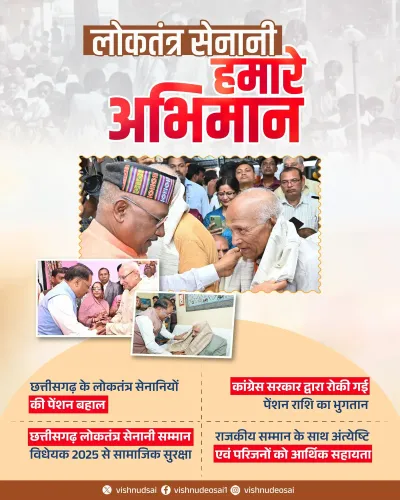
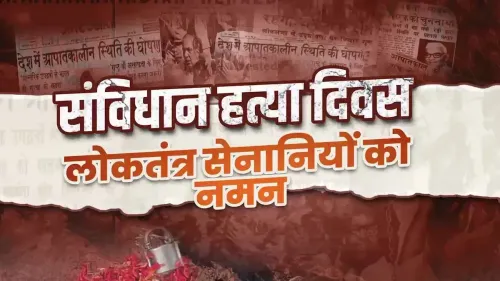
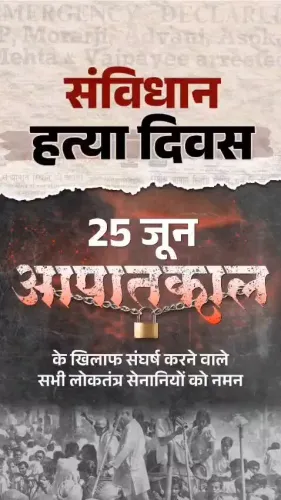
CM Sai saluted loktantra senaniyon (democracy fighters) who resisted the oppressive government and refused to submit.
He concluded that despite the repression, democracy ultimately emerged victorious — a reference to the Congress's defeat in the 1977 general elections .
The post continues the BJP's annual tradition of using the Emergency anniversary as a political counter-narrative against the Congress.
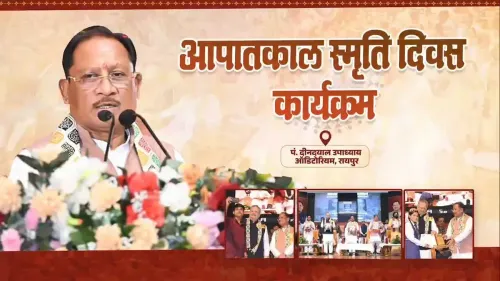
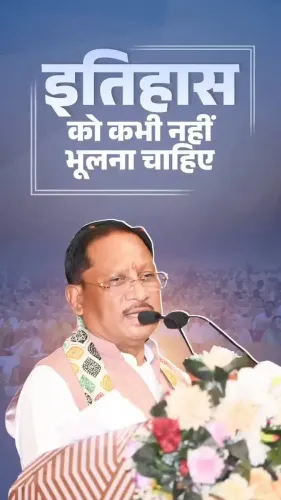
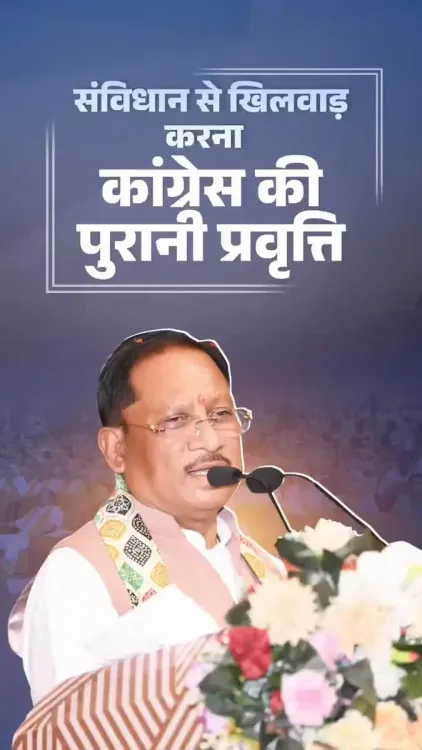
Chhattisgarh Chief Minister Vishnu Deo Sai on Sunday, 28 June 2026 paid tribute to the fighters who resisted the 1975 Emergency, asserting that democracy ultimately prevailed over authoritarian suppression. In a post on X, the BJP leader squarely blamed the Congress party for imposing what he called a direct assault on the Constitution and the fundamental rights of citizens.
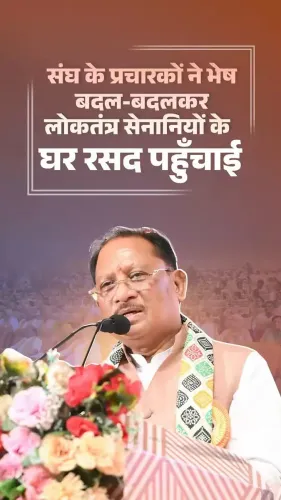
Posting in Hindi, CM Sai wrote: 'कांग्रेस ने अपनी प्रवृत्ति के अनुरूप आपातकाल लगाकर लोकतंत्र और संविधान की मर्यादाओं को कुचलने का प्रयास किया' — 'True to its nature, Congress imposed the Emergency and attempted to crush the dignity of democracy and the Constitution.' He added that fundamental rights of citizens were snatched away, but brave democracy fighters stood firm against the oppressive government and refused to bow, and ultimately democracy was victorious.
Context
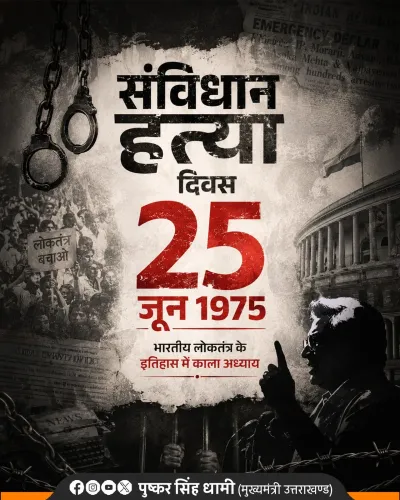
The post comes around the 51st anniversary of the Emergency declared by then Prime Minister Indira Gandhi on 25 June 1975, which lasted until 21 March 1977 — a period of 21 months during which civil liberties were suspended, the press was censored, and thousands of political opponents were jailed without trial. The date has in recent years become a fixture in the BJP's political calendar, used to draw a contrast between the party's stated commitment to democratic values and the Congress's record in government.
CM Sai's tribute specifically honours those referred to as 'loktantra senaniyon' (democracy fighters) — activists, opposition leaders, and ordinary citizens who resisted Emergency-era repression at considerable personal risk. Many were detained under the Maintenance of Internal Security Act (MISA) and the Defence of India Rules (DIR).
Policy Backdrop
The BJP has consistently framed the Emergency as a defining moment of Congress authoritarianism, and senior party leaders across states typically mark the anniversary with statements and events. For the BJP, the Emergency narrative serves as a long-running counter to Congress's claim of being the party that led India's freedom movement and upheld its democratic institutions.
The Janata Party's landslide victory in the 1977 general elections, which ended Emergency rule, is cited by BJP and its ideological predecessors as proof that the Indian electorate ultimately rejected the suspension of democratic norms. This framing has become a standard part of the party's political messaging around late June each year.
Stakeholders and Impact
CM Sai's statement resonates with BJP workers and supporters in Chhattisgarh who participated in or have familial connections to Emergency-era resistance movements. Several RSS-affiliated leaders and Jan Sangh workers — the political forerunner of the BJP — were among those imprisoned during the Emergency period.
The post is also a pointed political signal directed at the Congress party, which governs several states and remains the principal opposition force nationally. By invoking the Emergency on its anniversary, BJP leaders keep the historical accountability argument active in public discourse ahead of ongoing state and national political cycles.
What's Next
The 25 June anniversary — though CM Sai's post was published on 28 June — typically prompts a wave of commemorative events, party programmes, and felicitation of surviving democracy fighters at state and district levels across BJP-governed states. In Chhattisgarh, such programmes often include formal recognition of individuals who resisted the Emergency, and CM Sai's post signals continued official attention to this commemoration. The BJP's sustained invocation of the Emergency suggests the narrative will remain a live political theme as the party continues to contrast its democratic credentials with the Congress's legacy.
Point of View
Many with RSS-Jan Sangh links) and keep Congress on the defensive about its authoritarian past. The framing of Emergency imposition as intrinsic to Congress's 'nature' is deliberate: it is designed to make the 1975 episode feel like a permanent character trait rather than an isolated event. As Chhattisgarh heads deeper into its current BJP tenure, such messaging reinforces the party's democratic-custodian identity at the state level. The timing — three days after the actual 25 June anniversary — suggests a sustained commemorative campaign rather than a single-day event.
NationPress
29 Jun 2026
Frequently Asked Questions
Why is the 1975 Emergency anniversary significant for BJP leaders?
The 1975 Emergency, imposed by then PM Indira Gandhi and lasting 21 months, saw civil liberties suspended and thousands jailed; BJP and its predecessors frame it as proof of Congress authoritarianism, making the anniversary a key date for political messaging.
What did CM Vishnu Deo Sai say about the Emergency?
CM Sai said Congress, true to its nature, imposed the Emergency to crush democracy and the Constitution, stripped citizens of fundamental rights, but brave democracy fighters resisted and ultimately democracy prevailed.
Who are 'loktantra senani' or democracy fighters?
Loktantra senani refers to individuals — political activists, opposition leaders, and citizens — who resisted the 1975-77 Emergency regime, often facing imprisonment under laws like MISA and the Defence of India Rules.
When did the 1975 Emergency begin and end?
The Emergency was declared on 25 June 1975 by Prime Minister Indira Gandhi and was lifted on 21 March 1977 , lasting approximately 21 months.
Is Vishnu Deo Sai the current Chief Minister of Chhattisgarh?
Yes, Vishnu Deo Sai is the Chief Minister of Chhattisgarh and a senior BJP leader, having assumed office after the BJP's victory in the 2023 Chhattisgarh assembly elections.