CM Vishnu Deo Sai condoles Lakhisarai temple stampede deaths

Synopsis
Chhattisgarh Chief Minister Vishnu Deo Sai mourned the loss of lives in a stampede at Ashok Dham temple in Lakhisarai, Bihar, on August 17, 2026, offering condolences to bereaved families and praying for the injured devotees' swift recovery.
Key Takeaways
A stampede at Ashok Dham temple in Lakhisarai, Bihar caused deaths and injuries among devotees on or before August 17, 2026 .
Chhattisgarh Chief Minister Vishnu Deo Sai publicly condoled the tragedy, calling it 'extremely sorrowful and heartbreaking.' CM Sai extended sympathies to all affected families and prayed to Lord Shri Ram to grant peace to the departed souls.
He also prayed for the swift recovery of all injured devotees, closing with the traditional Hindu prayer ॐ शांति (Om Shanti).
The incident highlights the persistent crowd-management challenge at densely attended religious sites across India.
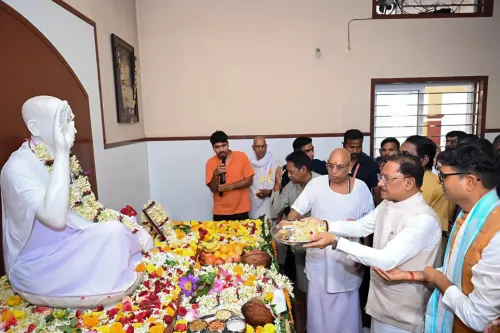
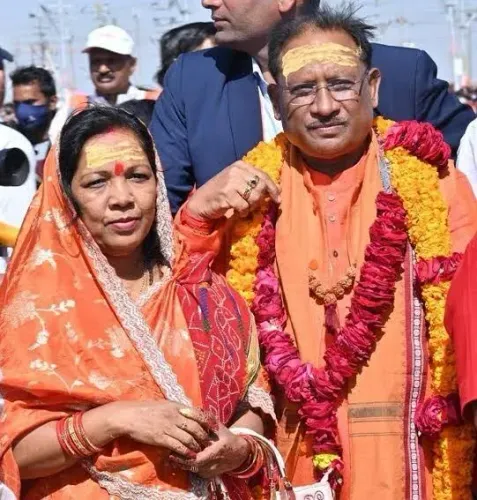
A stampede at the sacred Ashok Dham temple in Lakhisarai, Bihar, has claimed lives and left devotees injured — and the grief has crossed state lines. Chhattisgarh Chief Minister Vishnu Deo Sai on Monday, August 17, 2026, expressed deep condolences over the tragedy, calling the loss of lives 'extremely sorrowful and heartbreaking.'
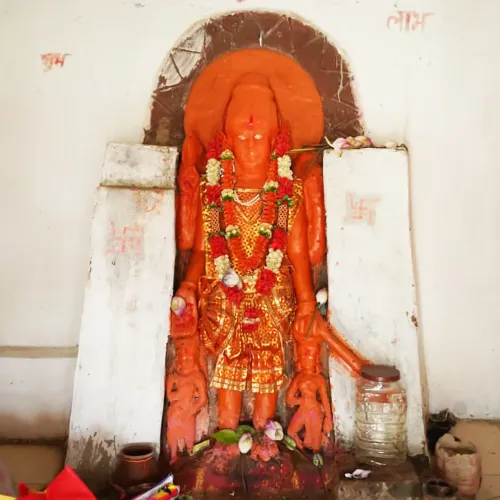
In his post, CM Sai wrote: 'बिहार के लखीसराय स्थित पावन अशोक धाम मंदिर में भगदड़ की दुर्भाग्यपूर्ण घटना में हुई जनहानि का समाचार अत्यंत दुःखद एवं हृदयविदारक है।' — 'The news of lives lost in the unfortunate stampede at the holy Ashok Dham temple in Lakhisarai, Bihar, is extremely sorrowful and heartbreaking.' He extended his sympathies to every affected family, prayed that Lord Shri Ram grant the departed souls a place at his feet, and sought swift recovery for all injured devotees. He closed with 'ॐ शांति' — Om Shanti, a traditional Hindu prayer for peace for the departed.
Lakhisarai is a district in eastern Bihar known for its religious sites along the Ganges corridor. Stampedes at crowded temple gatherings have historically posed serious crowd-management challenges at major religious sites across India, particularly during peak festival seasons when devotee footfall surges sharply.
The tragedy serves as a grim reminder of the recurring danger at densely attended religious congregations — and the urgent need for robust crowd-control protocols at pilgrimage sites nationwide.
Point of View
Where the BJP's core voter base is deeply invested. The Lakhisarai stampede adds to a long and troubling pattern of crowd-management failures at Indian pilgrimage sites, a governance gap that has drawn repeated scrutiny after similar tragedies in Uttar Pradesh, Rajasthan, and Himachal Pradesh. Whether this incident accelerates calls for a national framework on temple crowd safety — an issue that has lingered without legislative resolution — will depend on the scale of casualties and the political pressure that follows.
NationPress
2 Oct 2026
Frequently Asked Questions
What happened at Ashok Dham temple in Lakhisarai Bihar?
A stampede occurred at the Ashok Dham temple in Lakhisarai, Bihar, resulting in deaths and injuries among devotees. Chhattisgarh CM Vishnu Deo Sai described the incident as 'extremely sorrowful and heartbreaking' in a condolence post on August 17, 2026.
Who is Vishnu Deo Sai?
Vishnu Deo Sai is the Chief Minister of Chhattisgarh and a senior BJP leader. He expressed condolences over the Lakhisarai temple stampede tragedy on August 17, 2026.
Where is Ashok Dham temple located?
Ashok Dham temple is located in Lakhisarai district in eastern Bihar, India, a region known for its religious sites along the Ganges corridor.
What did CM Vishnu Deo Sai say about the Bihar stampede?
CM Sai called the loss of lives 'extremely sorrowful and heartbreaking,' extended sympathies to all affected families, prayed for the departed souls, and sought swift recovery for the injured devotees, concluding with 'Om Shanti.'
Are temple stampedes common in India?
Yes, stampedes at crowded religious gatherings have been a recurring tragedy at major pilgrimage sites across India, particularly during peak festival seasons when large numbers of devotees gather in confined spaces.