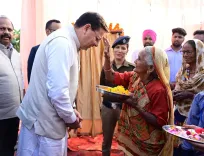
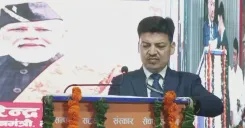
CM Sai: PM Modi Inaugurates Bharat Renewable Energy Summit in Delhi
Synopsis
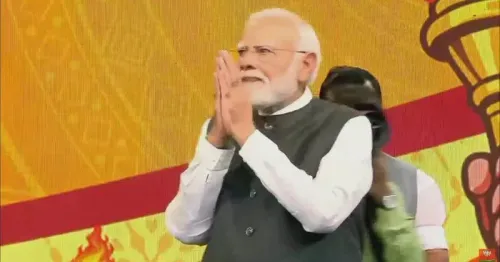
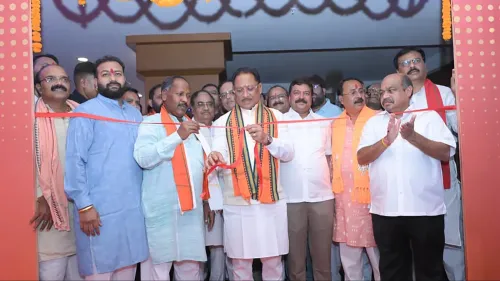
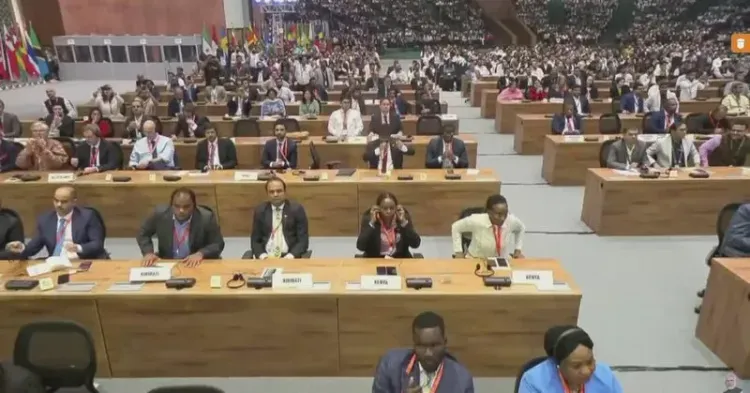
Prime Minister Narendra Modi inaugurated the Bharat Renewable Energy Summit & Expo in New Delhi on November 2, 2026. Chhattisgarh CM Vishnu Deo Sai highlighted the event, which sits at the intersection of India's Panchamrit climate pledges and its accelerating clean-energy buildout.
Key Takeaways
PM Narendra Modi inaugurated the Bharat Renewable Energy Summit & Expo in New Delhi on November 2, 2026 .
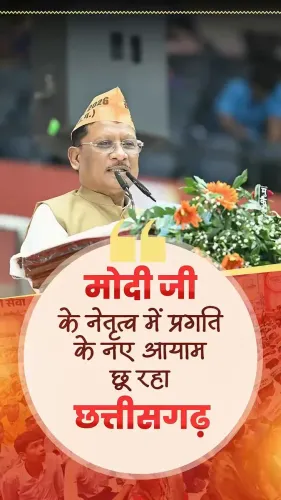
Chhattisgarh Chief Minister Vishnu Deo Sai publicly noted the inauguration on X, signalling state-level engagement with the summit.
India's Panchamrit strategy targets 500 GW of non-fossil fuel capacity by 2030 and net-zero emissions by 2070 .
The National Green Hydrogen Mission , launched in 2023 , forms a key pillar of India's clean-energy ambitions showcased at such summits.
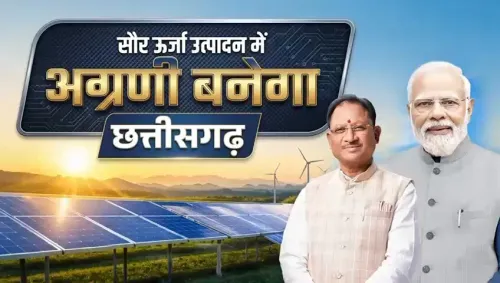
Resource-rich states like Chhattisgarh stand to benefit from investment and project allocations emerging from central-level energy summits.
India's clean-energy ambitions landed on centre stage in the capital on Monday, November 2, 2026, as Prime Minister Narendra Modi inaugurated the Bharat Renewable Energy Summit & Expo in New Delhi — a high-profile gathering that signals both the scale of India's green transition and the political will behind it. Chhattisgarh Chief Minister Vishnu Deo Sai flagged the moment on X, drawing attention to an event that positions India's renewable sector squarely in the national spotlight.
A Summit Rooted in Panchamrit Ambition
The backdrop to this inauguration is one of the most consequential climate pledges India has made. At COP26 in 2021, Prime Minister Modi unveiled India's Panchamrit (five-nectar) strategy — a five-point commitment that includes reaching 500 GW of non-fossil fuel capacity by 2030 and achieving net-zero emissions by 2070. Summits like the Bharat Renewable Energy Expo are precisely the kind of signal-sending events successive central governments have deployed to translate those pledges into project pipelines and private investment.
The pattern is deliberate. High-profile inaugurations attract renewable energy developers, state energy ministers, and financiers under one roof, creating a forcing function for deal-making that quieter policy circulars rarely achieve. For a country still building out grid infrastructure at pace, the optics of prime ministerial presence matter as much as the megawatts announced.
Green Hydrogen and the Next Frontier
Beyond solar and wind — sectors where India has already made significant strides — the National Green Hydrogen Mission, launched in 2023, has added a new dimension to events like this. Green hydrogen is increasingly central to India's strategy for decarbonising hard-to-abate sectors: steel, shipping, and heavy industry. A summit of this scale is expected to provide a platform for announcements on green hydrogen corridors, electrolyser manufacturing targets, and export ambitions.
For states like Chhattisgarh — rich in land, mineral resources, and renewable potential — federal-level energy summits carry direct economic stakes. Chief Minister Sai's public acknowledgement of the inauguration reflects the interest resource-rich states have in shaping how central investment flows are allocated in the coming cycle.
What Investors and States Will Watch For
The immediate question is what follows the inauguration. Historically, events of this kind produce a wave of memoranda of understanding, state-level project allocations, and revised capacity targets. Renewable energy developers will be tracking any revision to the 2030 non-fossil fuel target, new production-linked incentive tranches, and whether the summit yields concrete timelines for green hydrogen export infrastructure.
India's energy transition is no longer a distant aspiration — it is a construction site running at full speed. The Bharat Renewable Energy Summit is the latest milestone marker on that road, and the Prime Minister's presence at the inaugural ensures the momentum is unmistakably political as well as technical.
Point of View
Particularly when federal investment flows are in play. The increasing centrality of green hydrogen — a newer, costlier frontier — suggests the government is deliberately broadening the renewable story beyond solar dominance. How quickly summit pledges translate into grounded project orders will be the true test of this political signalling.
NationPress
2 Nov 2026
Frequently Asked Questions
What is the Bharat Renewable Energy Summit and Expo?
The Bharat Renewable Energy Summit & Expo is a national-level clean-energy conference held in New Delhi, inaugurated by Prime Minister Narendra Modi on November 2, 2026, bringing together renewable energy developers, state governments, and policymakers to advance India's green transition.
What is India's Panchamrit climate commitment?
India's Panchamrit strategy, announced at COP26 in 2021, is a five-point climate pledge that includes reaching 500 GW of non-fossil fuel energy capacity by 2030 and achieving net-zero carbon emissions by 2070.
What is the National Green Hydrogen Mission?
The National Green Hydrogen Mission, launched in 2023, is an Indian government initiative to scale up the production and use of green hydrogen to decarbonise hard-to-abate sectors such as steel, shipping, and heavy industry.
Why did Chhattisgarh CM Vishnu Deo Sai post about the renewable energy summit?
CM Vishnu Deo Sai shared the inauguration on X to signal state-level support for India's clean-energy agenda; Chhattisgarh, as a resource-rich state, has significant stakes in the investment and project allocations that such central-government summits generate.
What should we watch for after the Bharat Renewable Energy Summit?
Key outcomes to track include new memoranda of understanding between states and the Centre, revised capacity targets, production-linked incentive announcements for green hydrogen, and project allocations to states like Chhattisgarh with high renewable potential.