CM Sai pledges 'Bastar Brand' to empower Lakhpati Didis
Synopsis
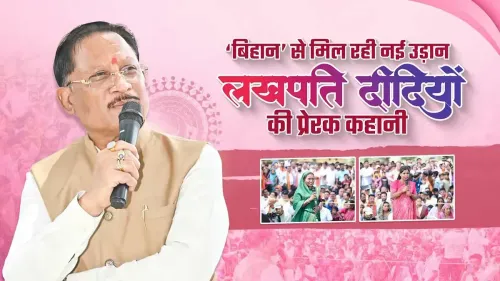
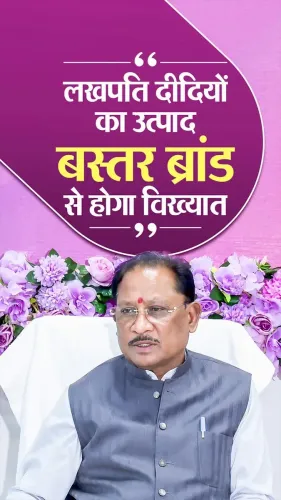
Chief Minister Vishnu Deo Sai announced at a Sukma press conference during Sushasan Tihar 2026 that the Chhattisgarh government will brand products made by women's self-help groups as 'Bastar Brand', aiming to deepen the economic empowerment of Lakhpati Didis in the tribal-dominated Bastar region.
Key Takeaways
CM Vishnu Deo Sai made the announcement at a press conference in Sukma on 2 June 2026 during Sushasan Tihar 2026 .
The state government plans to market SHG women's products under a unified 'Bastar Brand' identity to improve market access and price realisation.
The initiative is linked to the national Lakhpati Didi programme under DAY-NRLM , which targets a minimum annual income of Rs 1 lakh per SHG member.
Sukma and other districts in Bastar division — historically affected by Left-Wing Extremism — are the primary focus areas for this economic inclusion push.
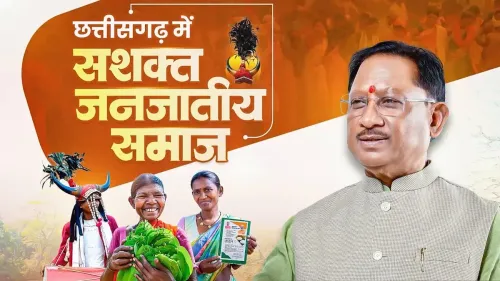
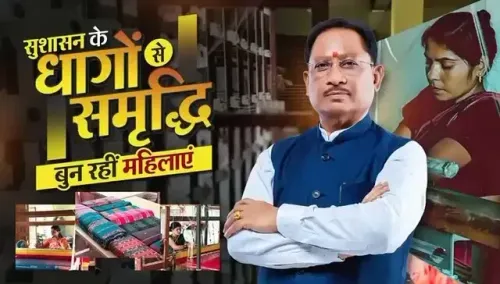
Women artisans producing handicrafts, forest produce, and food items are the direct intended beneficiaries of the branding effort.
Concrete marketing infrastructure, tie-ups, and district-wise targets are yet to be formally announced.
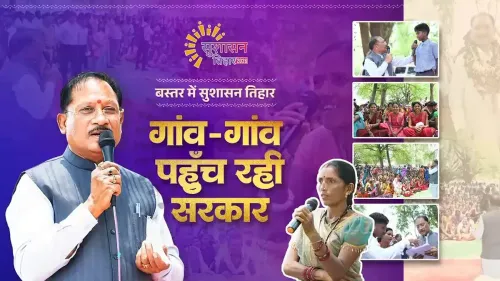
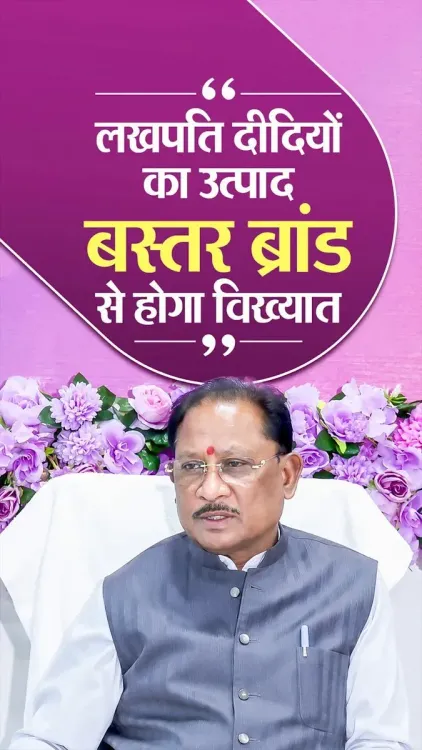
The Chief Minister's Office of Chhattisgarh shared remarks by Chief Minister Vishnu Deo Sai on Tuesday, 2 June 2026, announcing that the state government is committed to branding products made by women's self-help groups under the name 'Bastar Brand' and to accelerating the economic empowerment of SHG members as 'Lakhpati Didis'. The statement was made at a press conference in Sukma during the ongoing Sushasan Tihar 2026 governance outreach programme.
Context
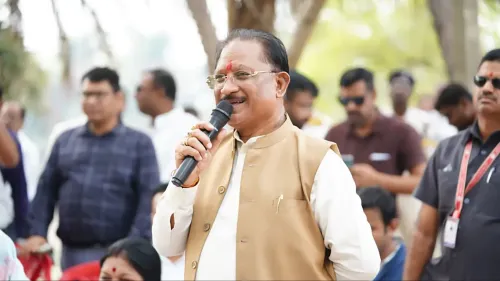
Speaking at the Patrakarwarta (press conference) in Sukma, CM Sai said: 'Sisters in women's self-help groups are now becoming Lakhpati Didis. Our government is continuously working to make them even more economically empowered. Whatever products they prepare, we will strive to make them famous under the name Bastar Brand.' The remarks were shared under the hashtags #SushasanTihar and #SushasanTihar2026, signalling that the announcement is part of the broader governance review series currently under way across the state.
Policy Backdrop
The Lakhpati Didi initiative is a national programme under the Deendayal Antyodaya Yojana – National Rural Livelihoods Mission (DAY-NRLM), formally launched by the Ministry of Rural Development in 2023, with the goal of enabling at least one crore SHG women to earn a minimum of Rs 1 lakh annually through sustainable livelihood activities. Chhattisgarh has been expanding NRLM activities in Left-Wing Extremism-affected districts, linking self-help groups to value addition and marketing of minor forest produce and handicrafts. Bastar, a tribal-dominated division in southern Chhattisgarh that includes Sukma, is known for its rich forest produce and traditional crafts — making it a natural candidate for a dedicated branding push.
Successive state governments in Chhattisgarh have prioritised women's collectives both for livelihood security and for countering local alienation through economic inclusion. The current BJP government, which came to power in December 2023, has continued and deepened this approach, with CM Sai — himself from a tribal community — placing tribal women's welfare at the centre of his administration's agenda.
Stakeholders and Impact
The primary beneficiaries are women SHG members across Bastar division, particularly in security-sensitive districts such as Sukma, where economic marginalisation has historically been acute. A recognisable 'Bastar Brand' could open organised retail, e-commerce, and government procurement channels for products that currently reach markets only through informal networks. Tribal women artisans producing handicrafts, forest-based goods, and food products stand to gain from improved price realisation and wider market access if the branding initiative is operationalised with dedicated marketing infrastructure.
Mahila Swasahayata Samuhs (women's self-help groups) promoted under NRLM serve as the institutional backbone for this effort, providing the savings, credit, and collective enterprise structures through which individual women can scale up production to meet Lakhpati Didi income thresholds.
What's Next
Attention will now turn to the concrete rollout of Bastar Brand marketing channels — including any tie-ups with government emporiums, online marketplaces, or export facilitation bodies — and to quantitative targets the state may announce for increasing Lakhpati Didi households during the remaining Sushasan Tihar 2026 events. The programme's success will ultimately be measured by whether the branding translates into verifiable income gains for SHG members in districts where alternative livelihoods remain scarce. How the state bridges the gap between the announcement and operational brand-building infrastructure will be closely watched by both welfare advocates and investors in tribal economies.
Point of View
Converting the Lakhpati Didi framework from an income threshold into a visible product story. The choice of Sukma — one of the most conflict-affected districts in the country — as the venue for this pledge carries deliberate symbolism, linking economic inclusion to the state's broader counterinsurgency narrative. Whether the Bastar Brand moves beyond a press-conference commitment to a funded, operational marketing channel will define its political and developmental legacy.
NationPress
24 Sept 2026
Frequently Asked Questions
What is the Bastar Brand announced by CM Vishnu Deo Sai?
The Bastar Brand is a proposed product identity under which the Chhattisgarh government intends to market goods made by women's self-help groups in the Bastar region, aiming to improve their market reach and income.
What is the Lakhpati Didi scheme and how does it work?
Lakhpati Didi is a national programme under DAY-NRLM launched in 2023 that aims to help one crore SHG women earn at least Rs 1 lakh per year through sustainable livelihood and micro-enterprise activities.
Where was the Bastar Brand announcement made?
Chief Minister Vishnu Deo Sai made the announcement at a press conference in Sukma, Chhattisgarh, on 2 June 2026, during the Sushasan Tihar 2026 governance outreach programme.
Who benefits from the Bastar Brand initiative?
Women members of self-help groups in the Bastar division — particularly tribal women artisans producing handicrafts, minor forest produce, and food products — are the primary intended beneficiaries.
What is Sushasan Tihar 2026?
Sushasan Tihar is a state-level governance outreach programme run by the Chhattisgarh government, featuring public hearings and scheme reviews; the 2026 edition is currently ongoing across the state.