CM Sai pledges Bastar Brand market push for Lakhpati Didi SHGs
Synopsis
Chhattisgarh Chief Minister Vishnu Deo Sai has pledged to bring Lakhpati Didi self-help group products to national and global markets through the Bastar Brand, reinforcing the state's alignment with the Union government's DAY-NRLM framework during the Sushasan Tihar 2026 campaign.
Key Takeaways
Chief Minister Vishnu Deo Sai posted on 2 June 2026 reaffirming the state's resolve to market SHG products via the Bastar Brand .
The Lakhpati Didi programme targets women SHG members earning at least Rs.
1 lakh annually under the central DAY-NRLM framework.
The Union government set a national target of one crore Lakhpati Didi beneficiaries in 2023 .
Bastar , a tribal-dominated region in southern Chhattisgarh, is the geographic and cultural anchor for the state's artisan-branding push.
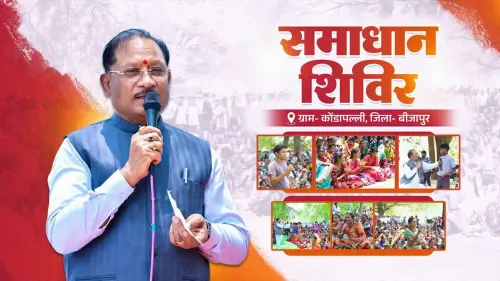
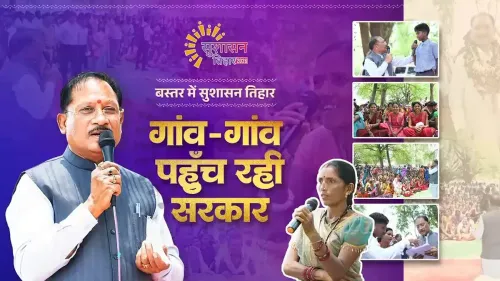
The announcement was made under the Sushasan Tihar 2026 campaign, the state government's annual governance-outreach programme.
Market linkage through the Bastar Brand is intended to connect remote tribal producers with domestic and international buyers.
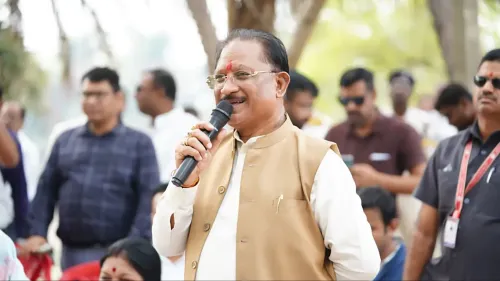
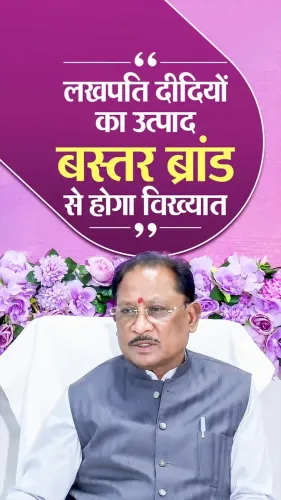
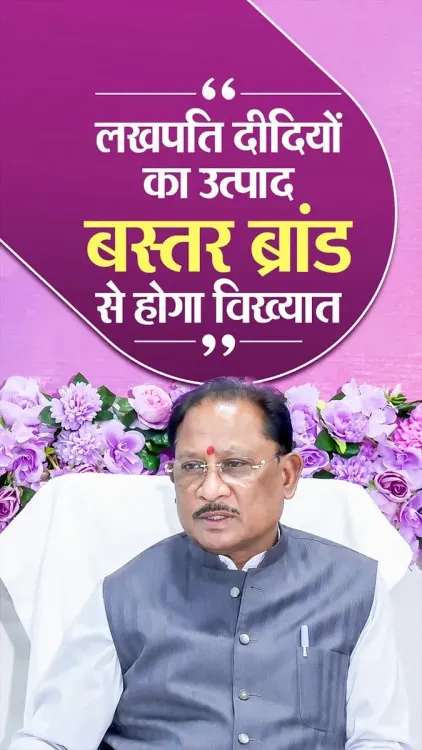
Chhattisgarh Chief Minister Vishnu Deo Sai on Tuesday, 2 June 2026 reaffirmed his government's commitment to expanding market access for women self-help group members, pledging to take products made by Lakhpati Didi beneficiaries to domestic and international markets through the 'Bastar Brand' platform. The statement came under the banner of #SushasanTihar2026, the state government's annual governance-outreach campaign.
Context
Posting in Hindi on 2 June 2026, Chief Minister Sai wrote that women joining self-help groups are forging a new identity as Lakhpati Didi — 'millionaire sisters' — symbolising prosperity and self-reliance. He added: 'It is our resolve to take the products made by these sisters — who have become symbols of prosperity, self-reliance and women's empowerment — to markets across the country and the world through the Bastar Brand.' The post was accompanied by a video and tagged to the state's Sushasan Tihar 2026 campaign.
Policy Backdrop
The Lakhpati Didi initiative is a central government programme under the Deendayal Antyodaya Yojana – National Rural Livelihoods Mission (DAY-NRLM), launched in 2011, which mobilises rural women into self-help groups for savings, credit, and micro-enterprise. In 2023, the Union government set a target of enabling one crore women SHG members to earn at least Rs. 1 lakh annually through livelihood activities. Chhattisgarh, with its large tribal population, has aligned state-level delivery with this national framework.
Bastar, a tribal-dominated region in southern Chhattisgarh, is known for forest produce, handicrafts, and bell-metal work. The 'Bastar Brand' is positioned as a marketing identity to connect remote tribal producers with wider domestic and export markets — part of a broader state strategy to add commercial value to indigenous skills and products.
Stakeholders and Impact
The primary beneficiaries are rural and tribal women enrolled in SHGs across Chhattisgarh, particularly in the Bastar region. For these producers, market linkage through a recognised brand can translate into more stable and higher incomes, moving them toward the Lakhpati Didi income threshold. The initiative also has downstream implications for artisans, forest-produce collectors, and micro-entrepreneurs whose livelihoods depend on consistent market demand.
The Sushasan Tihar campaign — literally 'Good Governance Festival' — serves as the state government's annual platform to publicise welfare scheme delivery and governance milestones, making it a recurring vehicle for announcements of this kind.
What's Next
Attention will now focus on the operational scale of the Bastar Brand: how many SHG products are listed on government e-marketplaces, what physical sales volumes are reported during Sushasan Tihar 2026 events, and whether formal market-linkage agreements are announced. The success of the initiative will ultimately be measured by the number of women in Chhattisgarh who cross the Rs. 1 lakh annual income milestone — a figure the state government is expected to highlight as the campaign progresses.
Point of View
Channelling a nationally resonant welfare brand into a locally rooted identity — the Bastar Brand. By framing tribal women artisans as protagonists of prosperity rather than beneficiaries of subsidy, the messaging reflects a wider BJP governance communication strategy that ties economic agency to cultural pride. The Sushasan Tihar platform amplifies this, converting scheme delivery into a periodic political performance of good governance. Whether the Bastar Brand delivers measurable income gains for SHG members will determine if the initiative outlasts the campaign cycle.
NationPress
19 Sept 2026
Frequently Asked Questions
What is the Lakhpati Didi scheme in Chhattisgarh?
Lakhpati Didi is a central government initiative under DAY-NRLM that helps women self-help group members earn at least Rs. 1 lakh per year through micro-enterprise and livelihood activities. Chhattisgarh is implementing it with a focus on tribal women, particularly in the Bastar region.
What is the Bastar Brand?
The Bastar Brand is a state-promoted marketing identity for products made by women self-help groups in Chhattisgarh's Bastar region, including handicrafts, forest produce, and bell-metal items, aimed at connecting tribal producers with national and global markets.
What is Sushasan Tihar 2026?
Sushasan Tihar, meaning 'Good Governance Festival', is an annual outreach campaign by the Chhattisgarh government to publicise welfare scheme delivery and governance achievements. The 2026 edition is the backdrop for Chief Minister Sai's recent announcements.
Who is Vishnu Deo Sai?
Vishnu Deo Sai is the Chief Minister of Chhattisgarh and a BJP leader who assumed office in December 2023. He represents a tribal constituency and has made women's empowerment and rural livelihoods central themes of his administration.
What is DAY-NRLM and how does it relate to self-help groups?
Deendayal Antyodaya Yojana – National Rural Livelihoods Mission (DAY-NRLM) was launched in 2011 to mobilise rural women into self-help groups for savings, credit, and micro-enterprise. The Lakhpati Didi target of one crore women was added to the mission's goals in 2023.