CM Vijay Inaugurates Rs 19.20 Cr Silk Market Complex in Dharmapuri
Synopsis
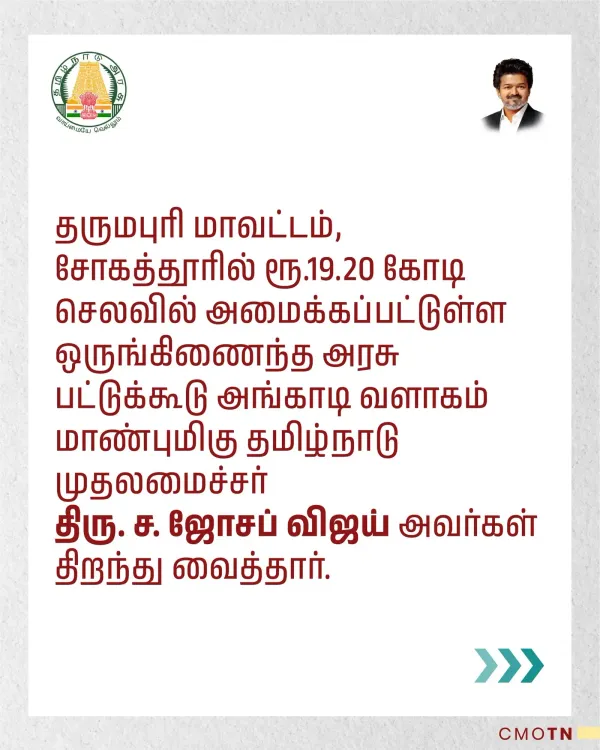
Chief Minister Joseph Vijay inaugurated an integrated government silk market complex at Sogathur, Dharmapuri district, on November 4, 2026. Built at a cost of Rs 19.20 crore, the facility aims to centralise silk cocoon and yarn trade for farmers and weavers in Tamil Nadu's sericulture belt.
Key Takeaways
Chief Minister Joseph Vijay inaugurated the integrated government silk market complex at Sogathur, Dharmapuri district on November 4, 2026 .
The complex was constructed at a cost of Rs 19.20 crore .
The facility centralises silk cocoon and yarn trading, storage, and transactions under a single government-backed roof.
Dharmapuri district is a key sericulture zone in Tamil Nadu, with the complex aimed at improving market access for local farmers and weavers.
The project reflects the Vijay administration's focus on district-level economic infrastructure investment beyond major urban centres.
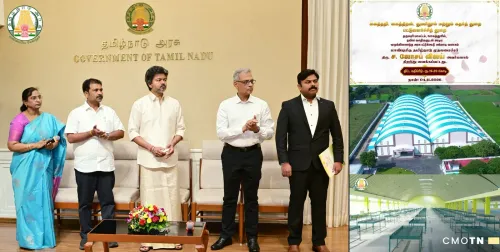
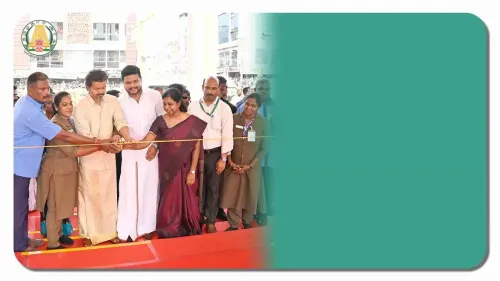
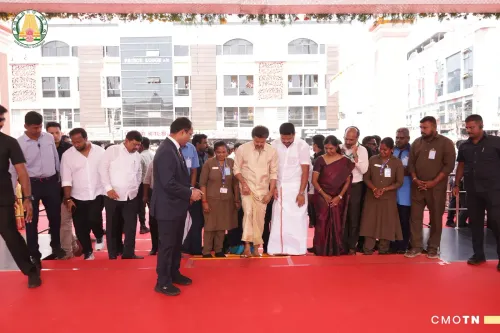
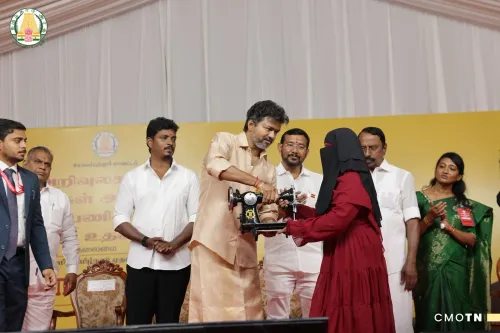
A new chapter opens for Tamil Nadu's silk weaving community — Chief Minister Joseph Vijay on Wednesday, November 4, 2026, inaugurated an integrated government silk market complex at Sogathur in Dharmapuri district, built at a cost of Rs 19.20 crore. The facility is designed to serve as a centralised hub for silk cocoon and yarn trade in one of the state's key sericulture belts.
What the Sogathur silk complex offers weavers and traders
The Integrated Government Silk Market Complex (Oruṅgiṇainda Aracu Paṭṭukkūṭu Aṅkāṭi Vaḷākam) at Sogathur brings together trading, storage, and transaction facilities under a single roof. For silk farmers and small weavers who previously navigated scattered, informal market arrangements, a government-backed complex at this scale represents direct infrastructure investment in their livelihoods.
Dharmapuri district sits in the northwestern corner of Tamil Nadu and is traditionally linked to sericulture activity that feeds downstream silk weaving clusters. A consolidated market of this kind can reduce price opacity and transaction costs for producers who sell raw cocoons and spun silk.
CM Vijay's economic outreach in Tamil Nadu's interior districts
The inauguration is part of a visible effort by the Joseph Vijay-led administration to channel capital expenditure towards district-level economic infrastructure rather than concentrating development in metro corridors. A Rs 19.20 crore outlay for a single-district commodity market signals intent to modernise traditional trade ecosystems in Tier-3 geographies.
Sogathur's new complex will be watched as a template: if silk price realisations improve and footfall among registered traders grows, the government is likely to cite it as a replicable model for other commodity clusters across the state.
For Tamil Nadu's silk sector — which competes with Karnataka's dominant Ramanagara market for raw cocoon supply — a well-managed state-backed trading platform could tilt some volume back toward in-state processing, strengthening the value chain from farm to loom.
Point of View
The administration is betting that place-based market infrastructure can directly improve price realisation for silk farmers. If successful, Sogathur could become a replicable template for state-backed commodity clusters — positioning Tamil Nadu as an active player in the competitive sericulture supply chain dominated by neighbouring Karnataka.
NationPress
4 Nov 2026
Frequently Asked Questions
Where is the new silk market complex in Tamil Nadu located?
The complex is located at Sogathur in Dharmapuri district , in northwestern Tamil Nadu.
How much did the Sogathur silk market complex cost?
The integrated government silk market complex was built at a cost of Rs 19.20 crore .
Who inaugurated the Sogathur silk complex?
Chief Minister Joseph Vijay inaugurated the facility on November 4, 2026 .
What is the purpose of the integrated silk market complex?
It is designed as a centralised hub for silk cocoon and yarn trade, bringing together trading, storage, and transaction facilities under one roof for weavers and farmers in the region.
Is Dharmapuri a significant area for sericulture in Tamil Nadu?
Yes, Dharmapuri district is traditionally linked to sericulture activity that feeds downstream silk weaving clusters in Tamil Nadu.