CM Sai visits biotech incubator at IGKV Raipur
Synopsis
Chhattisgarh CM Vishnu Deo Sai visited the Subhash Chandra Bose Biotechnology Incubator Centre at IGKV Raipur on 29 September 2026, framing it as a platform to convert agri-biotech research into startups and employment, aligning with the state BJP government's youth entrepreneurship agenda.
Key Takeaways
CM Vishnu Deo Sai visited the Subhash Chandra Bose Biotechnology Incubator Centre at IGKV Raipur on 29 September 2026 .
The centre aims to convert agri-biotech research and student innovations into market-ready startups and enterprises.
IGKV Raipur , established in 1987 , is Chhattisgarh's premier agricultural university and the host institution for the incubator.
CM Sai stated the state government's goal is to make youth 'creators of employment' rather than job-seekers.
The initiative aligns with the national Startup India framework launched in 2016 , which prioritises agri-biotech entrepreneurship.
Expansion of similar incubators to other Chhattisgarh universities and new industry partnerships remain the key indicators to watch.
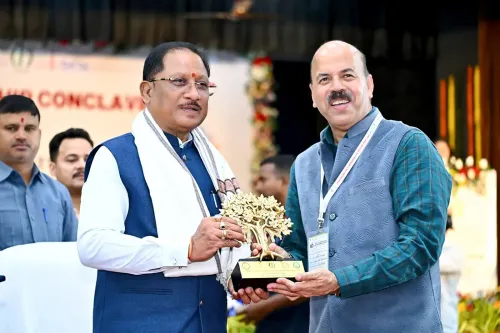
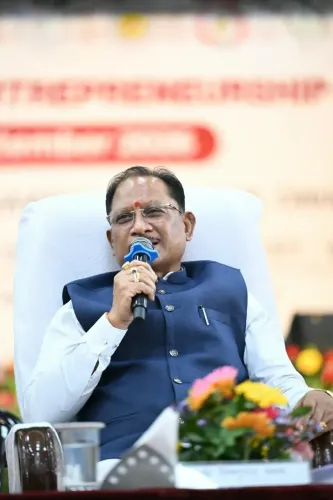
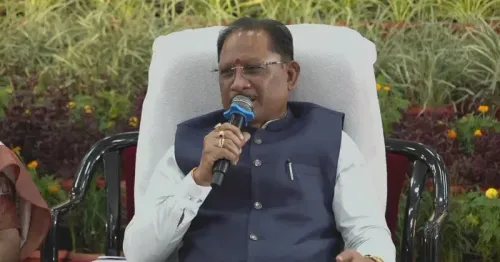
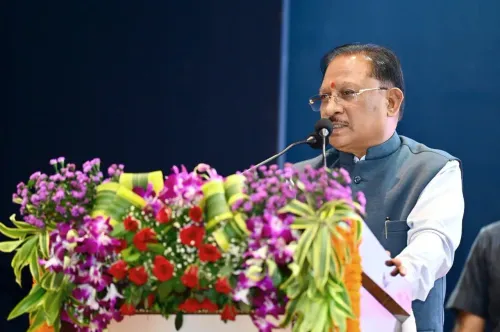
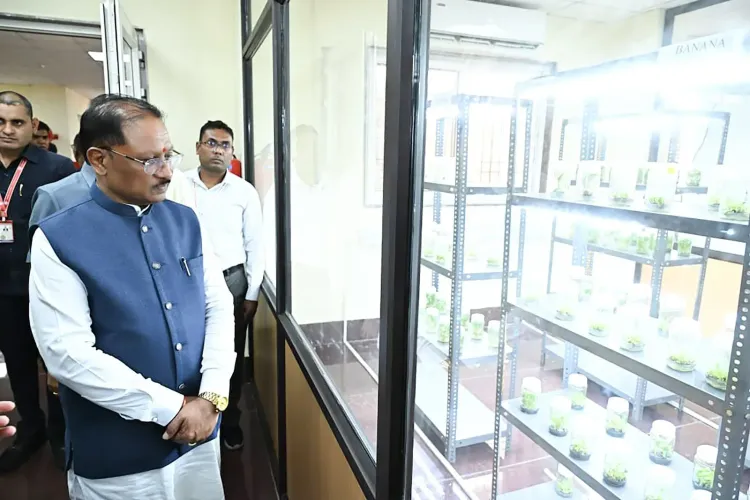
From research to innovation, from innovation to enterprise, from enterprise to employment — Chhattisgarh Chief Minister Vishnu Deo Sai laid out that chain in three crisp steps on Tuesday, 29 September 2026, when he visited the Subhash Chandra Bose Biotechnology Incubator Centre at Indira Gandhi Krishi Vishwavidyalaya (IGKV), Raipur — a facility the state government is betting on to turn young agri-biotech ideas into real businesses.
What the incubator is designed to do
The centre, housed inside IGKV Raipur — the state's premier agricultural university, established in 1987 — is built around a single ambition: bridge the gap between laboratory research and the marketplace. CM Sai described it as a platform equipped with 'state-of-the-art facilities and expert guidance' that will convert the 'innovative ideas of our youth into startups and successful enterprises.' The naming of the centre after Subhash Chandra Bose carries deliberate symbolic weight — invoking self-reliance and national enterprise in the same breath as biotechnology.
The facility is positioned to play a dual role: nurturing early-stage agri-biotech startups and simultaneously connecting academic research in agriculture and biotechnology to market opportunities and employment pipelines. In a state where farming remains the dominant livelihood, that linkage is not incidental — it is the core pitch.
Chhattisgarh's youth-as-job-creator push
CM Sai's visit crystallises a policy posture the BJP government in Chhattisgarh, in office since December 2023, has been building toward: shifting the aspiration of young people from job-seekers to job-creators. His post put it plainly — 'केवल रोजगार तलाशने वाले नहीं, बल्कि रोजगार के नए अवसर सृजित करने वाले' ('not merely those who seek employment, but those who create new employment opportunities through innovation and entrepreneurship').
This fits squarely within the national framework of the Startup India initiative, launched in 2016, which specifically targeted biotechnology and agriculture as high-potential sectors for startup growth. Several Indian states with strong agrarian economies have moved in this direction — setting up university-linked biotech incubators, often supported by bodies such as BIRAC (Biotechnology Industry Research Assistance Council), to commercialise publicly funded research. Chhattisgarh's move at IGKV follows that broader pattern.
Why an agri-biotech incubator in Raipur matters
Chhattisgarh is one of India's significant rice-producing states, and its agricultural sector carries both opportunity and vulnerability. Biotech innovations — from crop varieties to bio-inputs to post-harvest processing — can meaningfully shift productivity and farmer incomes. An incubator embedded inside an agricultural university gives student innovators and researchers direct access to labs, mentors, and institutional networks that standalone startup hubs rarely offer.
The watch item going forward is whether the state backs this flagship centre with dedicated funding, industry partnerships, or replicates the model at other universities across Chhattisgarh. A single incubator is a signal; a network is a system.
Point of View
Not just a welfare dispenser. Naming the centre after Subhash Chandra Bose — a symbol of self-reliance — is a calculated branding choice that ties state policy to a nationalist narrative of economic independence. The agri-biotech focus is strategically sound for a farming-heavy state, but the real test will be whether institutional support, funding, and industry linkages materialise beyond the optics of the visit. If the model scales across the state's universities, it could position Chhattisgarh as a genuine node in India's agri-innovation map.
NationPress
29 Sept 2026
Frequently Asked Questions
What is the Subhash Chandra Bose Biotechnology Incubator Centre in Raipur?
It is a biotechnology incubator facility located at Indira Gandhi Krishi Vishwavidyalaya (IGKV) in Raipur, Chhattisgarh, designed to support agri-biotech startups and help young innovators convert research ideas into commercial enterprises.
Why did CM Vishnu Deo Sai visit IGKV Raipur on 29 September 2026?
CM Sai visited to inspect the Subhash Chandra Bose Biotechnology Incubator Centre and underline the state government's commitment to turning Chhattisgarh's youth into job-creators through agri-biotech innovation and entrepreneurship.
What is IGKV Raipur and why is it significant?
Indira Gandhi Krishi Vishwavidyalaya (IGKV) is Chhattisgarh's premier agricultural university, established in 1987 in Raipur. It is the state's leading institution for agricultural research and education, making it a natural home for an agri-biotech incubator.
How does the IGKV biotech incubator connect to Startup India?
The incubator aligns with the national Startup India initiative launched in 2016, which promotes entrepreneurship in sectors including biotechnology and agriculture by linking university research to startup ecosystems and market opportunities.
What is Chhattisgarh government's plan for youth employment through biotechnology?
The Chhattisgarh BJP government, led by CM Vishnu Deo Sai since December 2023, aims to shift youth from being job-seekers to job-creators by supporting agri-biotech startups through incubators like the one at IGKV Raipur, with potential expansion to other state universities.