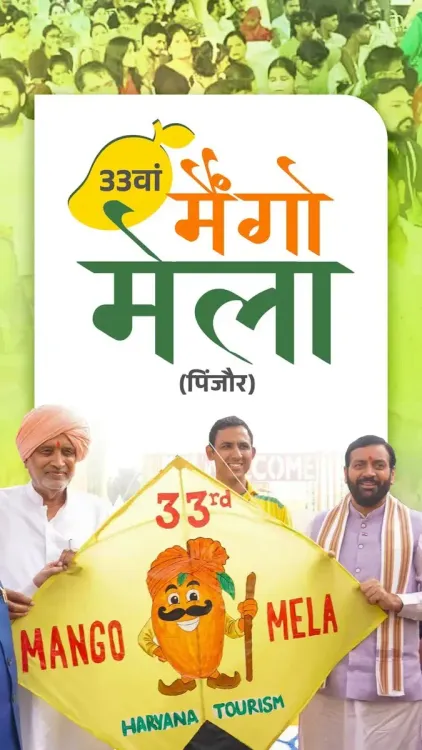
CM Saini attends 33rd Mango Mela at Pinjore
Synopsis
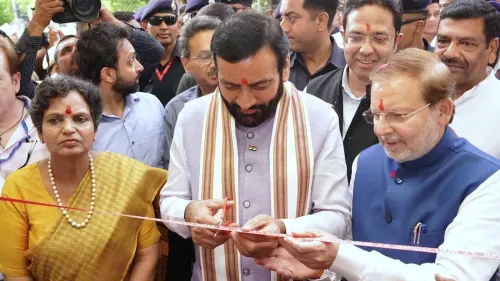
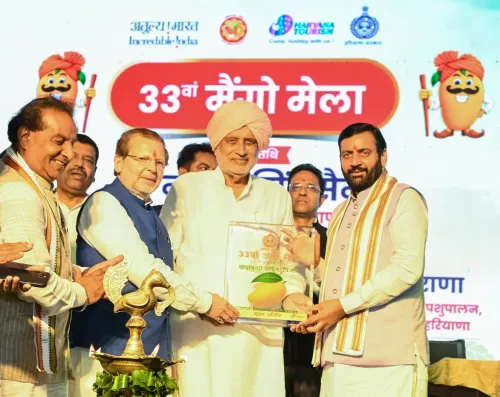
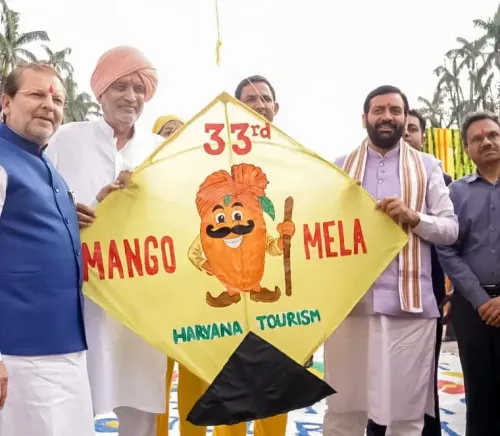
Haryana Chief Minister Nayab Singh Saini attended the 33rd Mango Mela at Pinjore on 11 July 2026, boosting visibility for one of the state's oldest horticultural fairs that supports mango growers, local vendors, and domestic tourism in Panchkula district.
Key Takeaways
Haryana CM Nayab Singh Saini publicly participated in the 33rd Mango Mela at Pinjore on 11 July 2026 .
The Mango Mela is an annual event now in its 33rd edition , held in the historic garden town of Pinjore, Panchkula district .
Haryana has organised district-level horticulture fairs since the 1990s to promote crop diversification beyond wheat and paddy.
The event aligns with the centrally sponsored Mission for Integrated Development of Horticulture (MIDH) .
Key beneficiaries include mango growers , local vendors, and domestic tourists from the Chandigarh tri-city region .
Future state announcements on horticulture marketing budgets and Pinjore tourism infrastructure will indicate deeper policy follow-through.
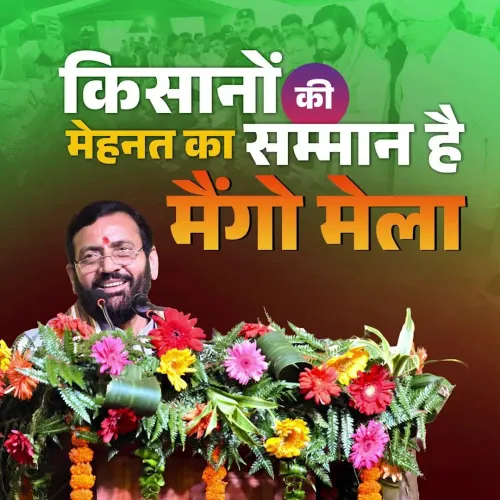
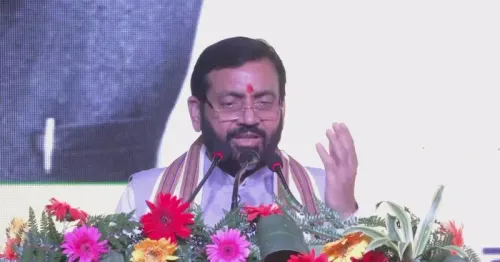
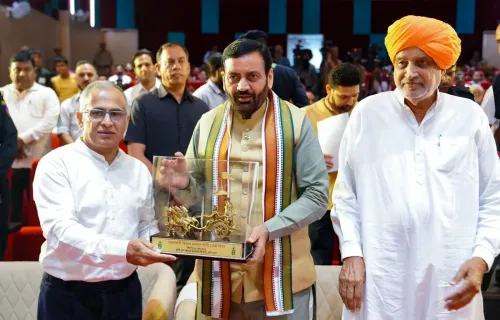
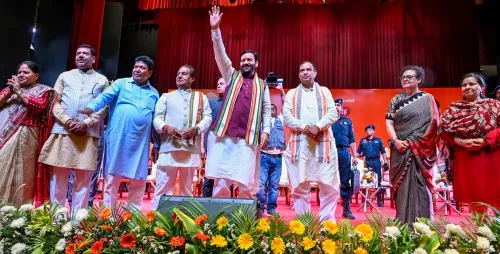
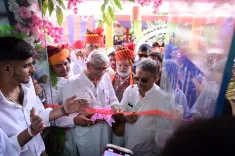
Haryana Chief Minister Nayab Singh Saini on Saturday, 11 July 2026, marked his participation in the 33rd Mango Mela at Pinjore, sharing highlights of the annual horticultural festival on social media and drawing attention to one of the state's longest-running agricultural cultural events.
Context
The Mango Mela at Pinjore is an annual fair held in the historic garden town of Pinjore in Panchkula district, Haryana. Now in its 33rd edition, the event celebrates the mango harvest season, showcasing diverse varieties grown across the region and providing a direct marketplace for growers and vendors. Pinjore is well known for its Mughal-era gardens, which lend the festival a distinctive cultural backdrop that draws domestic tourists each summer.
Chief Minister Saini's public association with the mela continues a tradition of senior political figures lending visibility to the event, reinforcing its status as a flagship occasion in Haryana's cultural and agricultural calendar.
Policy Backdrop
Haryana governments have organised district-level fruit and horticulture fairs since the 1990s as part of a broader push to encourage crop diversification beyond the dominant wheat-paddy cycle. These events are aligned with centrally sponsored programmes such as the Mission for Integrated Development of Horticulture (MIDH), which provides funding for post-harvest management, marketing infrastructure, and farmer outreach.
The Mango Mela fits squarely within this policy lineage, offering mango cultivators a platform to access consumers directly, improve price realisation, and gain recognition for regional varieties. State-level endorsement by a sitting chief minister amplifies the event's reach and signals continued government commitment to the horticulture sector.
Stakeholders and Impact
Mango growers from across Haryana are the primary beneficiaries, gaining exposure to a wider consumer base and the opportunity to compete and showcase produce. Local vendors and small traders around the Pinjore precinct also see a seasonal boost in footfall and commerce during the mela. Domestic tourists, particularly from the Chandigarh tri-city region, are drawn to the combination of the garden setting, seasonal fruit, and associated cultural programming that typically accompanies such fairs.
Beyond immediate commerce, events of this kind serve to preserve awareness of indigenous mango varieties and traditional horticultural knowledge, contributing to food heritage documentation in the state.
What's Next
Attention will now turn to whether the state government announces fresh budget allocations for horticulture marketing or new tourism infrastructure linked to the Pinjore gardens precinct in the wake of the mela. State governments across northern India have increasingly used such seasonal festivals as anchors for longer tourism development plans, and any such announcement from the Saini administration would indicate a deeper policy commitment beyond the ceremonial. The success of the 33rd edition could also inform the scale and programming of future editions as Haryana looks to position its horticultural output more competitively on the national stage.
Point of View
Where senior leaders use seasonal agricultural festivals to signal solidarity with farming and horticultural communities. For a BJP government in Haryana, publicly championing an event that directly benefits mango growers and rural vendors carries political utility alongside its cultural value. The 33rd edition's longevity also reflects institutional continuity across successive administrations, suggesting the mela has transcended partisan ownership. Whether this year's participation translates into concrete policy announcements for horticulture marketing or Pinjore's tourism infrastructure will determine if the engagement goes beyond optics.
NationPress
11 Jul 2026
Frequently Asked Questions
What is the Mango Mela at Pinjore?
The Mango Mela at Pinjore is an annual horticultural fair held in Pinjore, Panchkula district, Haryana, celebrating the mango harvest season and showcasing regional varieties. It is now in its 33rd edition.
Where is Pinjore located?
Pinjore is a town in Panchkula district, Haryana, close to Chandigarh. It is known for its historic Mughal-era gardens, which serve as the backdrop for the annual Mango Mela.
Why did CM Nayab Singh Saini attend the Mango Mela?
Chief Minister Nayab Singh Saini participated in the 33rd Mango Mela to lend official visibility to the event, supporting mango growers, local vendors, and the broader horticulture sector in Haryana.
What is the Mission for Integrated Development of Horticulture?
The Mission for Integrated Development of Horticulture (MIDH) is a centrally sponsored scheme that funds post-harvest management, marketing infrastructure, and farmer outreach for fruit and vegetable growers across India, including in Haryana.
How long has Haryana been organising horticulture fairs?
Haryana governments have organised district-level fruit and horticulture fairs since the 1990s as part of efforts to diversify agriculture beyond the traditional wheat-paddy cropping pattern.