CM Saini Celebrates Ghevar as Symbol of Haryana's Festival Culture
Synopsis
Haryana Chief Minister Nayab Singh Saini celebrated ghevar on X as the defining sweet of the state's festival heritage, calling it the symbol of relationship-sweetness at every celebration — a message timed to the approaching Teej monsoon season.
Key Takeaways
Haryana CM Nayab Singh Saini posted on X on 19 July 2026 celebrating ghevar as a symbol of the state's rich festive traditions.
He described ghevar as the 'sweet identity' of Haryana's culture that 'infuses sweetness into relationships at every celebration.' The post arrives ahead of Teej , the monsoon festival in Haryana and Rajasthan with which ghevar is most closely associated.
Local confectioners and sweet-shop owners stand to benefit from the heightened visibility during the festival season.
BJP -led state governments routinely use such cultural messaging on social media to reinforce regional identity and voter connect.
State cultural programmes and tourism initiatives promoting traditional Haryana cuisine are anticipated in the coming months.
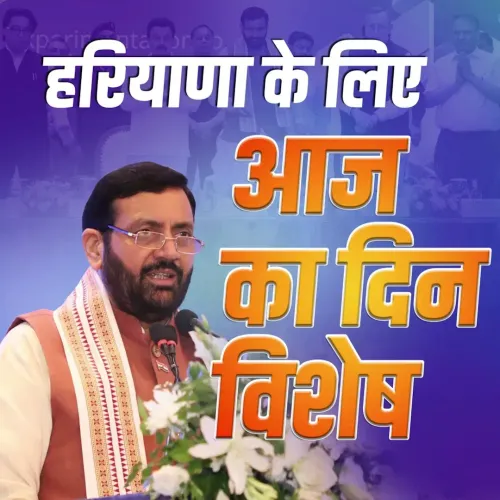
Haryana Chief Minister Nayab Singh Saini on Sunday, 19 July 2026, took to X to celebrate ghevar — the traditional latticed sweet — as a cherished emblem of the state's festive heritage, describing it as the defining sweetness of relationships at every celebration.
Context
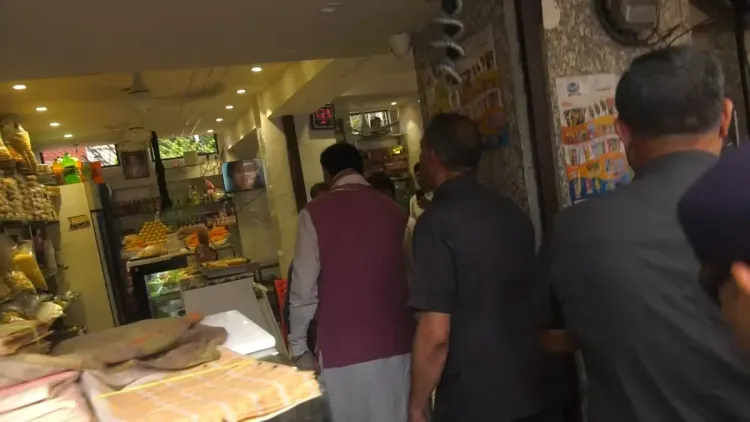
Saini's post, written in Hindi, reads: 'Ghevar hamari samridh parampara aur tyoharon ki madhur pehchaan hai, jo har utsav mein rishton ki mithaas ghol deta hai' — 'Ghevar is the sweet identity of our rich tradition and festivals, one that infuses sweetness into relationships at every celebration.' The message was accompanied by a video, underlining the visual and cultural weight the Haryana government attaches to the occasion.
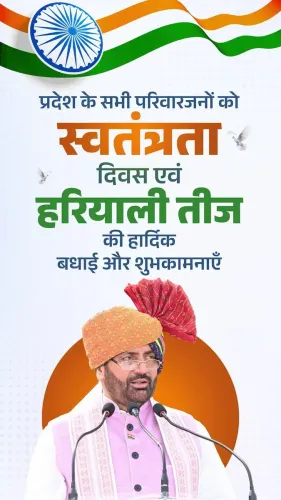
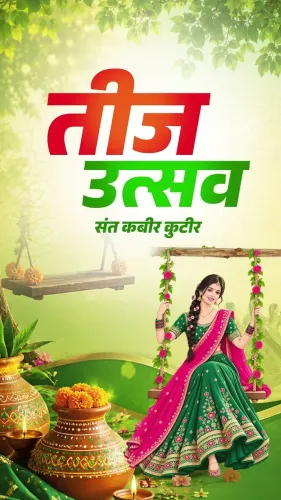
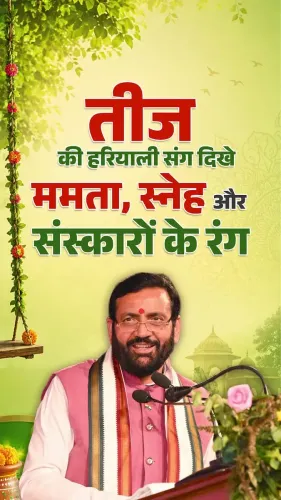
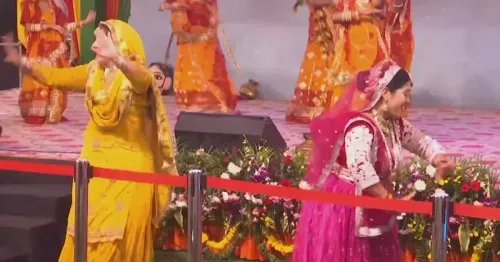
The post arrives in the heart of the monsoon season, when Teej — one of Haryana's most prominent festivals celebrated primarily by women — is approaching. Ghevar is the sweet most closely associated with Teej across Haryana and neighbouring Rajasthan, making Saini's tribute timely and culturally resonant.
Policy Backdrop
BJP-led state governments have consistently used social-media platforms to spotlight regional food, craft, and festival traditions as part of a broader cultural-pride messaging strategy. In Haryana, this approach complements the state's ongoing efforts to promote local identity alongside infrastructure and development priorities.
Ghevar — a disc-shaped, deep-fried sweet made from flour, ghee, and sugar syrup — has Geographical Indication (GI) significance in the broader North Indian sweets tradition. Its prominence during Teej and Raksha Bandhan makes it a seasonal economic driver for local confectioners and sweet-shop owners across the state.
Stakeholders and Impact
The post directly resonates with Haryana's large community of artisanal confectioners who depend on festival-season demand for ghevar. A public endorsement from the Chief Minister amplifies visibility for local sweet-makers at a commercially critical time of year.
For residents, particularly women who observe Teej fasts and rituals, the message from the state's top elected official signals institutional recognition of a tradition that is both cultural and familial. Cultural organisations and tourism bodies in the state are expected to leverage such messaging in promotional campaigns.
What's Next
State-level cultural programmes and tourism initiatives spotlighting traditional Haryana cuisine and festivals are anticipated in the coming months. Saini's social-media engagement on heritage themes is likely to continue as the festival calendar — including Teej and Raksha Bandhan — progresses through the monsoon season.
Whether the government follows this messaging with formal policy support — such as schemes for local confectioners or heritage food festivals — will be a signal of how deeply cultural promotion translates into actionable governance in Haryana.
Point of View
Where the party has worked to consolidate its cultural connect after winning the 2024 assembly election, such messaging serves a dual purpose — it celebrates heritage while subtly positioning the ruling dispensation as its custodian. The timing ahead of Teej, a festival centred on women's traditions, also carries electoral undertones in a state where women voters have been a decisive constituency. Whether this translates into concrete policy support for artisans and confectioners will determine if the sentiment has governance weight beyond the social-media moment.
NationPress
18 Oct 2026
Frequently Asked Questions
What did Haryana CM Nayab Singh Saini say about ghevar?
CM Saini described ghevar as the 'sweet identity of our rich tradition and festivals' that 'infuses sweetness into relationships at every celebration,' posting the message on X on 19 July 2026.
What is ghevar and why is it significant in Haryana?
Ghevar is a disc-shaped, deep-fried sweet made from flour, ghee, and sugar syrup, closely associated with the Teej and Raksha Bandhan festivals in Haryana and Rajasthan. It is a key seasonal product for local confectioners.
What is Teej and when is it celebrated in Haryana?
Teej is a traditional monsoon festival celebrated primarily by women in Haryana and Rajasthan, marked by folk songs, swings, fasting, and sweets — especially ghevar. It falls during the monsoon months, typically July or August.
Why do BJP leaders post about regional sweets and festivals?
BJP-led state governments use cultural messaging on social media to highlight regional heritage and connect with voters, aligning with the party's broader emphasis on Indian traditions in states it governs.
What is the significance of Nayab Singh Saini's post for local confectioners?
A public endorsement of ghevar by the Chief Minister amplifies visibility for Haryana's local sweet-makers at a commercially critical period, as festival-season demand for ghevar is a major revenue driver for confectioners.