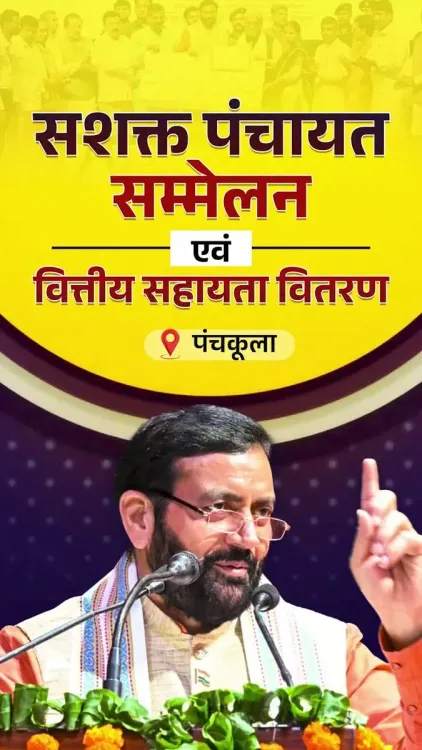
CM Saini Holds Sashakt Panchayat Sammelan in Panchkula
Synopsis
Haryana Chief Minister Nayab Singh Saini held the Sashakt Panchayat Sammelan in Panchkula on 9 June 2026, disbursing financial assistance to Panchayati Raj Institution representatives and reinforcing the state government's push for grassroots decentralisation.
Key Takeaways
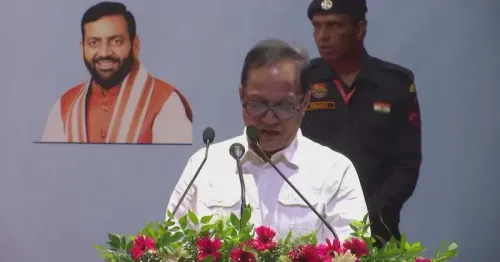
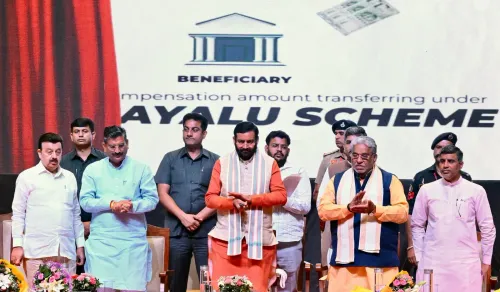
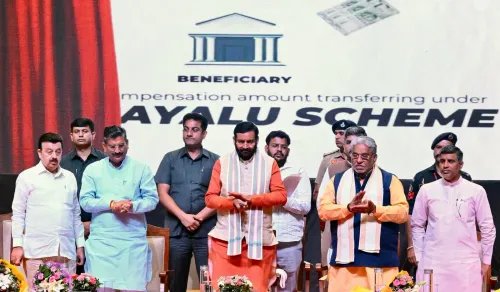
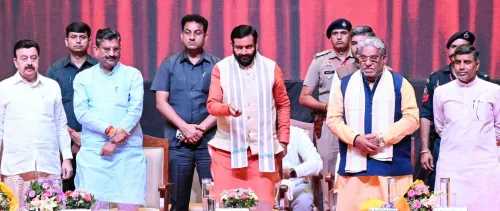
Haryana Chief Minister Nayab Singh Saini presided over the Sashakt Panchayat Sammelan evam Vittiya Sahayata Vitaran in Panchkula on 9 June 2026 .
The event combined a state-level conference for elected panchayat representatives with direct disbursement of financial assistance to local bodies.
The initiative aligns with constitutional mandates under the 73rd Amendment Act of 1992 for devolution of funds and functions to the three-tier Panchayati Raj system.
Haryana's State Finance Commission framework governs the distribution of grants to gram panchayats, panchayat samitis, and zila parishads.
Panchkula , a major administrative district bordering Chandigarh, served as the venue for this statewide rural governance event.
Subsequent State Finance Commission reports and central scheme rollouts will indicate the longer-term fiscal commitment to panchayat empowerment in Haryana.
Haryana Chief Minister Nayab Singh Saini on Tuesday, 9 June 2026, presided over the Sashakt Panchayat Sammelan evam Vittiya Sahayata Vitaran (Empowered Panchayat Conference and Financial Assistance Distribution) held in Panchkula, marking a significant outreach to rural local-body representatives across the state.
Context
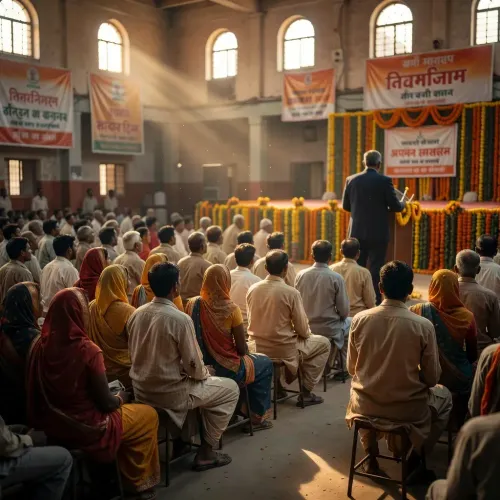
The event, whose title translates as 'Empowered Panchayat Conference and Financial Assistance Distribution,' brought together Panchayati Raj Institution representatives in Panchkula. The gathering served a dual purpose: conferencing with elected panchayat leaders and disbursing financial assistance directly to local bodies. Such sammelans are a recurring feature of state governance in Haryana, designed to bridge the gap between state government priorities and grassroots administration.
Chief Minister Saini, who assumed office in March 2024, has positioned strengthening rural governance as a key plank of the BJP-led state government. The Panchkula event is consistent with that stated focus on empowering the three-tier Panchayati Raj system.
Policy Backdrop
India's decentralisation framework traces its constitutional roots to the 73rd Constitutional Amendment Act of 1992, which mandated a three-tier Panchayati Raj system and required states to devolve powers, functions, and funds to local bodies. Successive Finance Commissions have recommended grant disbursements to panchayats to strengthen local service delivery in areas such as sanitation, roads, and drinking water.
Haryana, like other states, is required to constitute a State Finance Commission to recommend the distribution of tax revenues between the state and local bodies. Periodic sammelans of the kind held in Panchkula are used by state governments to channel these grants, communicate policy priorities to elected representatives, and build administrative capacity at the village level.
The broader national push for 'Panchayat Sashaktikaran' — empowering panchayats — has gained momentum under central schemes that incentivise states to improve the fiscal health and functionality of rural local bodies.
Stakeholders and Impact
The primary beneficiaries of the event are elected representatives of gram panchayats, panchayat samitis, and zila parishads across Haryana, who stand to receive financial grants that can be deployed for local infrastructure and public services. Rural communities in the state are the downstream beneficiaries, as stronger and better-funded panchayats are better positioned to deliver last-mile services.
For the BJP government in Haryana, such conferences also serve a political-outreach function, reinforcing ties with the large network of elected panchayat members who act as intermediaries between the state and rural voters. Panchkula, as a major administrative hub adjacent to Chandigarh, is a natural venue for state-level governance events of this scale.
What's Next
Analysts and panchayat observers will watch for the State Finance Commission's next report on grant allocations and whether the disbursements announced at this sammelan are followed by capacity-building modules under central schemes. Any subsequent state budget revision that increases the panchayat grants envelope would be a signal of continued policy commitment. The Haryana government's track record on fund utilisation at the panchayat level will be a key metric for evaluating the long-term impact of events like the Sashakt Panchayat Sammelan.
Point of View
Who has governed Haryana since March 2024, direct engagement with elected panchayat members is both a governance imperative and an electoral investment in a state where rural voters form the decisive bloc. The event fits into a broader national pattern of BJP-governed states deploying 'empowerment' branding around Panchayati Raj to signal continuity with the Centre's decentralisation agenda. Whether the financial assistance translates into measurable improvements in local service delivery will ultimately determine the policy legacy of such sammelans.
NationPress
22 Sept 2026
Frequently Asked Questions
What is the Sashakt Panchayat Sammelan in Haryana?
The Sashakt Panchayat Sammelan is a state-level conference organised by the Haryana government to bring together elected Panchayati Raj Institution representatives, share policy priorities, and disburse financial assistance directly to rural local bodies.
Where was the Sashakt Panchayat Sammelan held?
The event was held in Panchkula , a district and administrative hub in Haryana, on 9 June 2026 .
Who is Nayab Singh Saini?
Nayab Singh Saini is the Chief Minister of Haryana and a senior BJP leader who assumed office in March 2024 .
What is the constitutional basis for panchayat financial assistance in India?
The 73rd Constitutional Amendment Act of 1992 mandated a three-tier Panchayati Raj system and required states to devolve funds, functions, and functionaries to local bodies, with State Finance Commissions recommending grant distributions.
Why does Haryana hold panchayat sammelans?
Haryana holds panchayat sammelans to disburse state and Finance Commission grants, build the administrative capacity of elected representatives, and strengthen grassroots governance and service delivery in rural areas.