CM Nayab Saini Seeks Baba Khattu Shyam's Blessings in Kurukshetra
Synopsis
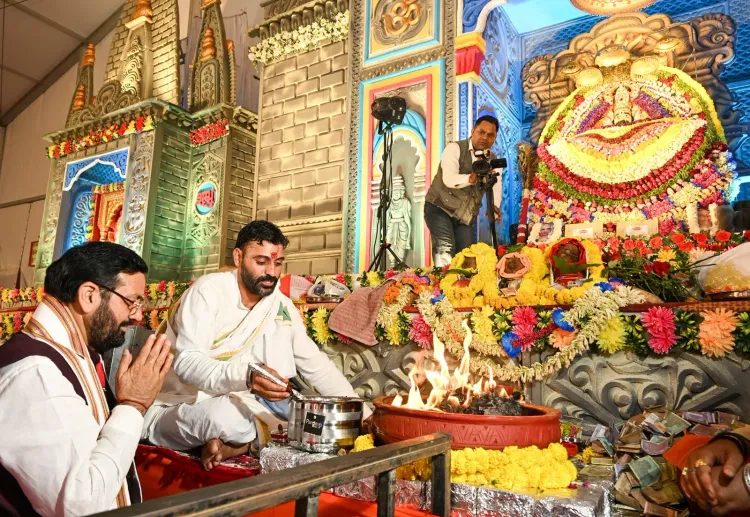
Haryana Chief Minister Nayab Singh Saini attended a Baba Khattu Shyam Ji jagran in Kurukshetra on November 1, 2026, organised by Shri Madhav Seva Samiti, and prayed for peace and prosperity for all families.
Key Takeaways
Haryana CM Nayab Singh Saini attended a jagran dedicated to Baba Khattu Shyam Ji in Kurukshetra on November 1, 2026 .
The event was organised by Shri Madhav Seva Samiti , a religious group active at pilgrimage centres.
Spiritual leader Gita Manishi Mahamandaleshwar Shri Gyananand Ji Maharaj was also present at the gathering.
Saini offered a prayer for happiness, peace, prosperity, and well-being for every family.
Kurukshetra holds deep significance as the city of the Mahabharata and the Bhagavad Gita in Hindu tradition.
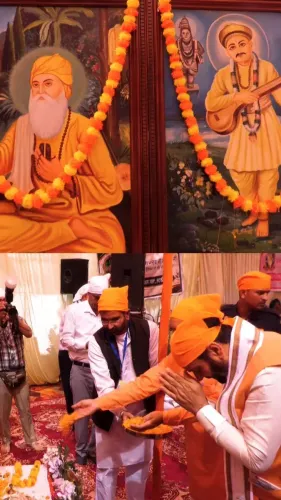
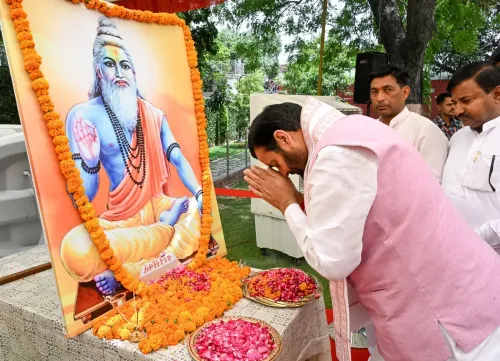
At a devotional gathering in the sacred city of Kurukshetra, Haryana Chief Minister Nayab Singh Saini attended a jagran organised in honour of Baba Khattu Shyam Ji on Sunday, November 1, 2026, seeking the deity's blessings and praying for peace and prosperity across every household in the state.
The event was organised by Shri Madhav Seva Samiti, a religious group known for conducting devotional programmes at pilgrimage centres across northern India. Chief Minister Saini described the occasion as a deeply auspicious one, posting on X: 'जय श्री श्याम!' ('Hail Shri Shyam!') and noting that he received the blessings of Baba Khattu Shyam Ji at this spiritually charged jagran.
Gita Manishi's Presence Adds Spiritual Weight
Adding to the significance of the gathering was the presence of Gita Manishi Mahamandaleshwar Shri Gyananand Ji Maharaj, a revered spiritual leader widely recognised for propagating the teachings of the Bhagavad Gita. Saini noted the privilege of receiving the saint's sannidhya — his sacred company — at the event. For Kurukshetra, a city intrinsically linked to the Mahabharata and the Gita, the convergence of Khattu Shyam devotion and Gita scholarship carried particular resonance.
A Prayer for Every Family's Well-Being
In his post, Saini offered a prayer at the feet of Baba Shyam — that the deity's grace continue to flow over all, and that every family be touched by sukh-shanti, samridhi evam khushhali — happiness, peace, prosperity, and well-being. The language was deliberately inclusive, framing the religious visit as a moment of collective blessing rather than personal piety alone.
Indian political leaders across parties regularly participate in jagran programmes and religious gatherings, particularly in states with deep devotional traditions. Haryana — home to Kurukshetra, one of Hinduism's most storied pilgrimage sites — sees such engagements as a routine, widely shared thread between governance and faith. For Saini, the visit reinforces a visible public connection to the state's religious identity.
Point of View
Such appearances consistently reinforce the ruling party's narrative of cultural and religious stewardship of the state.
NationPress
1 Nov 2026
Frequently Asked Questions
Why did Haryana CM Nayab Singh Saini attend a jagran in Kurukshetra?
CM Nayab Singh Saini attended a Baba Khattu Shyam Ji jagran organised by Shri Madhav Seva Samiti in Kurukshetra on November 1, 2026, to seek the deity's blessings and pray for peace and prosperity for all families.
Who is Baba Khattu Shyam Ji?
Baba Khattu Shyam Ji is a widely worshipped Hindu deity whose primary temple is located in Khatu, Rajasthan. Jagran events in his honour are popular devotional gatherings across northern India.
Who is Gita Manishi Shri Gyananand Ji Maharaj?
Shri Gyananand Ji Maharaj is a spiritual leader holding the title Gita Manishi, recognised for promoting the teachings of the Bhagavad Gita through religious organisations and discourses.
What is the significance of Kurukshetra for Hindu devotees?
Kurukshetra is a historic city in Haryana considered sacred in Hinduism as the battlefield of the Mahabharata and the setting where the Bhagavad Gita was delivered, making it one of India's most important pilgrimage destinations.
What is Shri Madhav Seva Samiti?
Shri Madhav Seva Samiti is a religious organisation that arranges spiritual programmes including jagran events at pilgrimage and devotional centres in northern India.