CM Saini Chairs High-Level Pre-Monsoon Review in Haryana
Synopsis
Haryana Chief Minister Nayab Singh Saini chaired a high-level review on 11 July 2026 to assess monsoon preparedness across the state, directing officials to ensure waterlogging control, drainage, and relief and rescue systems are ready before the peak monsoon season.
Key Takeaways
CM Nayab Singh Saini chaired a high-level pre-monsoon review meeting on 11 July 2026 .
Officials were directed to ensure preparedness covering waterlogging, drainage, relief, and rescue operations .
The directive aims to prevent public inconvenience during the 2026 monsoon season across Haryana .
Pre-monsoon reviews are mandated under the Disaster Management Act, 2005 and are a recurring annual exercise.
Haryana faces recurrent flooding risks in urban centres like Gurugram and along the Yamuna and Ghaggar basins.
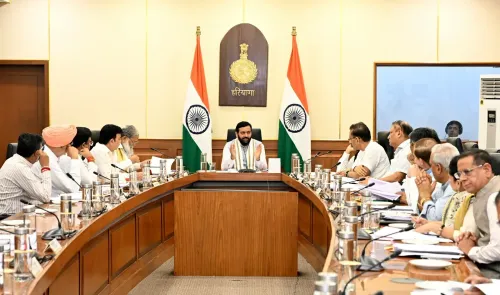
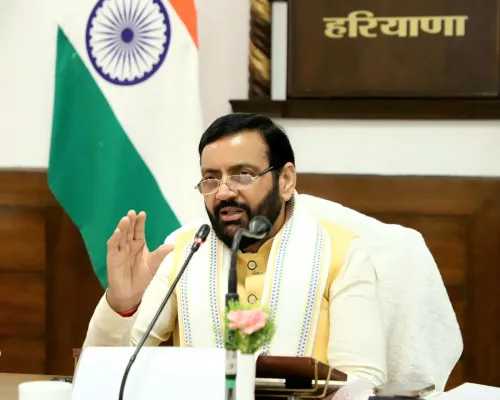
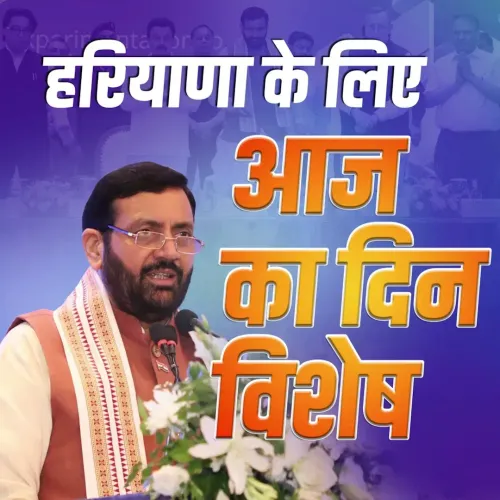
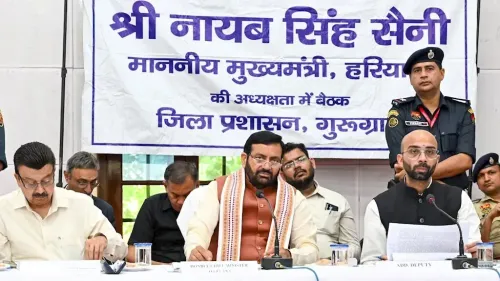
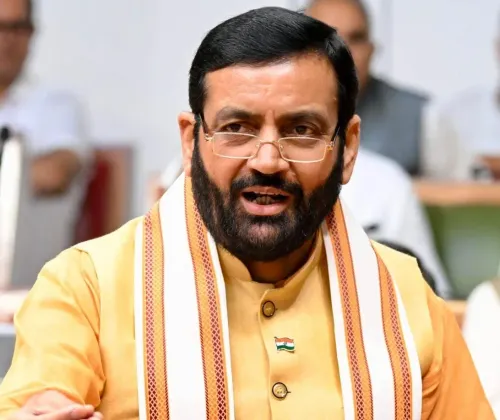
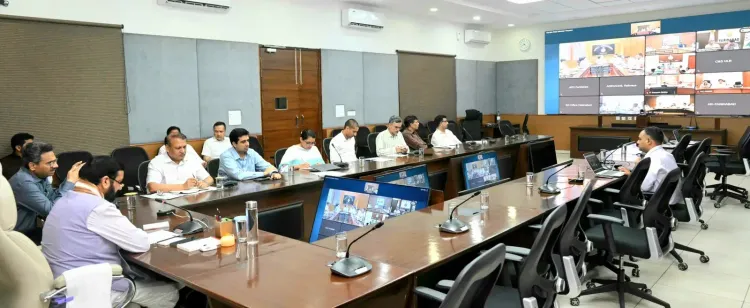
Haryana Chief Minister Nayab Singh Saini on Saturday, 11 July 2026, chaired a high-level review meeting to assess the state's preparedness for the monsoon season, issuing directives to officials across departments to ensure all necessary arrangements are in place before the rains intensify.
Context
Posting on X, CM Saini stated: 'aaj mausam ke drishtigat pradeshbhar mein ki gayi taiyariyon ki samiksha' — 'today, a high-level meeting was held to review preparations made across the state in view of the monsoon.' He added that officials have been directed to ensure timely arrangements covering waterlogging, drainage, relief, and rescue operations so that the general public faces no inconvenience during the monsoon period.
The meeting, accompanied by images shared on the post, signals the Haryana government's intent to get ahead of seasonal flooding risks that have historically affected both urban centres and agricultural belts in the state.
Policy Backdrop
Pre-monsoon coordination reviews are a standard governance exercise under the Disaster Management Act, 2005, conducted annually by state administrations each June–July. Haryana has held such reviews across successive governments, coordinating between district administrations, irrigation departments, and state disaster management authorities.
The state is particularly vulnerable to waterlogging in urban hubs such as Gurugram and in districts along the Yamuna and Ghaggar river basins, where drainage infrastructure has struggled to keep pace with urban expansion. These annual reviews are designed to pre-empt the reactive crisis management that has drawn public criticism in past monsoon seasons.
Stakeholders and Impact
The directives issued in the meeting directly concern urban populations susceptible to street and basement flooding, as well as rural and farming communities whose livelihoods depend on controlled water management during heavy rainfall. Timely drainage and rescue readiness can significantly reduce crop damage and property loss.
District-level officials and the Haryana State Disaster Management Authority are the primary implementing bodies. Their coordination with the India Meteorological Department's seasonal forecast will determine how effectively the state translates these directives into on-ground action.
What's Next
The administration's next steps will likely include district-level follow-up inspections, pre-positioning of relief materials, and activation of emergency helplines ahead of peak monsoon weeks. Any fresh alerts from the India Meteorological Department for Haryana or the broader North India region will test whether the preparedness measures announced by CM Saini translate into effective flood mitigation on the ground.
Point of View
Visible executive action on seasonal preparedness carries political weight in a state where urban flooding — particularly in Gurugram — has become a recurring flashpoint. The directive's emphasis on 'timely' arrangements suggests the government is aware that delayed action, rather than the rains themselves, has historically drawn the sharpest public criticism. Whether the directives translate into measurable on-ground improvements will be the real test as the monsoon intensifies.
NationPress
9 Oct 2026
Frequently Asked Questions
Why did Haryana CM Nayab Singh Saini hold a monsoon review meeting?
CM Saini held the meeting on 11 July 2026 to review state-wide monsoon preparedness and direct officials to ensure drainage, waterlogging control, and relief and rescue arrangements are in place before the monsoon peaks.
What issues were addressed in Haryana's pre-monsoon review?
The review covered waterlogging management, drainage systems, and relief and rescue operations, with officials instructed to complete all necessary arrangements in a timely manner.
Which areas of Haryana are most at risk from monsoon flooding?
Urban centres such as Gurugram and districts along the Yamuna and Ghaggar river basins are historically the most vulnerable to waterlogging and flooding during the monsoon season.
Is a pre-monsoon review meeting mandatory for state governments in India?
Pre-monsoon coordination reviews are a standard practice under the Disaster Management Act, 2005, conducted annually by state administrations to coordinate disaster preparedness with district and state authorities.
What happens after Haryana's monsoon preparedness meeting?
Typically, district-level inspections follow, along with pre-positioning of relief materials and activation of emergency helplines. The state disaster management authority coordinates with the India Meteorological Department for real-time alerts.