CM Nayab Saini Reviews Tourism Push Under Swadesh Darshan 2.0
Synopsis
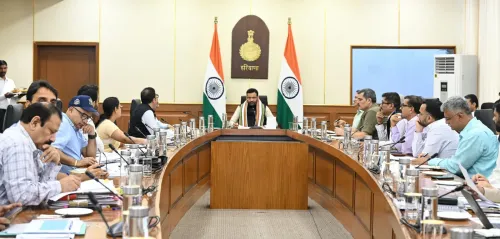
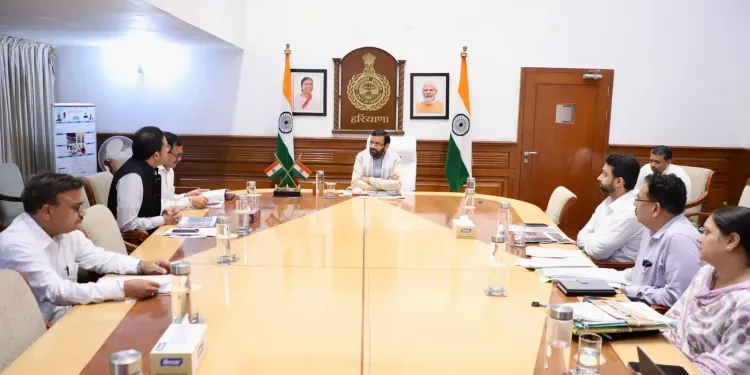
Chief Minister Nayab Singh Saini chaired a meeting on 3 July 2026 to plan tourism upgrades at Pinjore Garden and Tikkar Taal in Morni under the Swadesh Darshan 2.0 scheme, aiming to give new momentum to Haryana's tourism infrastructure.
Key Takeaways
CM Nayab Singh Saini chaired the meeting on 3 July 2026 under the Swadesh Darshan 2.0 framework.
Pinjore Garden , a 17th-century Mughal-era complex in Panchkula , is one of the two sites earmarked for development.
Tikkar Taal in Morni , a natural lake in the Shivalik range , is targeted for eco-tourism infrastructure.
Swadesh Darshan 2.0 guidelines, issued in 2022-23 , emphasise sustainability and destination-level planning.
Haryana previously developed Kurukshetra and Sultanpur under earlier phases of the same scheme.
Next steps include Detailed Project Reports, central fund approval, and tendering for construction works.
The Chief Minister's Office of Haryana announced on Friday, 3 July 2026 that Chief Minister Nayab Singh Saini chaired a high-level meeting focused on tourism development under the Swadesh Darshan 2.0 scheme. The discussions centred on upgrading two key sites — Pinjore Garden in Panchkula district and Tikkar Taal in Morni — as part of a broader push to accelerate the state's tourism infrastructure.
Context
The official post from the Chief Minister's Office stated that the meeting deliberated on developing Pinjore Garden aur Morni ke Tikkar Taal ko paryatan ki drishti se ('Pinjore Garden and Morni's Tikkar Taal from a tourism perspective') and giving 'new momentum to the tourism framework of the state.' The review signals that Haryana is actively positioning these two sites as anchor destinations under the centrally sponsored programme.
Pinjore Garden, a 17th-century Mughal-era complex in Panchkula, already draws visitors for its historic architecture and landscaped terraces. Tikkar Taal, a natural lake nestled in the Shivalik hills near Morni, has been recognised for its eco-tourism potential but has historically lacked organised infrastructure.
Policy Backdrop
The Swadesh Darshan scheme was first launched in 2014-15 by the Union Ministry of Tourism to create theme-based tourist circuits across states. Its successor, Swadesh Darshan 2.0, was rolled out with revised guidelines in 2022-23, shifting emphasis toward destination-level planning, sustainability, and convergence with state government programmes.
Haryana has previously leveraged the earlier phase of the scheme to develop heritage and pilgrimage sites including Kurukshetra and Sultanpur. The current meeting suggests the state is now extending that template to nature and garden tourism clusters in the Panchkula belt.
Stakeholders and Impact
Local tourism operators, homestay owners, and communities in the Morni hills and Pinjore area stand to benefit most directly from upgraded facilities, better road connectivity, and organised visitor management. Improved infrastructure at these sites could also ease pressure on more crowded hill destinations in neighbouring Himachal Pradesh, offering a closer alternative to residents of Chandigarh, Ambala, and the Delhi-NCR region.
Broader stakeholders include the Haryana Tourism Corporation, district administrations of Panchkula, and central Ministry of Tourism officials who must approve and release funds under the scheme framework.
What's Next
Following such review meetings, the standard procedural pathway involves preparation of Detailed Project Reports (DPRs), submission to the Ministry of Tourism for central fund approval, and tendering for on-ground works. Progress on these steps is likely to be reflected in forthcoming state tourism budget announcements or official review updates.
The development of Pinjore Garden and Tikkar Taal under Swadesh Darshan 2.0 could mark a meaningful step in Haryana's effort to diversify its tourism map beyond religious circuits and establish year-round nature and heritage destinations within easy reach of north India's urban centres.
Point of View
Capitalising on proximity to Chandigarh and Delhi-NCR. By anchoring these investments in the Swadesh Darshan 2.0 framework, the state accesses central funding while aligning with the Centre's post-COVID domestic tourism revival agenda. For CM Nayab Saini, who took office in March 2024, visible tourism projects in accessible districts serve both a developmental and a political signalling purpose ahead of future electoral cycles. The choice of two distinct site typologies — a Mughal garden and a Shivalik lake — also suggests an attempt to broaden Haryana's tourism identity beyond its established pilgrimage circuit.
NationPress
2 Oct 2026
Frequently Asked Questions
What is Swadesh Darshan 2.0 and how does it apply to Haryana?
Swadesh Darshan 2.0 is a Union Ministry of Tourism scheme launched with revised guidelines in 2022-23 to develop sustainable, destination-focused tourism infrastructure. Haryana is using it to fund upgrades at Pinjore Garden and Tikkar Taal in Morni, following earlier developments at Kurukshetra and Sultanpur under the scheme's first phase.
Where is Tikkar Taal and why is it significant for tourism?
Tikkar Taal is a natural lake located in the Morni hills of Panchkula district, Haryana, within the Shivalik range. It is considered a promising eco-tourism destination due to its scenic landscape, but has lacked organised visitor infrastructure, which the current development plan aims to address.
What is Pinjore Garden and what makes it a tourism site?
Pinjore Garden, also known as Yadavindra Gardens, is a 17th-century Mughal-era terraced garden complex in Panchkula district, Haryana. It features historic architecture, fountains, and landscaped grounds, making it an established heritage tourism attraction that the government now plans to further develop.
Who is Nayab Singh Saini and what is his role in Haryana tourism?
Nayab Singh Saini is the Chief Minister of Haryana, sworn in during March 2024. As CM, he chairs key policy meetings including the 3 July 2026 review that set the direction for tourism development at Pinjore Garden and Tikkar Taal under Swadesh Darshan 2.0.
What are the next steps after the Haryana tourism review meeting?
After such a review, the standard process involves preparing Detailed Project Reports for both sites, seeking approval and fund releases from the Union Ministry of Tourism under Swadesh Darshan 2.0, and then tendering for construction and amenity development works at Pinjore Garden and Tikkar Taal.