CM Nayab Saini Announces Tourism Push on World Environment Day
Synopsis
Haryana Chief Minister Nayab Singh Saini marked World Environment Day on 5 June 2026 with tourism-focused announcements for the state, framing conservation and sustainable economic development as complementary goals for Haryana.
Key Takeaways
Haryana Chief Minister Nayab Singh Saini made tourism-related announcements on World Environment Day, 5 June 2026 .
The announcement was shared via video on his official X account, indicating a formal presentation of initiatives.
The move aligns with a national pattern of Indian states using environmental observance days for policy signalling on sustainable development.
Haryana has previously promoted eco-tourism at sites including Sultanpur Bird Sanctuary , a Ramsar-designated wetland.
Implementation details — including budget allocations and scheme notifications — are yet to be made public.
Tourism industry operators, local communities, and conservation bodies are the primary stakeholders to watch.
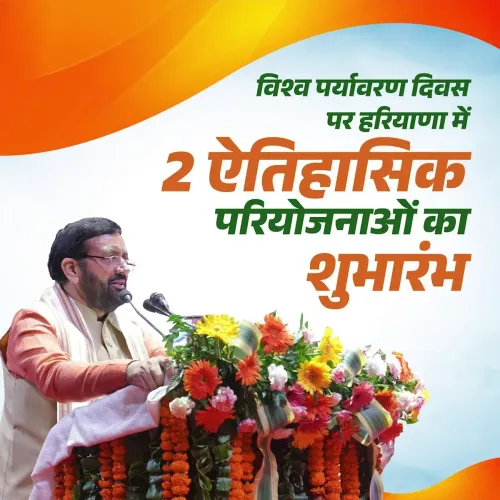
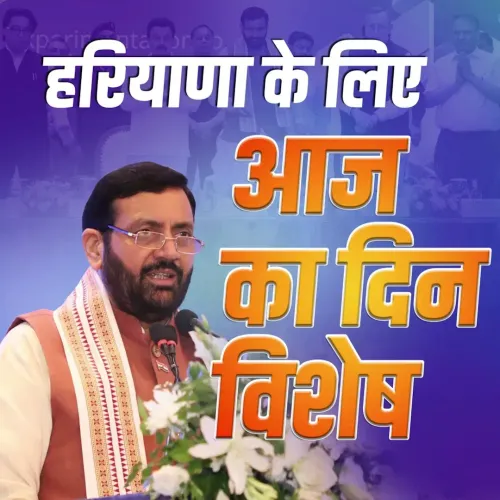
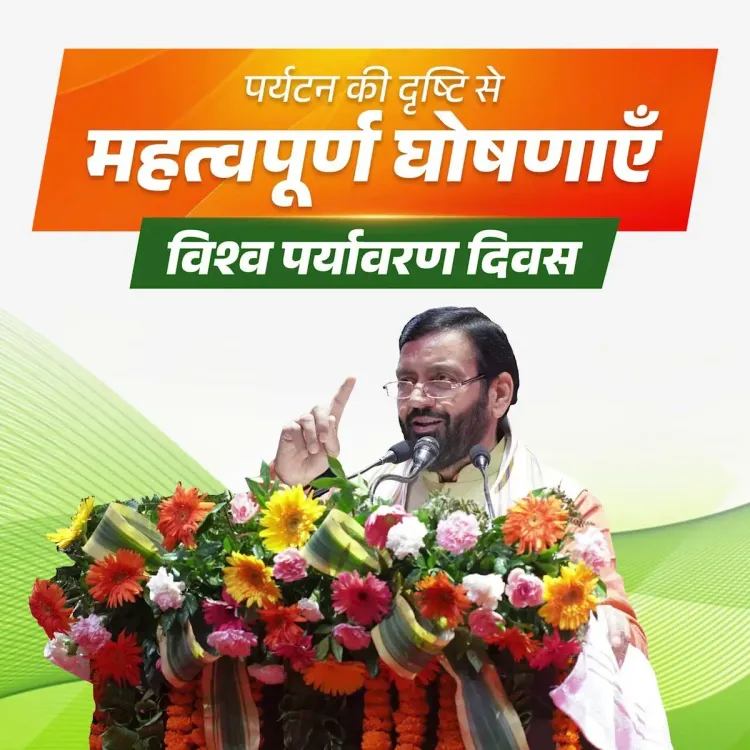
Haryana Chief Minister Nayab Singh Saini on Friday, 5 June 2026 marked World Environment Day by unveiling a set of tourism-focused announcements for the state, signalling the government's intent to link environmental conservation with sustainable economic development.
Context
The Chief Minister's post, shared on his official X handle, was captioned in Hindi: 'Vishwa Paryavaran Diwas ke avsar par Haryana mein paryatan ki drishti se mahatvapurn ghoshanayen' — translated as 'Important announcements from a tourism perspective in Haryana on the occasion of World Environment Day.' The announcement was accompanied by a video, suggesting a formal address or visual presentation of the initiatives.
World Environment Day, observed every year on 5 June under the United Nations Environment Programme, has been marked in India since 1974. It serves as a globally recognised platform for governments to articulate conservation commitments and sustainability goals.
Policy Backdrop
Indian states have increasingly used World Environment Day as a platform for region-specific policy signalling, particularly where conservation goals intersect with economic sectors. Haryana has a history of promoting eco-tourism at sites such as Sultanpur Bird Sanctuary, a Ramsar-designated wetland that attracts both domestic and international birdwatchers.
The broader national pattern reflects a push toward sustainable tourism as a dual lever — generating local livelihoods while incentivising the protection of natural habitats. Announcements made on symbolic environmental dates are typically followed up in state budget allocations or tourism policy revisions.
Stakeholders and Impact
The tourism industry in Haryana stands as a primary beneficiary of any new policy framework, particularly operators, hospitality businesses, and local communities in ecologically sensitive zones. Community stakeholders near wildlife corridors and wetland areas are likely to be directly affected by how the announced initiatives are structured and funded.
Environmental advocates and conservation bodies will be watching whether the tourism push incorporates enforceable ecological safeguards or remains primarily an economic development signal. The balance between visitor footfall and habitat preservation is a recurring tension in India's eco-tourism policy discourse.
What's Next
The key test for these announcements will be their translation into concrete policy instruments — whether through dedicated budget lines in the next state financial cycle, formal scheme notifications, or amendments to the Haryana Tourism Policy. Observers and industry stakeholders are expected to await detailed scheme guidelines that would specify eligible sites, funding mechanisms, and environmental compliance norms.
As Haryana positions itself as a destination for nature-based tourism within the National Capital Region's extended travel circuit, the announcements made on 5 June 2026 could mark a meaningful step — provided implementation follows the political signal.
Point of View
Lending them visibility and a veneer of international alignment. The real political test, however, lies downstream: whether the announcements harden into funded schemes or remain aspirational signals. In a state that borders the National Capital Region and competes for weekend tourism with Rajasthan and Uttarakhand, a credible eco-tourism push could carry genuine electoral and economic dividends.
NationPress
19 Sept 2026
Frequently Asked Questions
What did Haryana CM Nayab Saini announce on World Environment Day 2026?
Haryana Chief Minister Nayab Singh Saini announced tourism-focused initiatives for the state on World Environment Day, 5 June 2026, framing them as significant from a tourism perspective, though detailed scheme specifics are yet to be publicly released.
When is World Environment Day observed and why?
World Environment Day is observed every year on 5 June under the United Nations Environment Programme. India has participated in this global observance since 1974 to promote environmental awareness and policy action.
What eco-tourism sites does Haryana have?
Haryana is home to notable eco-tourism destinations including Sultanpur Bird Sanctuary, a Ramsar-designated wetland near Gurugram that attracts domestic and international birdwatchers, among other wildlife and nature reserves.
How does Haryana's tourism announcement connect to environmental policy?
Indian states frequently use World Environment Day to signal policy directions that link conservation with economic sectors like tourism. Haryana's announcement follows this pattern, positioning sustainable tourism as a vehicle for both ecological protection and local livelihood generation.
What should we watch for after Nayab Saini's tourism announcements?
Key indicators to watch include formal scheme notifications, budget allocations in the next Haryana state financial cycle, and any amendments to the Haryana Tourism Policy that reflect the environmental and tourism goals outlined in the 5 June 2026 announcement.