CM Nayab Saini Attends World Environment Day Event at AYUSH Varsity
Synopsis
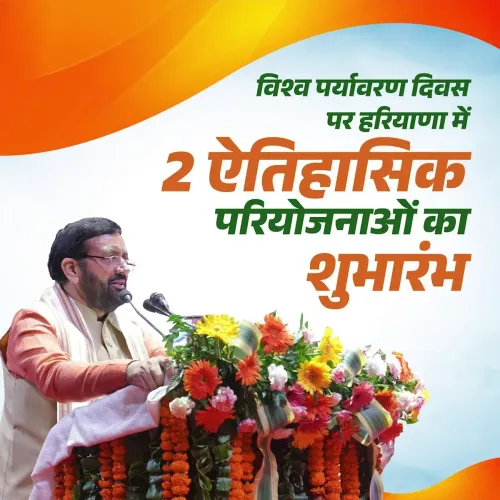
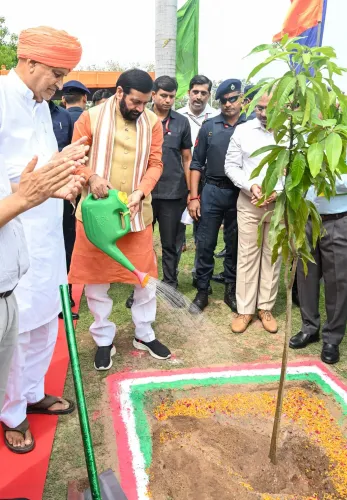
Haryana Chief Minister Nayab Singh Saini attended a World Environment Day ceremony at Shri Krishna AYUSH University in Kurukshetra on 5 June 2026, reinforcing the state's pattern of pairing traditional knowledge institutions with national environmental observances.
Key Takeaways
Haryana Chief Minister Nayab Singh Saini participated in a World Environment Day event at Shri Krishna AYUSH University, Kurukshetra on 5 June 2026 .
Shri Krishna AYUSH University was established by the Haryana government through legislation in 2020 to advance education in Ayurveda, Yoga, Unani, Siddha, and Homeopathy.
Haryana has held annual World Environment Day institutional programmes since at least 2015 , linking plantation and pollution control drives with state bodies.
The event reflects a broader national pattern of integrating traditional knowledge systems into sustainability and environmental messaging at the institutional level.
Potential follow-up actions include new MoUs between the AYUSH university and Haryana's forest or pollution control departments in the upcoming legislative session.
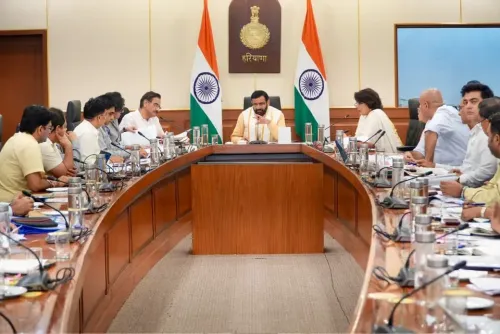
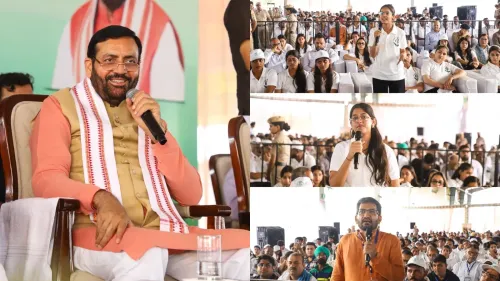
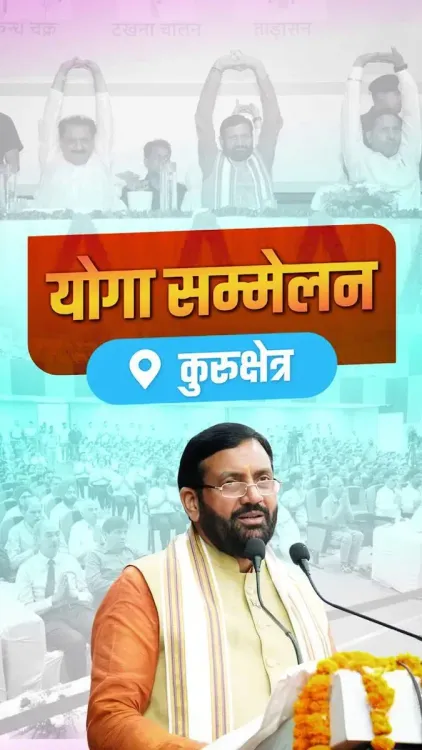
Haryana Chief Minister Nayab Singh Saini participated in a World Environment Day celebration held at Shri Krishna AYUSH University in Kurukshetra on Saturday, 5 June 2026. The event, organised on the university campus, brought together students and faculty of the state's premier traditional medicine institution for the annual UN-designated observance.
Context
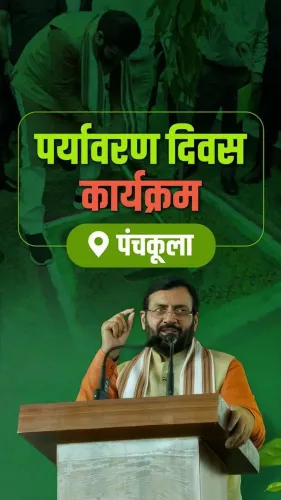
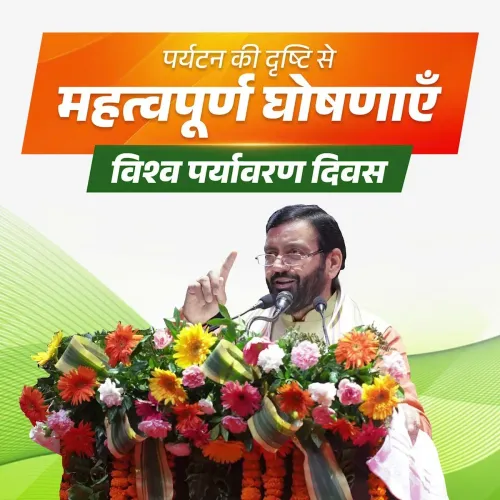
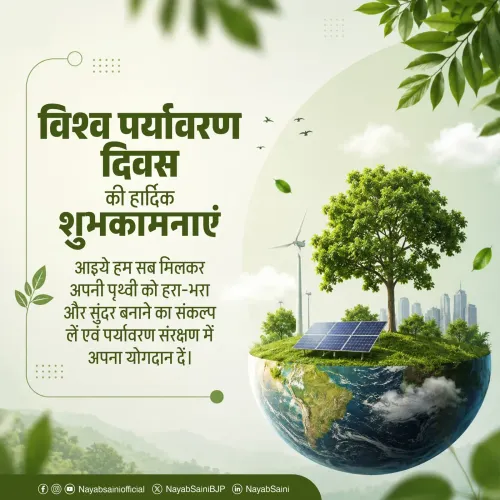
World Environment Day, observed every year on 5 June, is the United Nations' principal platform for raising global environmental awareness and driving action. Chief Minister Saini, who took office in March 2024 succeeding Manohar Lal Khattar, shared a post on X referencing the ceremony — 'श्री कृष्ण आयुष विश्वविद्यालय (कुरुक्षेत्र) में विश्व पर्यावरण दिवस पर आयोजित समारोह' ('A ceremony organised on the occasion of World Environment Day at Shri Krishna AYUSH University, Kurukshetra') — along with a video from the event.
The choice of an AYUSH university as the venue underscores a deliberate pairing of traditional knowledge systems with environmental messaging, a pattern that has been visible across Haryana's institutional calendar for over a decade.
Policy Backdrop
Shri Krishna AYUSH University was established by the Haryana government through legislation in 2020 to consolidate and expand education and research in Ayurveda, Yoga, Unani, Siddha, and Homeopathy. Kurukshetra, a historically and culturally significant city in Haryana, hosts the university alongside several other major educational and religious institutions.
Haryana administrations have run annual World Environment Day programmes since at least 2015, linking plantation drives and pollution control initiatives with state institutions. The post-2014 central government emphasis on integrating traditional knowledge systems into sustainability messaging has given added resonance to events of this nature at AYUSH campuses.
Stakeholders and Impact
The primary beneficiaries of such institutional events are AYUSH students and faculty at the university, as well as residents of Kurukshetra and surrounding areas who engage with the campus. For students of Ayurveda and allied sciences, the convergence of ecological awareness with their curriculum reinforces the interdependence of human health and environmental health — a foundational principle in traditional Indian medicine.
Broader state-level stakeholders include Haryana's forest department and pollution control authorities, whose programmes are often aligned with such high-visibility observances to amplify reach and institutional participation.
What's Next
Observers will watch for any follow-up policy moves, such as new memoranda of understanding between Shri Krishna AYUSH University and Haryana's forest or pollution control departments, in the next legislative session. State budget allocations directed at green infrastructure on AYUSH campuses would signal a deeper institutional commitment beyond ceremonial observances.
As Haryana continues to position itself at the intersection of traditional medicine and modern governance priorities, events like this one serve as visible markers of the state's intent to mainstream environmental consciousness through its educational institutions.
Point of View
The Haryana government signals a policy convergence between ecological sustainability and the AYUSH health agenda. This approach also serves a political function: it elevates the visibility of a relatively young state university while associating the ruling dispensation with both green credentials and cultural heritage. The real test will be whether ceremonial participation translates into budgetary or regulatory commitments in the months ahead.
NationPress
23 Oct 2026
Frequently Asked Questions
Why did CM Nayab Saini attend an event at AYUSH University on World Environment Day?
Chief Minister Nayab Singh Saini attended the World Environment Day ceremony at Shri Krishna AYUSH University in Kurukshetra as part of Haryana's long-standing practice of organising institutional observances on 5 June, linking environmental awareness with state universities and research bodies.
What is Shri Krishna AYUSH University in Kurukshetra?
Shri Krishna AYUSH University is a state university established by the Haryana government in 2020, located in Kurukshetra, that provides education and research in Ayurveda, Yoga, Unani, Siddha, and Homeopathy.
When is World Environment Day observed?
World Environment Day is observed annually on 5 June and is designated by the United Nations as its principal platform for promoting global environmental awareness and action.
Who is Nayab Singh Saini?
Nayab Singh Saini is the Chief Minister of Haryana and a BJP leader who took office in March 2024, succeeding Manohar Lal Khattar.
What environmental programmes does the Haryana government run?
The Haryana government has conducted annual World Environment Day programmes since at least 2015, typically involving plantation drives, pollution control initiatives, and institutional events at universities and government bodies across the state.