CM Saini Plants Saplings, Launches Cloth-Bag Vending Machine on World Environment Day
Synopsis
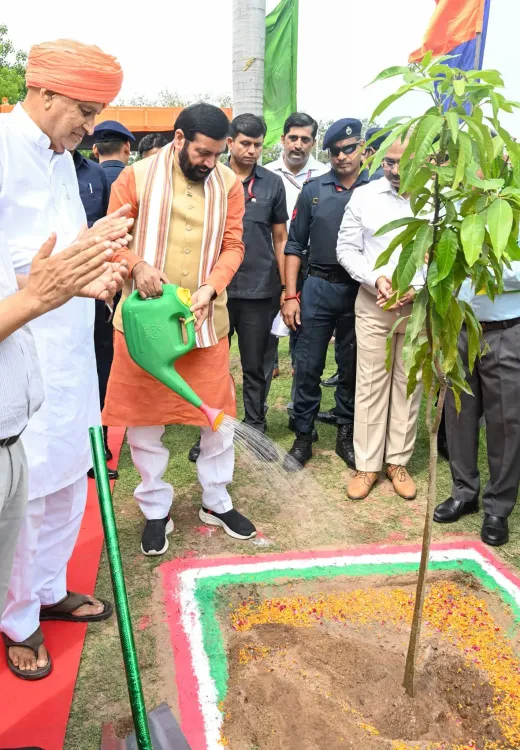
Haryana Chief Minister Nayab Singh Saini planted saplings and highlighted a Cloth Bag Vending Machine scheme at a World Environment Day event in Panchkula on 5 June 2026, urging citizens to embrace environment-friendly lifestyles and join collective conservation efforts.
Key Takeaways
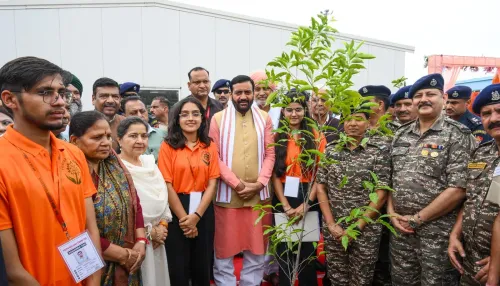
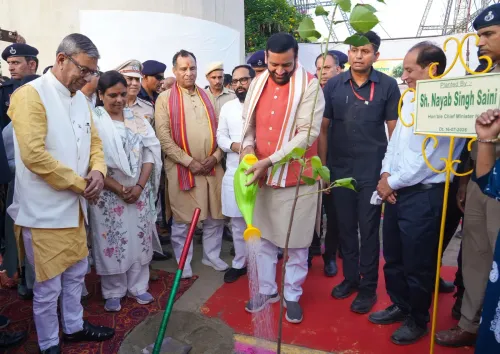
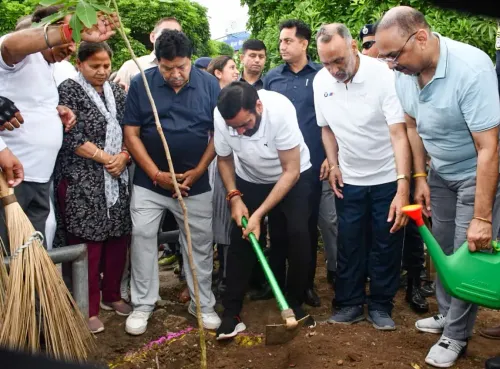
CM Nayab Singh Saini participated in a tree-plantation drive in Panchkula on World Environment Day, 5 June 2026 .
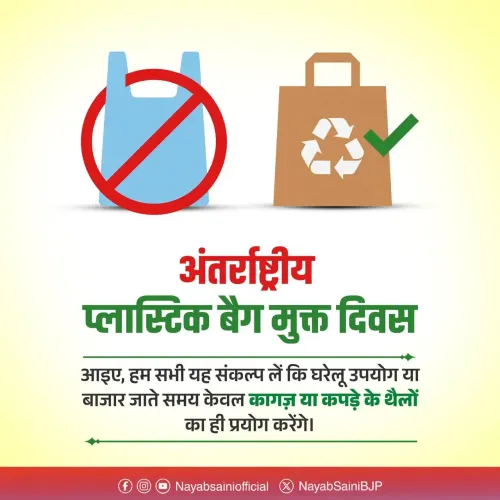
The Cloth Bag Vending Machine initiative dispenses reusable bags to reduce single-use plastic consumption at the consumer level.
The scheme aligns with India's nationwide ban on identified single-use plastic items, effective 1 July 2022 .
Haryana's State Action Plan on Climate Change , first adopted in 2011 , underpins the state's afforestation and waste-reduction targets.
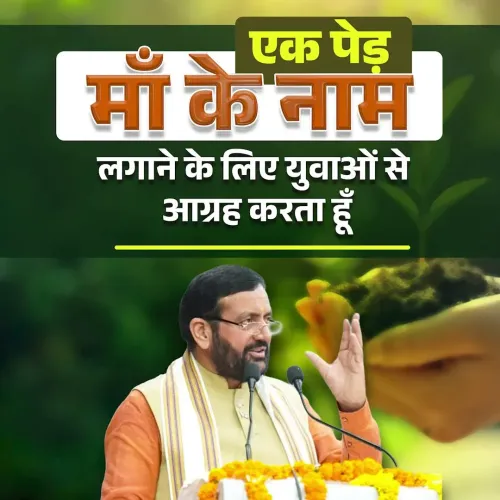
CM Saini called on every citizen to raise awareness and collectively work toward environmental conservation.
Possible expansion of the vending-machine pilot to additional Haryana districts is being watched as a next step.
Haryana Chief Minister Nayab Singh Saini participated in a tree-plantation drive and unveiled a 'Cloth Bag Vending Machine' initiative at a state-organised event in Panchkula on Friday, 5 June 2026, marking World Environment Day. The Chief Minister described the gesture as a small but meaningful effort to fulfil his responsibility toward nature, and called on every citizen to join the cause of environmental protection.
Context
Posting on X, CM Saini wrote: 'aaj Panchkula mein Vishwa Paryavaran Divas 2026 ke avsar par aayojit karyakram mein paudharopan kar prakriti ke prati apne dayitva ke nirvahan ka ek chhota-sa prayas kiya' ['Today, at the event organised on the occasion of World Environment Day 2026 in Panchkula, I made a small attempt to fulfil my responsibility toward nature by planting saplings.']. He added that initiatives like the 'Cloth Bag Vending Machine' are useful in reducing plastic use and promoting an environment-friendly lifestyle, and that environmental conservation is extremely important for the future.
World Environment Day is observed every year on 5 June under the coordination of the United Nations Environment Programme (UNEP) since 1974. Panchkula, a planned city adjacent to Chandigarh, regularly serves as the venue for Haryana government flagship events.
Policy Backdrop
The Cloth Bag Vending Machine is a Haryana government initiative designed to dispense reusable cloth bags and reduce dependence on single-use plastic carry bags at the consumer level. The pilot aligns with the nationwide ban on identified single-use plastic items that came into force on 1 July 2022 under the Environment Protection Act, as well as the Plastic Waste Management Rules, 2016.
Haryana first adopted its State Action Plan on Climate Change in 2011, subsequently updating it with afforestation and waste-reduction targets. The state has progressively linked local schemes to central missions including Swachh Bharat, and the vending-machine pilot represents a technology-driven addition to that policy lineage.
Stakeholders and Impact
Urban residents and municipal bodies in Haryana are the primary stakeholders of the cloth-bag vending machine programme. By placing dispensing machines in accessible public locations, the initiative aims to make the switch from plastic to reusable bags convenient for everyday consumers, lowering the behavioural barrier that often undermines plastic-reduction rules.
Tree-plantation drives on World Environment Day are a standard practice across Indian states to demonstrate progress against national environmental targets. CM Saini's participation signals the state government's intent to keep environmental compliance visible at the highest executive level.
What's Next
Attention will now turn to whether the Cloth Bag Vending Machine pilot is expanded beyond Panchkula to other districts across Haryana. Any new plastic-reduction rules or budgetary commitments announced in the state assembly session later in 2026 will indicate how far the government intends to scale the initiative.
If the vending-machine model proves effective in changing consumer behaviour in an urban setting like Panchkula, it could become a template for other Indian states seeking low-cost, technology-assisted compliance with the single-use plastic ban.
Point of View
Coming four years into the national single-use plastic ban when state-level enforcement optics still matter. The Cloth Bag Vending Machine pilot is notable as a demand-side intervention — nudging consumer behaviour through convenience rather than relying solely on regulatory penalties. Positioning such a scheme alongside a high-visibility occasion like World Environment Day maximises public awareness at minimal additional cost. Whether the pilot scales meaningfully across Haryana's districts will be the real test of the government's commitment beyond ceremonial gestures.
NationPress
20 Oct 2026
Frequently Asked Questions
What is the Cloth Bag Vending Machine initiative in Haryana?
The Cloth Bag Vending Machine is a Haryana government scheme that dispenses reusable cloth bags to the public, aiming to reduce single-use plastic carry-bag consumption and encourage environment-friendly consumer habits.
Where did CM Nayab Singh Saini plant saplings on World Environment Day 2026?
CM Nayab Singh Saini planted saplings at a state-organised event in Panchkula, Haryana, on 5 June 2026 as part of World Environment Day celebrations.
When did India ban single-use plastic items?
India's nationwide ban on identified single-use plastic items came into effect on 1 July 2022 under the Environment Protection Act, building on the Plastic Waste Management Rules notified in 2016.
What is World Environment Day and when is it observed?
World Environment Day is an annual global observance on 5 June, coordinated by the United Nations Environment Programme (UNEP) since 1974, to promote awareness and action on environmental issues.
What is Haryana's State Action Plan on Climate Change?
Haryana's State Action Plan on Climate Change was first adopted in 2011 and has since been updated with specific afforestation and waste-reduction targets to align the state with national and international climate commitments.