CM Nayab Saini Plants Saplings Under Swachhata Se Swagat Drive in Jind
Synopsis
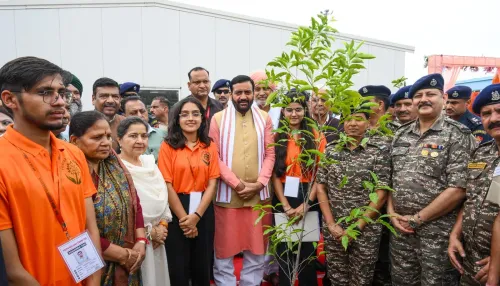
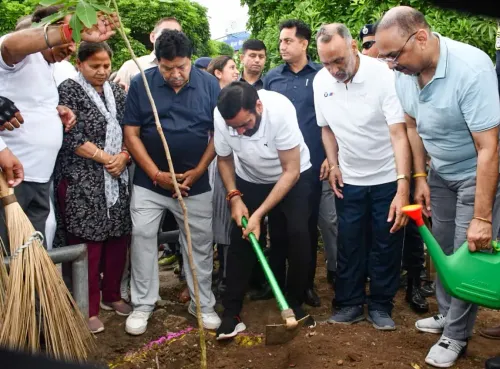
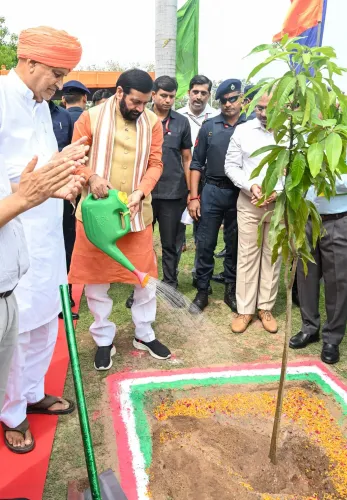
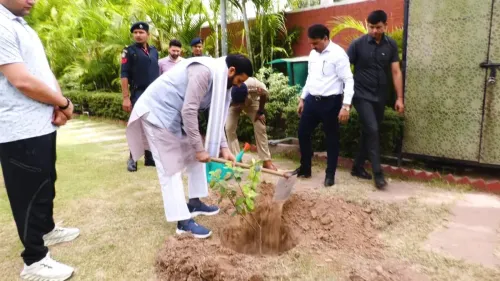
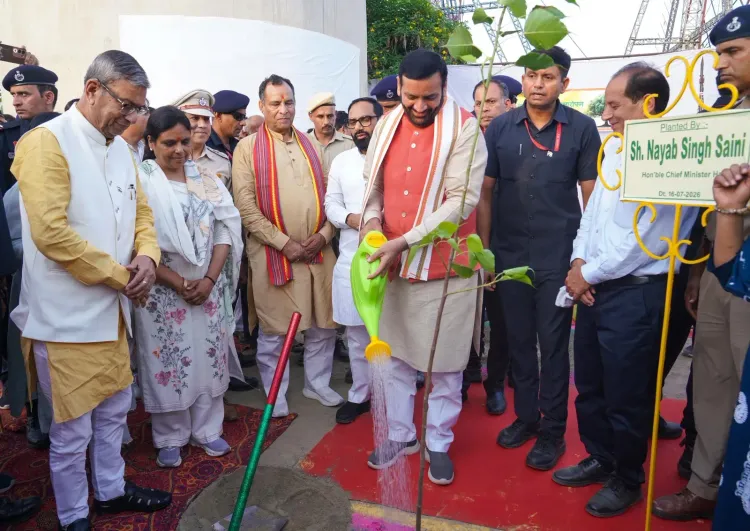
Chief Minister Nayab Saini planted saplings at the Jind PWD Rest House on 16 July 2026 under Haryana's 'Swachhata Se Swagat' campaign, calling on citizens to make cleanliness and tree-plantation a people's movement toward a greener Haryana.
Key Takeaways
CM Nayab Singh Saini personally participated in a tree-plantation drive at the Jind PWD Rest House on 16 July 2026 .
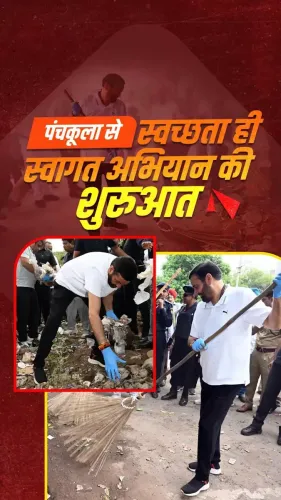
The event was held under the 'Swachhata Se Swagat' special cleanliness campaign, a Haryana state initiative linking sanitation with afforestation.
Saini renewed the government's pledge to build a clean, green, and environment-friendly Haryana .
He called for cleanliness and tree-plantation to be made a jan andolan — a broad-based people's movement.
The campaign draws on the framework of the national Swachh Bharat Mission , launched in 2014 .
District-level rollout and future budget allocations will determine whether the initiative scales beyond symbolic events.
The Chief Minister's Office of Haryana announced on Thursday, 16 July 2026 that Chief Minister Nayab Singh Saini participated in a tree-plantation drive at the Jind PWD Rest House under the state's 'Swachhata Se Swagat' (Cleanliness as Welcome) special sanitation campaign, reaffirming the government's commitment to building a clean, green, and environment-friendly Haryana.
Context
The post from the official Chief Minister's Office handle states that CM Saini planted saplings at the Jind PWD Rest House as part of the 'Swachhata Se Swagat' special cleanliness drive, renewing the pledge for a 'swachh, harit evam paryavaran-anukool Haryana' (clean, green and environment-friendly Haryana). On the occasion, he also called upon citizens to make cleanliness and tree-plantation a jan andolan — a people's movement.
Jind, a district in central Haryana, hosts key administrative infrastructure including PWD rest houses that serve as venues for official government events and public outreach programmes. The choice of a public facility as the site for the drive underscores the campaign's focus on hygiene and greenery at government-managed spaces.
Policy Backdrop
The 'Swachhata Se Swagat' campaign is a Haryana state initiative that links sanitation drives at public facilities with tree-plantation goals, drawing its framework from the Swachh Bharat Mission launched nationally in 2014. The national mission provided states with targets and funding structures that Haryana has channelled into district-level drives over the past decade.
Nayab Singh Saini, a BJP leader who became Chief Minister of Haryana in March 2024 succeeding Manohar Lal Khattar, has continued the state's alignment with central government environmental messaging. Haryana governments have periodically combined Swachh Bharat objectives with state afforestation goals, typically staging such events at public facilities and led by senior leadership to signal political commitment.
Stakeholders and Impact
The campaign's primary audience is Haryana's residents and district administration machinery, who are being called upon to participate in what the Chief Minister is framing as a grassroots civic movement. By conducting the drive at a PWD rest house, the government signals that public infrastructure itself must model the cleanliness and green-cover standards it promotes.
Broader beneficiaries include urban and semi-urban communities in districts like Jind, where sanitation rankings and green cover have been subjects of state-level policy attention. Citizen participation, if mobilised at scale, could contribute to Haryana's afforestation targets and improve its standing in national cleanliness indices.
What's Next
Observers will watch for district-level rollout reports of the 'Swachhata Se Swagat' campaign to gauge whether the Jind event marks the beginning of a structured state-wide drive or remains a standalone symbolic gesture. Any revision of plantation targets in the next Haryana budget session would signal whether this initiative is backed by legislative and financial commitment. The Chief Minister's call to make the drive a jan andolan suggests the government intends to expand community participation beyond official events.
Point of View
Symbolically charged environmental events to reinforce alignment with central government priorities like the Swachh Bharat Mission. Staging the drive at a PWD rest house — a public facility — carries a deliberate message that government infrastructure must lead by example. However, without disclosed plantation targets, budget commitments, or district rollout timelines, the event risks being read as political optics rather than substantive policy action. The call for a 'jan andolan' is politically resonant but will require institutional follow-through to distinguish this campaign from earlier, similar drives that did not produce measurable long-term outcomes.
NationPress
15 Oct 2026
Frequently Asked Questions
What is the Swachhata Se Swagat campaign in Haryana?
'Swachhata Se Swagat' is a Haryana state cleanliness campaign that promotes hygiene at public facilities and links sanitation drives with tree-plantation, drawing on the framework of the national Swachh Bharat Mission launched in 2014.
Why did CM Nayab Saini plant trees at Jind PWD Rest House?
CM Nayab Saini planted saplings at the Jind PWD Rest House on 16 July 2026 as part of the 'Swachhata Se Swagat' special cleanliness campaign, reaffirming the Haryana government's commitment to a clean and green environment.
Who is Nayab Saini and when did he become Haryana CM?
Nayab Singh Saini is a BJP leader who became Chief Minister of Haryana in March 2024, succeeding Manohar Lal Khattar.
What is a jan andolan and why did CM Saini invoke it?
'Jan andolan' means a people's movement. CM Saini used the term to call on citizens to participate actively in cleanliness and tree-plantation drives, framing environmental action as a civic responsibility beyond government programmes.
How does Haryana's cleanliness campaign connect to national policy?
Haryana's district-level cleanliness and plantation drives are aligned with the Swachh Bharat Mission, the national sanitation initiative launched in 2014, which provides states with targets and a broader policy framework for hygiene and green-cover improvement.