CM Sawant Launches Banyan Tree Drive on Vat Pournima
Synopsis
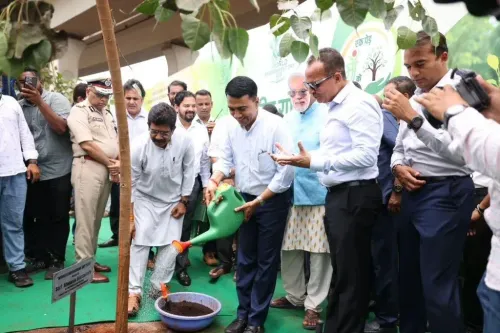
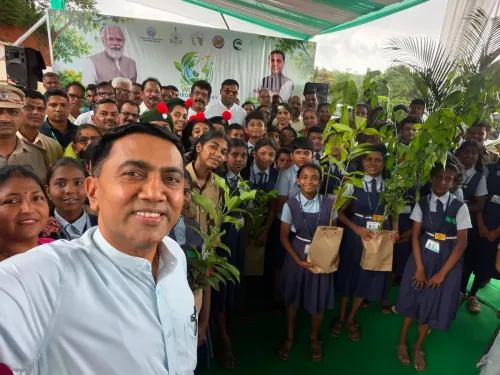
Goa Chief Minister Pramod Sawant launched a Banyan Tree Plantation Drive at Malar Diwadi on Vat Pournima under the Green Goa, Clean Goa initiative. The Goa State Biodiversity Board will distribute saplings to Village Panchayats with a target of one banyan tree per village across the state.
Key Takeaways
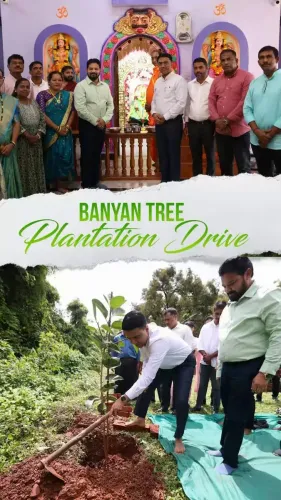
CM Pramod Sawant launched the drive at Shri Bhavika Devi Kotareshwar Devasthan, Malar Diwadi on 29 June 2026 .
The initiative falls under the Green Goa, Clean Goa programme and is linked to the national #EkPedMaaKeNaam campaign.
The Goa State Biodiversity Board will distribute banyan saplings to Village Panchayats across the state.
The target is to plant one banyan tree in every village in Goa.
MLA Rajesh Faldessai and other dignitaries were present at the launch event.
CM Sawant appealed to Panchayats, BMC , citizens, and nature enthusiasts to join the plantation movement.
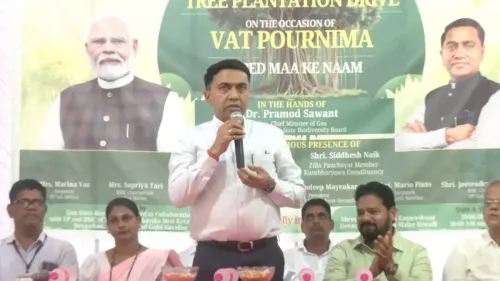
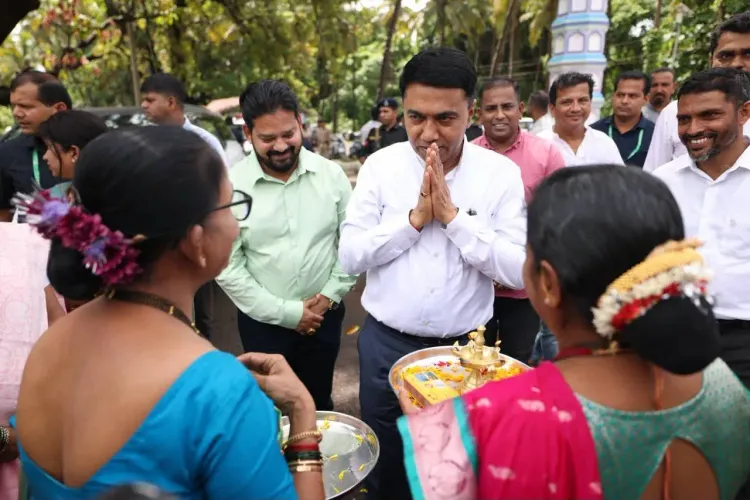
Goa Chief Minister Pramod Sawant on Monday, 29 June 2026 launched a Banyan Tree Plantation Drive at Shri Bhavika Devi Kotareshwar Devasthan, Malar Diwadi, marking the auspicious occasion of Vat Pournima under the state government's Green Goa, Clean Goa initiative. The drive, organised by the Goa State Biodiversity Board, aims to plant one banyan tree in every village across the state, with saplings to be distributed to Village Panchayats.
Context
The launch took place in the presence of MLA Rajesh Faldessai and other dignitaries at the temple premises in Malar Diwadi, Goa. The choice of Vat Pournima — a festival on which women traditionally tie sacred threads around banyan trees — lent cultural and spiritual resonance to the environmental initiative. CM Sawant described the banyan tree as 'sacred to our culture and rich in biodiversity,' calling it a symbol of 'strength, sustainability and environmental balance.'
Policy Backdrop
The Green Goa, Clean Goa initiative is part of the state government's broader environmental agenda aimed at increasing green cover and promoting ecological awareness at the grassroots level. The Goa State Biodiversity Board serves as the nodal agency for biodiversity conservation in the state, and its role in distributing saplings to Village Panchayats anchors this drive within the existing local-governance framework. The campaign also carries the national hashtag #EkPedMaaKeNaam, linking it to the Centre's tree-plantation movement that encourages citizens to plant a tree in their mother's name.
By targeting one banyan tree per village, the drive seeks to create a measurable, verifiable outcome across Goa's panchayat network. The banyan (Ficus benghalensis) is known for its expansive canopy, longevity, and capacity to support diverse ecosystems, making it an ecologically apt choice for a biodiversity-focused programme.
Stakeholders and Impact
CM Sawant's appeal extended to Panchayats, the BMC (Bicholim Municipal Council), citizens, and nature enthusiasts to participate actively in the movement. Village Panchayats are the primary recipients of saplings and will bear responsibility for plantation and upkeep at the local level. If implemented across all of Goa's villages, the drive would result in hundreds of new banyan trees planted in community spaces, temple grounds, and public areas statewide.
The religious framing of the event — held at a temple on Vat Pournima — is likely to encourage community participation beyond the usual environmental-awareness audience, particularly among women who observe the festival. Biodiversity boards across Indian states have increasingly used cultural occasions to mainstream conservation messaging.
What's Next
The Goa State Biodiversity Board is expected to coordinate sapling distribution to Village Panchayats in the coming weeks, with Panchayats responsible for identifying suitable plantation sites. The success of the drive will depend on follow-through at the local-governance level and sustained community engagement beyond the launch event. If the one-tree-per-village target is met, the initiative could serve as a model for culturally anchored conservation drives in other states participating in the #EkPedMaaKeNaam national campaign.
Point of View
Moving it beyond symbolic gesture. Linking the drive to the Centre's #EkPedMaaKeNaam campaign also aligns state optics with the national BJP narrative on environment, reinforcing Sawant's position as a cooperative federalism partner ahead of any upcoming electoral cycle. Whether the Goa State Biodiversity Board has the logistical bandwidth to execute sapling distribution at scale will determine if this launch translates into lasting green cover.
NationPress
28 Sept 2026
Frequently Asked Questions
What is the Green Goa Clean Goa initiative?
Green Goa, Clean Goa is a Goa state government environmental programme aimed at increasing green cover and promoting cleanliness and ecological sustainability across the state, under which the Banyan Tree Plantation Drive was launched on 29 June 2026.
What is the Banyan Tree Plantation Drive in Goa?
The Banyan Tree Plantation Drive is an initiative by the Goa State Biodiversity Board, launched on Vat Pournima 2026, which aims to plant one banyan tree in every village in Goa by distributing saplings to Village Panchayats.
What is Vat Pournima and why is it significant for tree plantation?
Vat Pournima is a Hindu festival on which women traditionally worship and tie sacred threads around banyan trees, praying for the wellbeing of their families. Its cultural association with the banyan tree made it a fitting occasion to launch a banyan-focused plantation drive.
What is #EkPedMaaKeNaam?
#EkPedMaaKeNaam is a national tree-plantation campaign that encourages citizens across India to plant a tree in their mother's name. The Goa Banyan Tree Plantation Drive is linked to this broader national movement.
Who is responsible for distributing saplings under the Goa plantation drive?
The Goa State Biodiversity Board is the nodal agency responsible for distributing banyan saplings to Village Panchayats across Goa under the plantation drive.