CM Sawant Launches 90-Day Tree Drive on World Environment Day
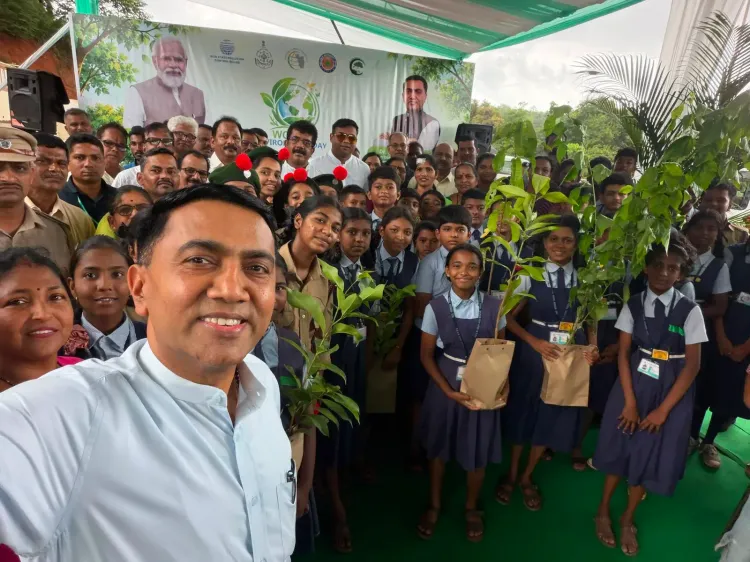
Synopsis
Goa Chief Minister Pramod Sawant launched the 'Harit Goem, Ek Zaad Roi' 90-day tree plantation drive on World Environment Day 2026, starting at Patradevi, Torsem and Mopa. The initiative, inspired by PM Modi's 'Ek Ped Maa Ke Naam' campaign, targets lakhs of trees along NH 66 from Patradevi to Polem to strengthen Goa's green cover.
Key Takeaways
Goa Chief Minister Pramod Sawant launched the Harit Goem, Ek Zaad Roi tree plantation drive on World Environment Day, June 5, 2026 .
The drive begins at Patradevi , Torsem , and Mopa and targets the NH 66 corridor from Patradevi to Polem.
The 90-day initiative aims to plant lakhs of trees along the national highway to strengthen Goa's green cover.
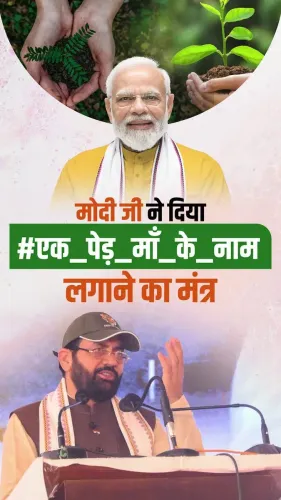
The campaign draws inspiration from Prime Minister Narendra Modi 's national 'Ek Ped Maa Ke Naam' drive, launched on World Environment Day 2024.
The drive aligns with India's broader international commitments on carbon sequestration and biodiversity expansion.
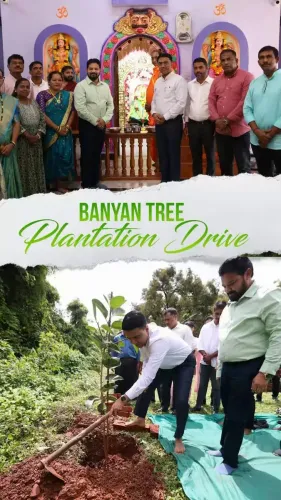
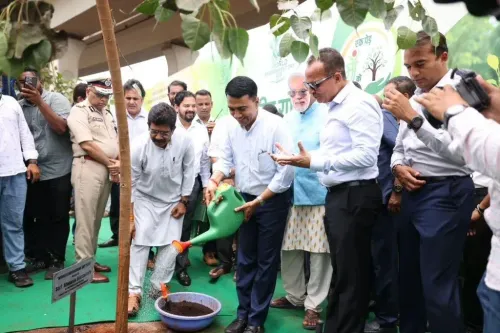
Goa Chief Minister Pramod Sawant on Friday, June 5, 2026 launched a 90-day tree plantation drive titled Harit Goem, Ek Zaad Roi ('Green Goa, Plant One Tree') on the occasion of World Environment Day, beginning from Patradevi, Torsem, and Mopa in the state. The initiative aims to plant lakhs of trees along NH 66 from Patradevi to Polem, targeting a significant expansion of Goa's green cover.
Context
Sawant announced the drive through a post on X, describing it as drawing inspiration from Prime Minister Narendra Modi's national 'Ek Ped Maa Ke Naam' ('One Tree in Mother's Name') campaign. The Goa-specific drive adapts the central campaign's spirit into a localised, time-bound effort focused on a major highway corridor. 'Beginning from Patradevi, Torsem and Mopa, this 90-day plantation drive aims to plant lakhs of trees along the NH 66 from Patradevi to Polem,' Sawant wrote, adding that the effort is aimed at 'strengthening Goa's green cover and environmental sustainability.'
Policy Backdrop
The national 'Ek Ped Maa Ke Naam' campaign was launched by Prime Minister Modi on World Environment Day 2024 to encourage widespread tree plantation as a tribute to mothers and to bolster India's forest and green cover. Several BJP-governed states have since adapted the campaign into localised drives tied to specific infrastructure corridors, community events, or seasonal windows. The Goa drive follows this established pattern, channelling the national campaign's momentum into a state-level, corridor-specific afforestation push along NH 66, one of the key arterial routes running along the western coast of Goa from the Maharashtra border at Patradevi down to Polem near the Karnataka border.
India has committed internationally to expanding its tree and forest cover as part of its climate and carbon sequestration targets. State-level drives of this nature contribute incrementally to those commitments, particularly when anchored to high-visibility infrastructure corridors where sapling survival and monitoring are more tractable.
Stakeholders and Impact
Communities living along NH 66 — spanning the length of coastal Goa — stand to be the primary beneficiaries of the greening effort, with increased tree cover offering shade, air quality improvements, and local biodiversity benefits. The drive's three launch points — Patradevi, Torsem, and Mopa — span the northern reaches of the highway corridor, signalling a phased rollout moving southward toward Polem. State government departments, local panchayats, and citizen volunteers are typically the operational backbone of such plantation campaigns.
What's Next
The 90-day window places the drive's completion in the early monsoon and post-monsoon period, which is conventionally considered optimal for sapling survival in coastal Goa. The critical metric to watch will be actual plantation numbers against the 'lakhs of trees' target and, beyond that, sapling survival rates once the drive concludes. If the NH 66 corridor model demonstrates measurable success, it could serve as a replicable template for other national highway stretches in Goa and potentially be cited by other states undertaking similar campaigns ahead of future environment days.
Point of View
Ek Zaad Roi' is a textbook example of BJP-governed states operationalising central campaign messaging into visible, time-bound state action — reinforcing political alignment between Panaji and New Delhi ahead of any future electoral cycle. By anchoring the drive to NH 66, Sawant ties environmental optics to infrastructure, a corridor that is both economically significant and highly visible to Goa's residents and tourists. The 90-day format introduces accountability, but the real test will come in post-drive audits of sapling survival, where such campaigns have historically faced scrutiny. If Goa can demonstrate credible numbers, it strengthens the state's hand in positioning itself as a model for coastal afforestation under the national campaign framework.
NationPress
20 Oct 2026
Frequently Asked Questions
What is the Harit Goem Ek Zaad Roi drive in Goa?
'Harit Goem, Ek Zaad Roi' means 'Green Goa, Plant One Tree' in Konkani. It is a 90-day tree plantation drive launched by Goa Chief Minister Pramod Sawant on World Environment Day 2026, targeting lakhs of trees along NH 66 from Patradevi to Polem.
Where does the Goa NH 66 tree plantation drive start and end?
The drive begins at three points — Patradevi, Torsem, and Mopa — in northern Goa and covers NH 66 all the way south to Polem, near the Goa-Karnataka border.
What is the 'Ek Ped Maa Ke Naam' campaign?
'Ek Ped Maa Ke Naam' ('One Tree in Mother's Name') is a national tree plantation campaign launched by Prime Minister Narendra Modi on World Environment Day 2024 to encourage widespread planting as a tribute to mothers and to expand India's green cover.
How long is the Goa tree plantation drive?
The drive is 90 days long, launched on June 5, 2026. The monsoon and post-monsoon period covered by this window is considered favourable for sapling survival in coastal Goa.
Why is NH 66 significant for Goa's tree plantation drive?
NH 66 is a major arterial highway running along the length of coastal Goa from the Maharashtra border at Patradevi to the Karnataka border near Polem. Planting trees along this corridor maximises visibility and environmental impact across the state's most-used road.