CM Sawant Launches 10-Lakh Tree Drive for Green Goa
Synopsis
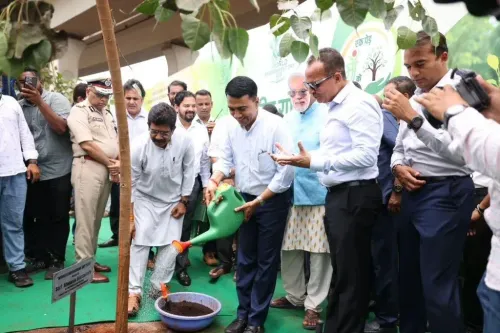
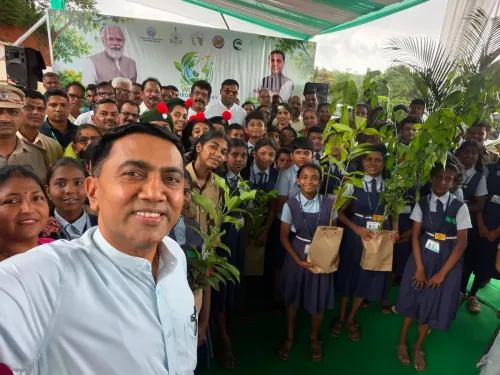
Goa Chief Minister Pramod Sawant launched the 90-day 'Green Goa, Clean Goa' campaign on 6 June 2026, targeting nearly 10 lakh tree plantations by 5 September. The drive, inspired by PM Modi's Ek Ped Maa Ke Naam initiative, also includes the Green NH66 Mission to green the Patradevi-Canacona highway corridor.
Key Takeaways
Goa CM Pramod Sawant virtually launched the Green Goa, Clean Goa campaign on 6 June 2026 .
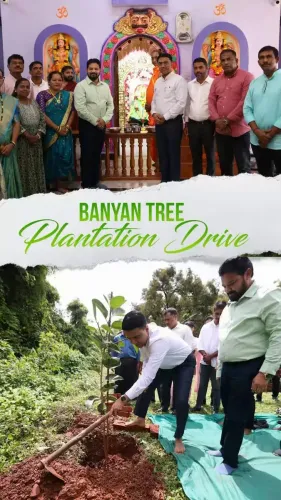
The campaign targets planting nearly 10 lakh trees across Goa between 5 June and 5 September 2026 .
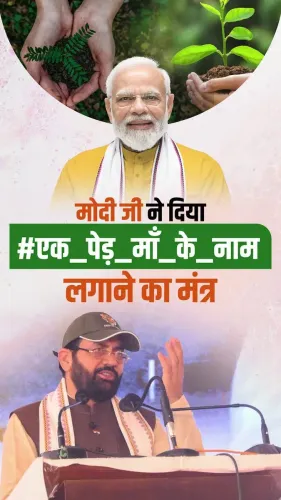
The drive is aligned with PM Narendra Modi 's central Ek Ped Maa Ke Naam initiative launched in 2024.
The Green NH66 Mission aims to convert the Patradevi to Canacona stretch into a green corridor via roadside plantations.
Swayampurna Mitras , nodal officers, and panchayat representatives are the primary grassroots mobilisers for the campaign.
Goa Chief Minister Pramod Sawant on Saturday, 6 June 2026, virtually engaged with Swayampurna Mitras, nodal officers, panchayat representatives, and grassroots functionaries to kick off the 90-day Green Goa, Clean Goa campaign — a state-level initiative aligned with Prime Minister Narendra Modi's Ek Ped Maa Ke Naam (One Tree in Mother's Name) drive.
Context
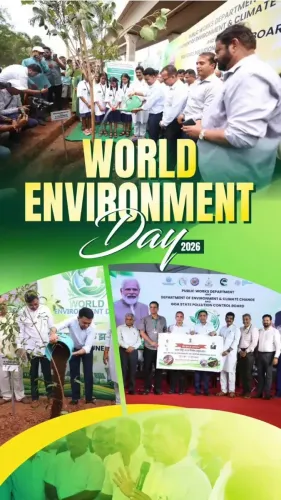
Sawant announced a target of planting nearly 10 lakh trees across Goa between 5 June and 5 September 2026, coinciding with World Environment Day and running through the monsoon planting season. The campaign, known in Konkani as Harit Goem, Ek Zaad Roi ('Green Goa, Plant One Tree'), is designed to mobilise mass participation at the village and panchayat level.
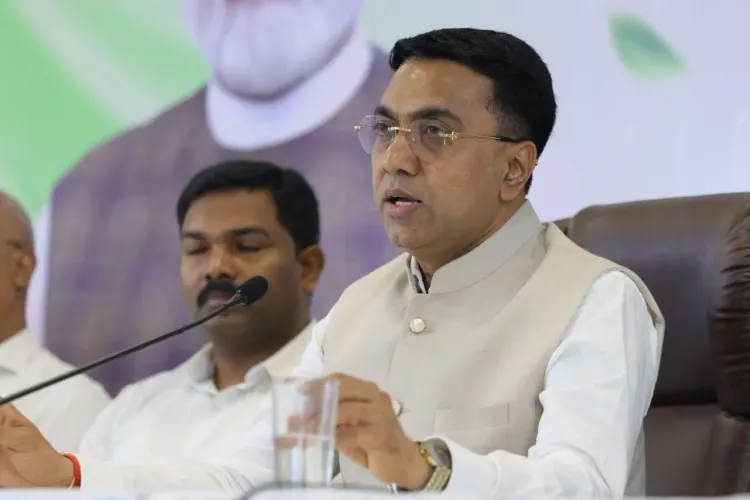
In his virtual address, the Chief Minister underscored 'the collective responsibility of making Goa greener and cleaner through mass participation,' appealing directly to citizens to 'strengthen cleanliness awareness and support the vision of a clean, green and environmentally conscious Goa.'
Policy Backdrop
Prime Minister Modi launched the Ek Ped Maa Ke Naam initiative in 2024 as a nationwide tree-plantation drive, encouraging Indians to plant trees in honour of their mothers. Goa's Green Goa, Clean Goa campaign directly adopts the central scheme's ethos and scales it to a state-specific target, reflecting a broader national pattern of state governments aligning quantified afforestation goals with central environmental mandates.
Goa has previously conducted periodic state afforestation programmes, but the current drive is notable for its explicit linkage to infrastructure greening. Sawant highlighted the Green NH66 Mission, which aims to transform the Patradevi to Canacona stretch of National Highway 66 into a green corridor through large-scale roadside plantation drives — integrating sustainability directly into a key transport artery running along Goa's coast.
Stakeholders and Impact
Swayampurna Mitras — community-level functionaries central to Goa's self-reliance governance model — have been designated as key mobilisers alongside panchayat bodies and nodal officers. Their involvement signals an intent to embed the campaign within existing rural governance structures rather than running it as a standalone departmental exercise.
For Goa's tourism-dependent coastal economy, afforestation along NH66 carries dual significance: ecological buffering of a biodiversity-sensitive coastline and aesthetic enhancement of a highway that serves as the spine of tourist movement from the Maharashtra border at Patradevi to the southern tip at Canacona. Coastal states across India have increasingly combined afforestation with cleanliness messaging to balance tourism pressures against environmental obligations.
What's Next
The campaign runs until 5 September 2026, after which plantation survival rates and official progress reports will be the key metrics to watch. The Green NH66 Mission's scale and any central funding linkages for sustaining the corridor are expected to become clearer as the monsoon season progresses.
If the 10-lakh-tree target is met and independently verified, it would mark one of Goa's most ambitious single-season afforestation efforts and could serve as a template for other small coastal states seeking to align local green missions with national environmental campaigns.
Point of View
Thereby reinforcing BJP's ecological branding while mobilising panchayat-level networks ahead of the post-monsoon period. The Green NH66 Mission is the more structurally significant element — highway greening ties afforestation to visible infrastructure, making progress easier to photograph and harder to dispute. The 10-lakh-tree target is ambitious for a small state, and the real test will be survival-rate audits after September 5, not the planting numbers alone. Coastal states that successfully blend tourism optics with measurable ecological outcomes tend to attract central green-funding pipelines, giving Goa an incentive beyond symbolism.
NationPress
21 Oct 2026
Frequently Asked Questions
What is the Green Goa Clean Goa campaign?
The Green Goa, Clean Goa campaign is a 90-day state-level afforestation and cleanliness drive launched by Goa Chief Minister Pramod Sawant, running from 5 June to 5 September 2026, with a target of planting nearly 10 lakh trees across the state.
What is Harit Goem Ek Zaad Roi?
'Harit Goem, Ek Zaad Roi' is the Konkani name for Goa's tree-planting campaign, translating to 'Green Goa, Plant One Tree.' It is aligned with Prime Minister Modi's Ek Ped Maa Ke Naam initiative.
What is the Green NH66 Mission in Goa?
The Green NH66 Mission is a component of Goa's environmental campaign that aims to transform the National Highway 66 stretch from Patradevi to Canacona into a green corridor through large-scale roadside plantation drives.
What is Ek Ped Maa Ke Naam?
Ek Ped Maa Ke Naam, meaning 'One Tree in Mother's Name,' is a nationwide tree-plantation initiative launched by Prime Minister Narendra Modi in 2024 on World Environment Day, encouraging citizens to plant trees in honour of their mothers.
Who are Swayampurna Mitras in Goa?
Swayampurna Mitras are community-level functionaries embedded in Goa's self-reliance governance model. They have been designated as key grassroots mobilisers for the Green Goa, Clean Goa campaign alongside panchayat representatives and nodal officers.