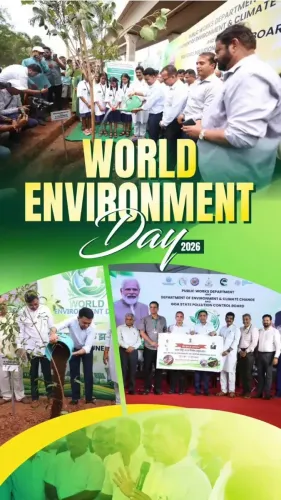
CM Sawant Urges Goans to Plant Trees for Loved Ones
Synopsis
Goa Chief Minister Pramod Sawant has appealed to citizens to plant a tree in the name of a loved one under the Harit Goem and Ek Ped Maa Ke Naam campaigns, with the Goa Biodiversity Board offering maintenance schemes to ensure sapling survival. The drive aligns state afforestation goals with a national emotional-conservation initiative.
Key Takeaways
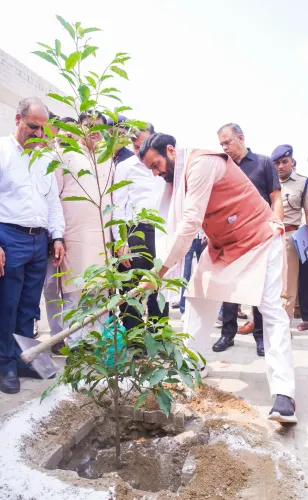
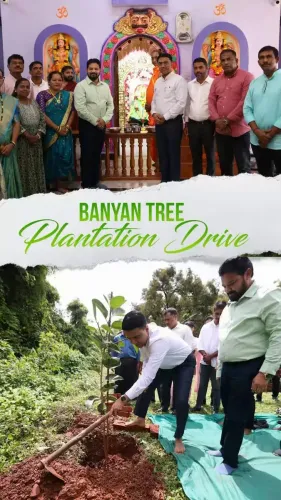
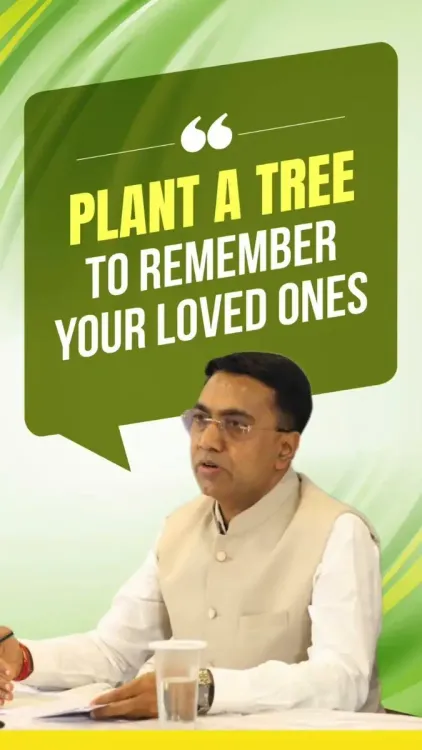
CM Pramod Sawant on June 6, 2026 urged every Goan citizen to plant a tree in the name of a loved one to build an emotional bond with conservation.
The appeal is tied to three campaigns: Harit Goem Ek Zaad Roi , Ek Ped Maa Ke Naam , and Green Goa Clean Goa .
The Goa Biodiversity Board is offering maintenance schemes to help planted trees survive long-term.
The drive aligns Goa's state-level afforestation programme with the Union Environment Ministry's national Ek Ped Maa Ke Naam initiative.
Emotional framing — linking each tree to a person's name — is intended to improve sapling survival rates beyond plantation day.
Rollout details of the Biodiversity Board's maintenance schemes and state plantation numbers are the key metrics to watch.
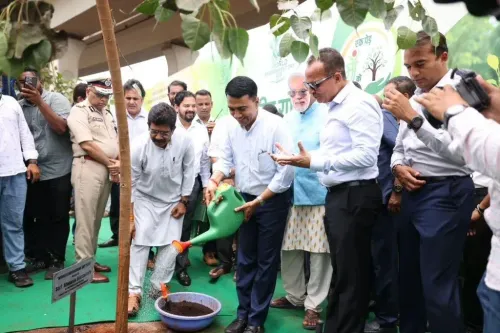
Goa Chief Minister Pramod Sawant on Saturday, June 6, 2026, called on every citizen of the state to plant a tree in the name of a loved one, framing the act as an emotional commitment that would encourage long-term care and protection of saplings. The appeal, made via his official social media handle, also highlighted active support schemes from the Goa Biodiversity Board to help planted trees survive and thrive.
Context
CM Sawant's post was anchored to three campaign hashtags: #HaritGoemEkZaadRoi (Plant One Tree in Green Goa), #EkPedMaaKeNaam (One Tree in the Name of Mother), and #GreenGoaCleanGoa. The messaging combined a state-level afforestation drive with the national Ek Ped Maa Ke Naam initiative, which encourages citizens to plant trees in the name of mothers or loved ones to build a personal, emotional stake in conservation. 'I urge every citizen to plant a tree in the name of a loved one, creating an emotional bond that encourages its care and protection,' Sawant wrote.
The emotional-framing strategy is widely used in Indian plantation campaigns because saplings planted without a sense of personal ownership are frequently neglected. By tying each tree to a person's name, the campaign aims to improve sapling survival rates — a persistent challenge in large-scale afforestation drives across the country.
Policy Backdrop
The Goa Biodiversity Board, a state statutory body mandated to oversee conservation and sustainable use of biological resources, is offering maintenance schemes to support citizens who plant trees under the drive. Sawant specifically noted that these schemes are designed to 'ensure they thrive for years to come,' signalling that the government's role extends beyond plantation day to sustained follow-up support.
Goa has run successive Harit Goa afforestation and cleanliness drives since the early 2010s, consistently linking tree-plantation targets with public participation. The current campaign fits within that lineage while also aligning with the Union Environment Ministry's national push under Ek Ped Maa Ke Naam, reflecting a deliberate convergence of state and central green-cover objectives.
Stakeholders and Impact
The primary audience is Goa's general citizenry, including residents of both urban localities and rural villages, who are being invited to participate as active conservation agents rather than passive beneficiaries. Local biodiversity groups and community organisations are natural partners in mobilising neighbourhood-level plantation events.
The Goa Biodiversity Board's maintenance schemes, once their details are publicly rolled out, could provide financial or technical incentives that lower the barrier for citizens — particularly those without land or gardening experience — to participate meaningfully. The dual emphasis on planting and maintenance marks a more comprehensive approach than symbolic one-day drives.
What's Next
Attention will now turn to the specific schemes being offered by the Goa Biodiversity Board — including eligibility criteria, the types of saplings available, and any monetary or in-kind support for maintenance. Plantation numbers reported under the #HaritGoemEkZaadRoi hashtag will serve as an early indicator of public uptake.
If participation is strong, the campaign could feed into Goa's broader climate and biodiversity commitments, contributing to state-level green-cover reporting. The convergence of emotional messaging with institutional support from the Biodiversity Board represents a template that other small states with high biodiversity value may look to replicate.
Point of View
The Goa government signals alignment with central environmental priorities — a politically useful move for a BJP-led state. The explicit mention of Goa Biodiversity Board schemes is notable: it shifts the narrative from a symbolic appeal to a policy-backed commitment, lending the campaign more credibility than a routine social-media plantation call. Whether the Board's maintenance incentives are adequately funded and accessible will ultimately determine if this drive produces measurable green-cover gains or remains a well-intentioned hashtag campaign.
NationPress
21 Oct 2026
Frequently Asked Questions
What is the Harit Goem Ek Zaad Roi campaign?
Harit Goem Ek Zaad Roi — meaning 'Plant One Tree in Green Goa' — is a Goa government afforestation drive that urges citizens to plant and care for trees as part of the state's broader green-cover and biodiversity goals.
What is Ek Ped Maa Ke Naam?
Ek Ped Maa Ke Naam, or 'One Tree in the Name of Mother,' is a national tree-plantation initiative promoted by the Union Environment Ministry that encourages citizens to plant a tree dedicated to their mother or a loved one, creating a personal emotional connection to conservation.
What schemes is the Goa Biodiversity Board offering for tree maintenance?
CM Sawant stated that the Goa Biodiversity Board is offering various schemes to support the maintenance of trees planted under the campaign; the specific details, eligibility criteria, and incentives are expected to be announced separately by the Board.
Why does CM Sawant want citizens to plant trees in the name of loved ones?
The emotional-bond framing is designed to improve sapling survival rates: when a tree is linked to a person's name, the planter is more likely to water, protect, and monitor it over time, addressing a key weakness in large-scale plantation drives.
How does Goa's tree plantation drive connect to national environmental policy?
Goa's Harit Goem campaign is aligned with the Centre's Ek Ped Maa Ke Naam initiative, reflecting a deliberate convergence of state and national afforestation targets and allowing the state to contribute to India's broader climate and biodiversity commitments.