CM Sawant Marks World Environment Day, Targets 10 Lakh Trees in Goa
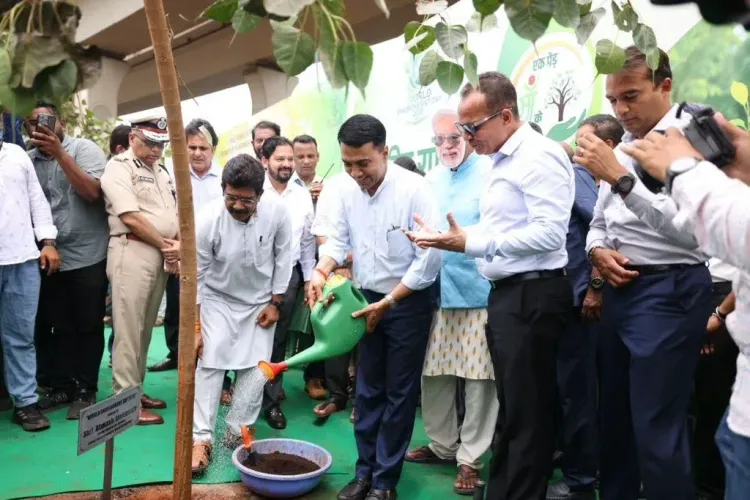
Synopsis
Goa Chief Minister Pramod Sawant marked World Environment Day 2026 in Panaji by announcing a 10-lakh-tree plantation drive from June to September, releasing the GSPCB Annual Report 2025–26, and formalising a new Waste Management Technician course at Cacora ITI through an MoU between GSPCB, GWMC, and the institute.
Key Takeaways
Goa CM Pramod Sawant addressed the World Environment Day 2026 programme in Panaji on 5 June 2026 .
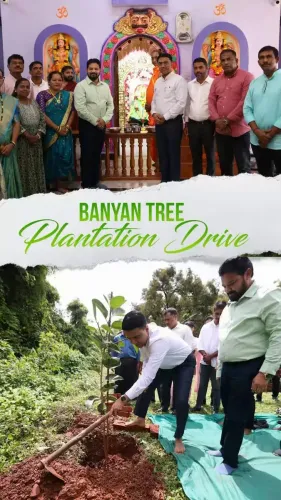
The government will plant 10 lakh trees across Goa between 5 June and 5 September 2026 , forming a green corridor from Patradevi to Polem .
The GSPCB Annual Report 2025–26 was released at the event.
An MoU was signed between GSPCB , GWMC , and Cacora ITI to launch a 'Waste Management Technician' vocational course.
Goa has nearly 68% green cover , 25 wetlands , and 168 water bodies , making it one of India's richest ecological regions.
The state's Harit Goem, Ek Zaad Roi initiative is aligned with PM Modi's national 'Ek Ped Maa Ke Naam' campaign.
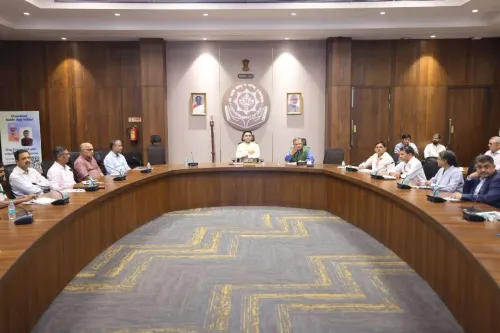
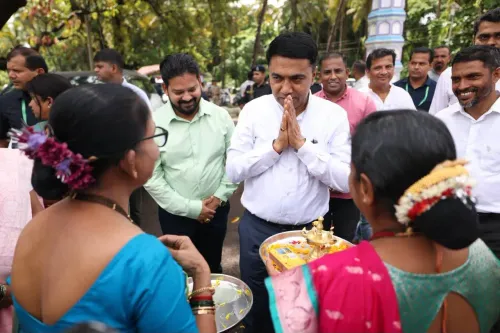
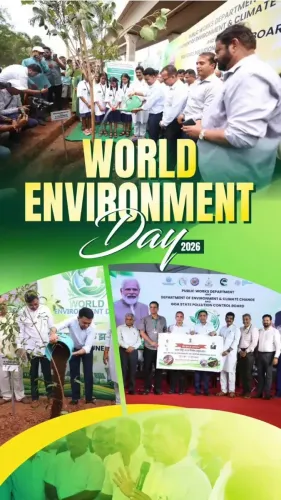
Goa Chief Minister Pramod Sawant attended and addressed the World Environment Day 2026 programme in Panaji on 5 June 2026, reaffirming the state government's commitment to protecting Goa's ecology and biodiversity under the theme 'Inspired by Nature for Climate and Our Future.'
Context
CM Sawant used the occasion to release the Goa State Pollution Control Board (GSPCB) Annual Report 2025–26 and witnessed the signing of a memorandum of understanding between GSPCB, GWMC, and Cacora ITI for launching a new 'Waste Management Technician' course. He also released the book 'गोव्याचे कृषिनायक' [Goa's Agricultural Heroes] and felicitated progressive farmers, environmental champions, industries, and winners of various environment-related competitions.
The event brought together multiple strands of the state's environmental agenda — regulatory reporting, vocational skilling in waste management, literary recognition of agricultural contributions, and community-level environmental awards — into a single high-profile observance.
Policy Backdrop
At the heart of the day's announcements was the 'Harit Goem, Ek Zaad Roi' initiative, part of Goa's broader Green Goa, Clean Goa movement. The initiative is directly aligned with Prime Minister Narendra Modi's nationwide 'Ek Ped Maa Ke Naam' campaign, launched in 2024, which encourages citizens to plant trees in honour of their mothers.
Under this drive, the Goa government has committed to planting 10 lakh trees across the state between 5 June and 5 September 2026, creating a green corridor stretching from Patradevi in the north to Polem in the south — spanning the full length of the state's western coastline belt.
Goa has pursued successive afforestation and khazan land revival programmes since the early 2020s, aligned with national green missions. The state's khazan lands — low-lying coastal tracts traditionally used for paddy and fish farming — have been a recurring focus of ecological restoration efforts.
Stakeholders and Impact
With nearly 68% green cover, 25 wetlands, and 168 water bodies, Goa is among India's most ecologically rich states. CM Sawant highlighted that the government's environmental push spans afforestation, khazan land revival, waste management reforms, EV buses, natural gas initiatives, and sustainable development practices.
The new Waste Management Technician course at Cacora ITI, formalised through the MoU, is intended to build a trained workforce for the state's expanding waste sector — a move that links environmental goals with vocational skilling for local youth. Progressive farmers and environmental champions felicitated at the event represent grassroots stakeholders whose practices the government is seeking to amplify and replicate.
High-forest-cover states like Goa increasingly position such initiatives as supporting both ecological preservation and sustainable tourism, a sector central to the state's economy.
What's Next
The immediate test will be the execution of the 10-lakh-tree plantation target between June and September 2026, with the green corridor from Patradevi to Polem serving as a visible benchmark of the campaign's reach. The operational rollout of the Waste Management Technician course at Cacora ITI will be another indicator of whether the MoU translates into on-ground skilling outcomes.
Goa's approach of synchronising state-level environmental events with central government campaigns reflects a wider pattern among BJP-governed states of aligning subnational environmental action with New Delhi's flagship programmes — lending both political coherence and resource mobilisation potential to local initiatives.
Point of View
Central scheme alignment, and grassroots recognition into a single high-visibility occasion. By anchoring the 10-lakh-tree drive explicitly to PM Modi's 'Ek Ped Maa Ke Naam' campaign, the Goa government reinforces its ideological and administrative continuity with New Delhi while projecting local ownership. The Cacora ITI MoU is a notable addition — it signals an attempt to institutionalise waste management as a skilled trade, which could have lasting workforce implications if the course achieves scale. Whether the June-to-September plantation target and the ITI course deliver measurable outcomes will determine whether this event is remembered as a policy inflection point or a well-managed ceremonial occasion.
NationPress
20 Oct 2026
Frequently Asked Questions
What is the 'Harit Goem, Ek Zaad Roi' initiative in Goa?
'Harit Goem, Ek Zaad Roi' is Goa's afforestation initiative under the Green Goa, Clean Goa movement, aligned with PM Modi's 'Ek Ped Maa Ke Naam' campaign. It aims to plant 10 lakh trees across the state between 5 June and 5 September 2026, creating a green corridor from Patradevi to Polem.
What is the Waste Management Technician course announced in Goa?
The Waste Management Technician course is a new vocational programme to be offered at Cacora ITI in Goa. It was formalised through an MoU signed between GSPCB, GWMC, and Cacora ITI on World Environment Day 2026, aimed at training local youth for the state's waste management sector.
What is Goa's forest cover and ecological status?
Goa has nearly 68% green cover, 25 wetlands, and 168 water bodies, making it one of India's richest ecological regions. The state has pursued afforestation, khazan land revival, and wetland protection programmes to maintain this ecological status.
What is PM Modi's 'Ek Ped Maa Ke Naam' campaign?
'Ek Ped Maa Ke Naam' (One Tree in Mother's Name) is a nationwide tree plantation campaign launched by Prime Minister Narendra Modi in 2024, encouraging citizens to plant trees as a tribute to their mothers. Several states, including Goa, have aligned their afforestation drives with this campaign.
What happened at the Goa World Environment Day 2026 event?
At the World Environment Day 2026 event in Panaji, CM Pramod Sawant released the GSPCB Annual Report 2025–26, witnessed the signing of an MoU for a new Waste Management Technician course at Cacora ITI, released the book 'गोव्याचे कृषिनायक', and felicitated farmers, environmental champions, and competition winners.