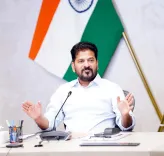
Goa CM Sawant meets first batch of eco-friendly Ganesh idol makers
Synopsis
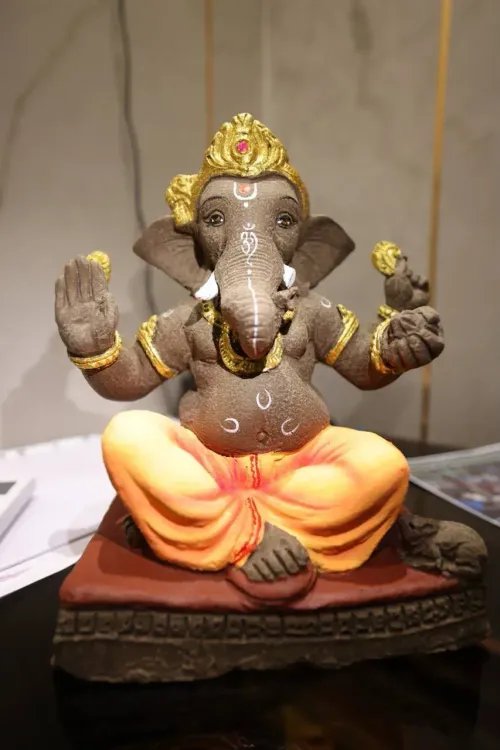
Goa CM Pramod Sawant on 16 July 2026 met the first batch of 30 Murtikars who completed residential training in making eco-friendly Gomay Ganesh idols using clay and cow dung at Bhagirath Pratishthan, Kudal, in an initiative by the Goa State Biodiversity Board and Goa State Pollution Control Board to promote sustainable alternatives to Plaster of Paris.
Key Takeaways
30 Murtikars from across Goa completed the first residential training batch in making eco-friendly Gomay Ganesh idols using clay and cow dung.
Training was held at Bhagirath Pratishthan, Kudal , and was jointly organised by the Goa State Biodiversity Board and Goa State Pollution Control Board .
The initiative aims to promote sustainable alternatives to Plaster of Paris (PoP) idols, in line with National Green Tribunal directives dating to 2014-2016.
CM Pramod Sawant met the artisans at Mahalaxmi, Altinho, Panaji on 16 July 2026 and assured them of continued state support.
The programme links traditional craftsmanship preservation with environmental goals ahead of the Ganesh Chaturthi season.
Goa Chief Minister Pramod Sawant on Thursday, 16 July 2026, met and congratulated the first batch of 30 Murtikars from across the state who completed a residential training programme in making eco-friendly Gomay Ganesh idols using clay and cow dung, at Bhagirath Pratishthan in Kudal. The event took place at Mahalaxmi, Altinho, Panaji, where the CM formally acknowledged the artisans' achievement and assured them of continued state support.
Context
The training programme was jointly organised by the Goa State Biodiversity Board and the Goa State Pollution Control Board as part of a broader push to promote sustainable alternatives to Plaster of Paris (PoP) idols. CM Sawant called it a 'meaningful initiative' and pledged continued backing for the Murtikars in taking the eco-friendly practice forward while preserving traditional craftsmanship.
The 30 participants underwent residential training at Bhagirath Pratishthan, a skill-development institute in Kudal, Sindhudurg district, learning to craft Ganesh idols from natural materials including clay and cow dung — a departure from the chemically treated PoP that dominates the commercial idol market.
Policy Backdrop
The initiative is rooted in a regulatory push that dates to National Green Tribunal (NGT) orders issued between 2014 and 2016, which directed states to restrict the use of Plaster of Paris idols and encourage clay-based alternatives during idol immersions to reduce river and coastal pollution. PoP idols dissolve slowly and release toxic compounds, posing serious risks to aquatic ecosystems.
Across India, state pollution control boards and biodiversity authorities have progressively run training and awareness drives combining regulatory pressure with artisan livelihood support. Goa's programme reflects this national pattern by formally linking local craftsmanship training to two statutory environmental bodies, lending it institutional weight beyond a one-off awareness event.
Stakeholders and Impact
The direct beneficiaries are the 30 trained Murtikars drawn from communities across Goa who now possess certified skills to produce and market eco-friendly idols. Their success has implications for the wider artisan community, as demand for natural-material idols typically spikes in the weeks before Ganesh Chaturthi.
Environmental stakeholders — including river and coastal conservation groups — stand to benefit if the trained artisans can supply a meaningful share of the idol market, reducing the volume of PoP entering Goa's water bodies during immersion. The Goa State Pollution Control Board and Goa State Biodiversity Board gain a visible, community-facing programme to complement their regulatory enforcement roles.
What's Next
CM Sawant's assurance of 'continued support' signals that the state government intends to expand the programme beyond this inaugural batch. Attention will now turn to whether additional training cohorts are announced before the next Ganesh Chaturthi season and whether the state issues formal guidelines on idol materials for the festival. The programme's long-term success will depend on market linkages and consumer uptake of the eco-friendly idols crafted by the trained Murtikars.
Point of View
The state lends it regulatory credibility that outlasts electoral cycles. The move also positions Goa ahead of Ganesh Chaturthi, when scrutiny of idol immersion pollution peaks, giving the administration a visible, community-friendly answer to environmental critics. Broader replication will depend on whether market demand for natural idols can be stimulated beyond the training phase.
NationPress
15 Oct 2026
Frequently Asked Questions
What are Gomay Ganesh idols?
Gomay Ganesh idols are eco-friendly Ganesh idols made from natural materials such as clay and cow dung, designed as a sustainable alternative to Plaster of Paris idols that cause water pollution during immersion.
Why is Plaster of Paris banned for Ganesh idols in India?
The National Green Tribunal issued orders between 2014 and 2016 directing states to restrict Plaster of Paris idols because they dissolve slowly and release toxic compounds into rivers and coastal waters during festival immersions, harming aquatic ecosystems.
What is Bhagirath Pratishthan in Kudal?
Bhagirath Pratishthan is a training institute located in Kudal, Sindhudurg district, that conducts residential skill programmes on traditional and sustainable crafts, including the eco-friendly Ganesh idol-making programme for Goa's Murtikars.
Which Goa government bodies organised the eco-friendly idol training?
The Goa State Biodiversity Board and the Goa State Pollution Control Board jointly organised the residential training programme for the first batch of 30 Murtikars from across Goa.
Will Goa ban Plaster of Paris Ganesh idols before Ganesh Chaturthi 2026?
CM Sawant has assured continued support for the eco-friendly idol initiative, but no formal state-level ban or guideline on idol materials for Ganesh Chaturthi 2026 has been announced as yet.