CM Sawant to Honour Contributors to Green Goa Clean Goa Drive

Synopsis
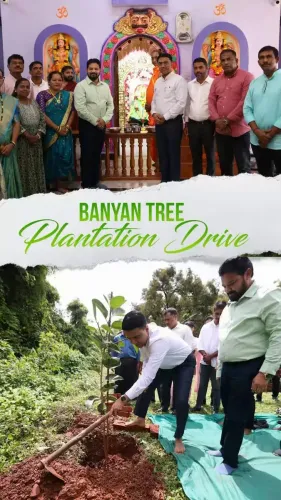
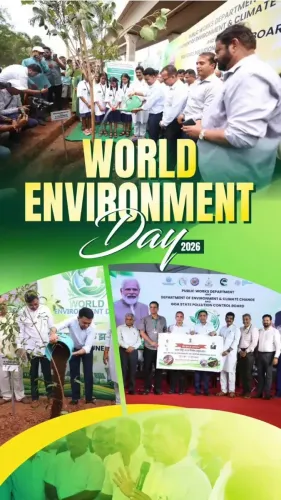
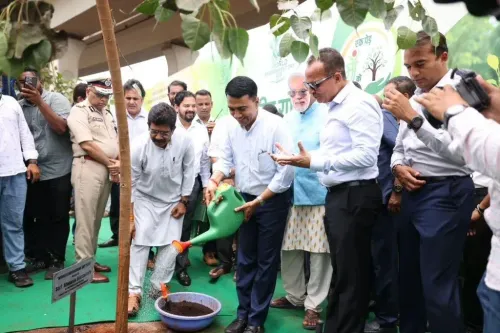
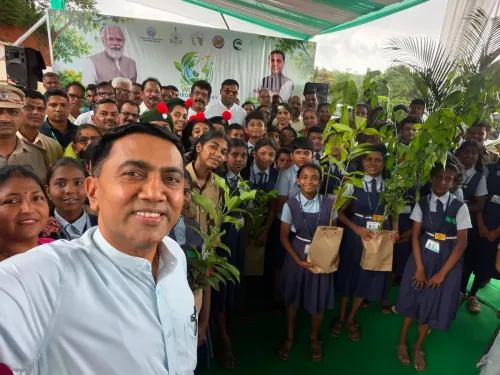
Goa Chief Minister Pramod Sawant has announced that the state government will felicitate all organisations and individuals contributing to the 90-Day Green Goa, Clean Goa Campaign. Invoking Jan Bhagidari, Sawant called for collective public action to advance afforestation and cleanliness across the state, linking the drive to the national Ek Ped Maa Ke Naam initiative.
Key Takeaways
The Government of Goa will formally felicitate all contributing organisations and individuals at the close of the 90-Day Green Goa, Clean Goa Campaign .
CM Pramod Sawant anchored the appeal in Jan Bhagidari (public participation), framing the campaign as a collective civic mission.
The drive is aligned with the national Ek Ped Maa Ke Naam tree-plantation initiative promoted at the central level.
The campaign hashtags include the Konkani phrase #HaritGoemEkZaadRoi , meaning 'Green Goa, Plant a Tree,' reflecting local cultural ownership.
The initiative follows India's established template of time-bound state environmental campaigns linked to Swachh Bharat Abhiyan and national green-cover targets.
Post-campaign data on trees planted and waste collected, as well as any resulting policy changes, will be key indicators of impact.
Goa Chief Minister Pramod Sawant announced on Saturday, 6 June 2026 that the Government of Goa will felicitate all organisations and individuals who contribute to the 90-Day Green Goa, Clean Goa Campaign, calling on citizens to embrace the spirit of Jan Bhagidari (public participation) to transform the state's environment.
Context
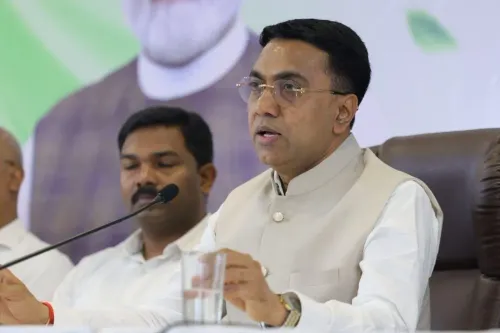
In his post, CM Sawant stated: 'The Government of Goa will felicitate all organisations and individuals who contribute to the 90-Day Green Goa, Clean Goa Campaign. Through the spirit of Jan Bhagidari, we can transform this mission to make Goa Green and Clean.' The announcement, accompanied by a video, was shared under the hashtags #HaritGoemEkZaadRoi, #EkPedMaaKeNaam and #GreenGoaCleanGoa, signalling a broad public mobilisation effort.
The campaign ties directly into the national Ek Ped Maa Ke Naam initiative, which encourages citizens across India to plant trees in honour of their mothers, aligning state-level afforestation goals with a centrally promoted sentiment. The Konkani phrase Harit Goem Ek Zaad Roi translates to 'Green Goa, Plant a Tree,' underscoring the local cultural framing of the drive.
Policy Backdrop
The 90-Day Green Goa, Clean Goa Campaign sits within a long lineage of Indian environmental policy. Swachh Bharat Abhiyan, launched in 2014, established the template of combining cleanliness drives with structured community participation across states. India's National Action Plan on Climate Change (2008) and successive state action plans have consistently emphasised expanding green cover and sustainable urban development.
Van Mahotsav, the annual tree-plantation festival initiated in 1950, has been periodically reinforced by state-level campaigns in Goa. The current initiative follows a broader national pattern in which states adopt time-bound, 90-day or seasonal missions to meet green-cover targets and Sustainable Development Goal commitments on climate action and sustainable cities.
Stakeholders and Impact
Goa's residents, local non-governmental organisations and the state's critical tourism sector are the primary stakeholders. For a state whose economy depends heavily on its coastlines, forests and scenic landscapes, sustained green cover and cleanliness have direct economic implications beyond environmental ones.
The promise of felicitation introduces a recognition mechanism designed to incentivise participation from civil society groups, resident welfare associations and individual volunteers. Such reward frameworks have been used in comparable state campaigns to sustain momentum beyond initial enthusiasm.
What's Next
Attention will now turn to the close of the 90-day window, when the Government of Goa is expected to release participation data — including trees planted and waste collected — and formally recognise contributing organisations and individuals. Analysts watching state environmental governance will also track whether the campaign translates into durable policy changes, such as municipal bye-law revisions or dedicated budget allocations for plantation maintenance. The success of the felicitation model could influence how Goa structures future citizen-participation drives under its broader sustainability agenda.
Point of View
The BJP-led government in Goa aligns itself with the Centre's climate optics ahead of potential electoral cycles. The Jan Bhagidari framing also diffuses accountability — if targets are missed, the narrative shifts to collective responsibility rather than state delivery. Whether the felicitation mechanism produces measurable environmental outcomes or remains primarily a mobilisation exercise will define the campaign's legacy.
NationPress
21 Oct 2026
Frequently Asked Questions
What is the 90-Day Green Goa Clean Goa Campaign?
The 90-Day Green Goa, Clean Goa Campaign is a state initiative by the Government of Goa that promotes tree plantation and cleanliness drives through public participation, aimed at improving Goa's environment and green cover within a defined 90-day period.
Who will be felicitated under Goa's green campaign?
Goa Chief Minister Pramod Sawant announced that all organisations and individuals who contribute to the 90-Day Green Goa, Clean Goa Campaign will be felicitated by the Government of Goa.
What is Ek Ped Maa Ke Naam and how does it relate to Goa?
Ek Ped Maa Ke Naam is a national tree-plantation campaign that encourages citizens to plant trees in honour of their mothers. Goa's Green Goa, Clean Goa Campaign is aligned with this central initiative, linking state afforestation efforts to the broader national programme.
What does Jan Bhagidari mean in the context of this campaign?
Jan Bhagidari means public or people's participation. CM Sawant invoked the term to emphasise that the success of the Green Goa, Clean Goa Campaign depends on collective civic action from residents, NGOs and local bodies rather than government effort alone.
What is Harit Goem Ek Zaad Roi?
Harit Goem Ek Zaad Roi is a Konkani phrase meaning 'Green Goa, Plant a Tree.' It is one of the hashtags used to promote the campaign, reflecting the local cultural identity woven into the state's environmental drive.