CM Sawant Marks Goa Revolution Day, Pays Tribute to 1946 Freedom Fighters
Synopsis
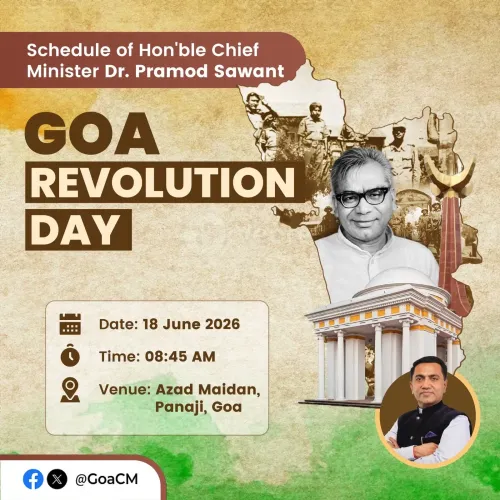
Goa Chief Minister Pramod Sawant on 18 June 2026 marked Goa Revolution Day by paying tribute to Dr Ram Manohar Lohia and Dr Juliao Menezes, whose 1946 civil disobedience movement against Portuguese rule ignited the state's freedom struggle, 80 years after the historic event.
Key Takeaways
Goa Revolution Day is observed on 18 June each year to mark the 1946 civil disobedience movement against Portuguese colonial rule.
Dr Ram Manohar Lohia and Dr Juliao Menezes led the first organised resistance against Portuguese rule in Goa on 18 June 1946 .
Chief Minister Pramod Sawant posted his tribute in Konkani , the official language of Goa, reflecting a cultural connection to the state's identity.
Goa was integrated into India on 19 December 1961 , 15 years after the 1946 movement that is commemorated today.
2026 marks 80 years since the original civil disobedience movement, giving this year's observance added symbolic significance.
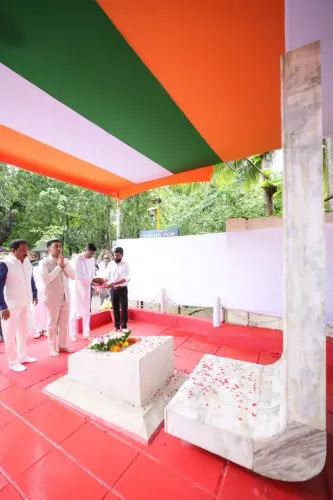
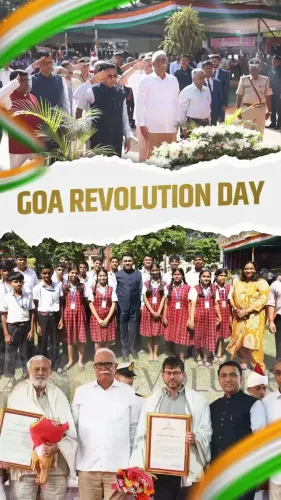
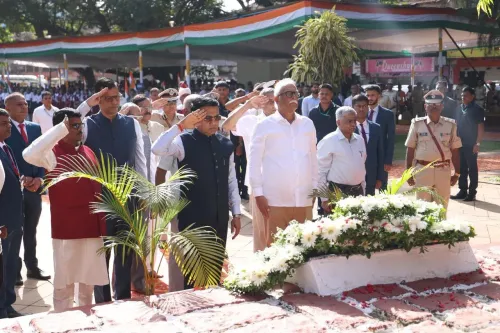
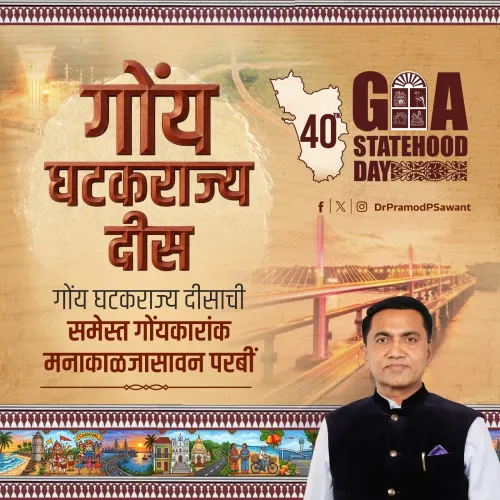
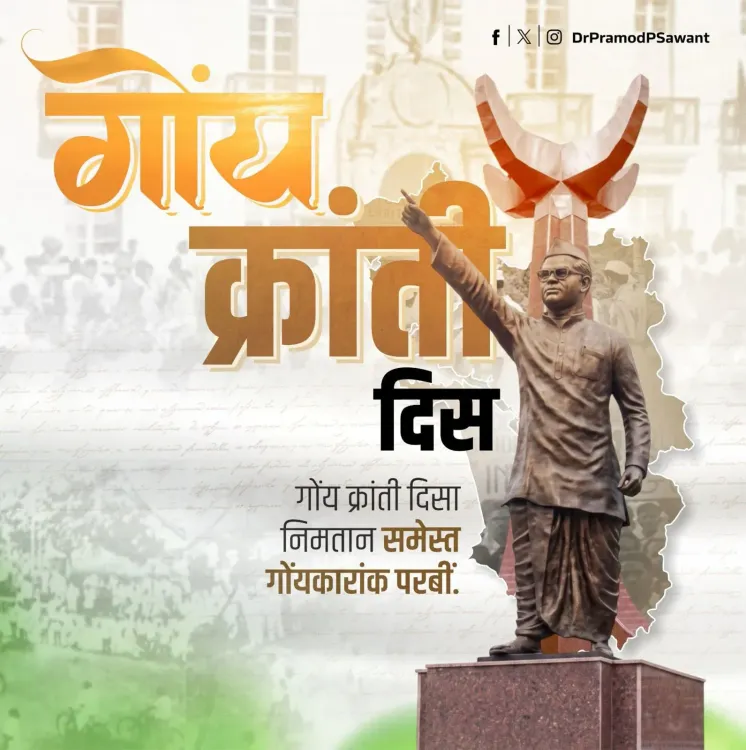
Goa Chief Minister Pramod Sawant on Wednesday, 18 June 2026, paid tribute to the revolutionaries of Goa's freedom struggle on the occasion of Goa Revolution Day, honouring their sacrifice, courage, and self-respect in the anti-colonial movement against Portuguese rule.
Posting in Konkani, Chief Minister Sawant wrote: 'डॉ राम मनोहर आनी डॉ जुलियांव मेनेझेस हांची चळवळ, शूर गोंयकारांचो त्याग, संघर्ष, बलिदान आनी स्वाभीमानाचे प्रतिक म्हळ्यार गोंय क्रांती दिस' — translating as: 'The movement of Dr Ram Manohar and Dr Juliao Menezes — the sacrifice, struggle, martyrdom, and self-respect of brave Goans — that is what Goa Revolution Day represents.' He extended heartfelt salutations to all those who were part of the struggle and wished all Goans on this historic day.
Context
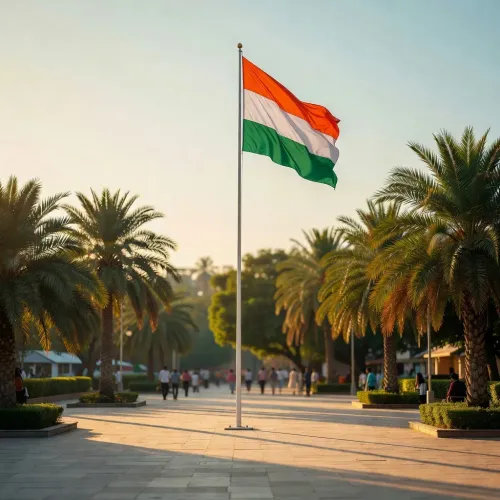
Goa Revolution Day is observed every year on 18 June to commemorate the launch of the civil disobedience movement against Portuguese colonial rule in 1946. On that date, socialist leader Dr Ram Manohar Lohia and Goan physician-activist Dr Juliao Menezes led a historic act of defiance, hoisting the Indian tricolour in Goa and galvanising resistance against over four centuries of Portuguese control. The movement they ignited is widely regarded as the first organised assertion of Goan identity within the broader Indian independence struggle.
Policy Backdrop
Goa remained under Portuguese administration long after India's independence in 1947, finally being integrated into the Indian Union on 19 December 1961 following a military operation. The 1946 civil disobedience movement is therefore a distinct chapter in the state's history — one that predates liberation by 15 years and is deeply embedded in Goan cultural memory. Indian state governments regularly mark such regional freedom struggle anniversaries as part of a broader effort to integrate local anti-colonial narratives into the national story, particularly those led by non-Congress figures such as Lohia.
Stakeholders and Impact
The commemoration is of particular significance to Goan citizens, families of freedom fighters, and historians who have long advocated for greater national recognition of the state's unique liberation history. Chief Minister Sawant's message in Konkani — the official language of Goa — underscores the cultural and linguistic dimension of the observance, signalling a conscious effort to connect with the local identity of the state's residents. Descendants of the 1946 movement's participants and veterans' organisations are among those who mark the day with official and community-level events.
What's Next
With 2026 marking 80 years since the original 1946 movement, the anniversary carries added symbolic weight and may prompt renewed discussions around curriculum updates, memorials, or state-level recognition for the revolutionaries who participated in the struggle. Observers will watch whether the Goa government announces any commemorative programmes or policy initiatives to mark this milestone in the state's freedom history. The annual observance continues to serve as a touchstone for Goan identity and the state's place within India's larger independence narrative.
Point of View
He signals a direct address to the Goan electorate on a day of deep local pride. The explicit naming of Dr Ram Manohar Lohia, a socialist icon not associated with the BJP's ideological lineage, reflects a broader pattern among ruling-party governments of appropriating cross-partisan freedom-struggle figures to build inclusive regional legitimacy. With 2026 marking 80 years since the 1946 movement, the anniversary provides a politically low-risk but symbolically high-value platform. The message fits a wider national template of elevating regional anti-colonial histories that were historically overshadowed by the mainstream 1947 independence narrative.
NationPress
18 Sept 2026
Frequently Asked Questions
What is Goa Revolution Day and why is it celebrated on 18 June?
Goa Revolution Day is observed on 18 June every year to commemorate the launch of the civil disobedience movement against Portuguese colonial rule in 1946 , when Dr Ram Manohar Lohia and Dr Juliao Menezes led a historic act of defiance by hoisting the Indian tricolour in Goa.
Who were Dr Ram Manohar Lohia and Dr Juliao Menezes in Goa's history?
Dr Ram Manohar Lohia was an Indian socialist leader and freedom fighter who initiated the civil disobedience movement in Goa in 1946 . Dr Juliao Menezes was a Goan physician and activist who partnered with Lohia in launching the movement for Goa's liberation from Portuguese rule.
When was Goa liberated from Portuguese rule?
Goa was liberated from Portuguese colonial rule on 19 December 1961 , when it was integrated into the Indian Union following a military operation, 15 years after the 1946 freedom movement that Goa Revolution Day commemorates.
What did CM Pramod Sawant say on Goa Revolution Day 2026?
Chief Minister Pramod Sawant posted a tribute in Konkani on 18 June 2026 , describing Goa Revolution Day as a symbol of the sacrifice, struggle, martyrdom, and self-respect of brave Goans, and extending heartfelt salutations to all those who participated in the freedom movement.
Why is Goa Revolution Day 2026 especially significant?
2026 marks 80 years since the original civil disobedience movement of 18 June 1946 , giving this year's observance added symbolic weight and raising the possibility of special commemorative programmes or policy initiatives by the Goa government.