CM Nayab Saini Launches Swachhata Hi Swagat Drive in Panchkula
Synopsis
Haryana Chief Minister Nayab Singh Saini launched the 'Swachhata Hi Swagat Abhiyan' in Panchkula on 13 July 2026, sweeping streets and collecting garbage to promote PM Modi's Swachh Bharat mission and urge citizens to make cleanliness a core life value.
Key Takeaways
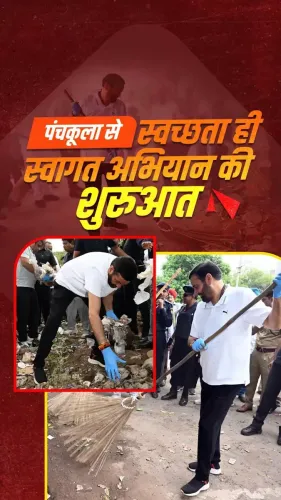
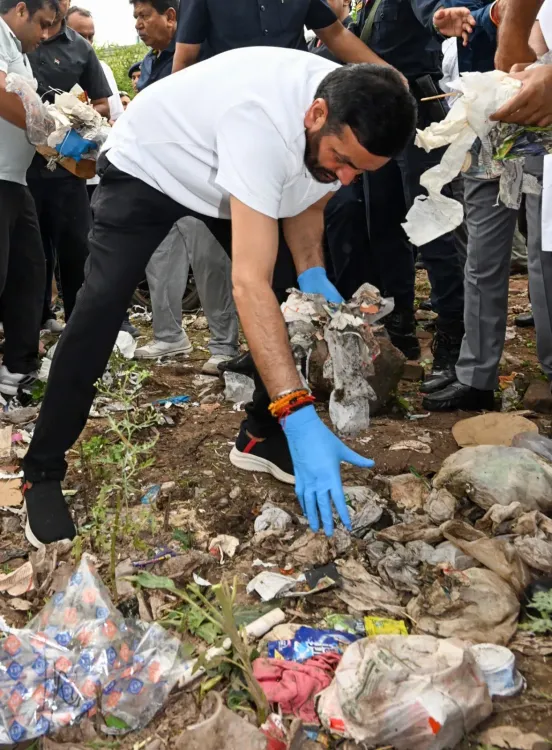
CM Nayab Singh Saini personally swept streets and collected garbage at the launch of the Swachhata Hi Swagat Abhiyan in Panchkula on 13 July 2026 .
The campaign is framed as a state-level extension of PM Narendra Modi 's Swachh Bharat Abhiyan , launched nationally on 2 October 2014 .
CM Saini appealed to all Haryana residents to make cleanliness a personal and cultural value ( sanskar ).
The launch was held in Panchkula , a city adjacent to Chandigarh that hosts key Haryana state offices.
The campaign's performance may influence Haryana 's ranking in the next Swachh Survekshan national urban cleanliness survey.
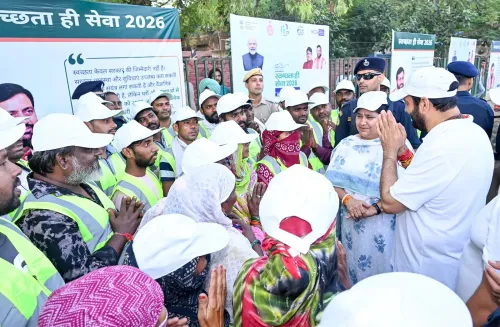
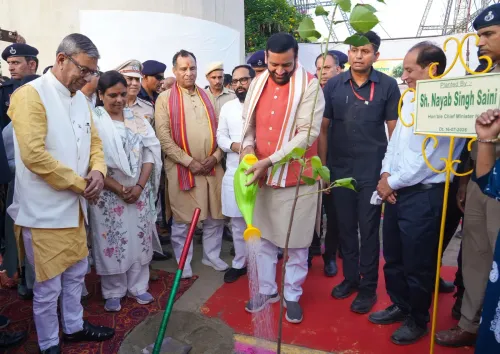
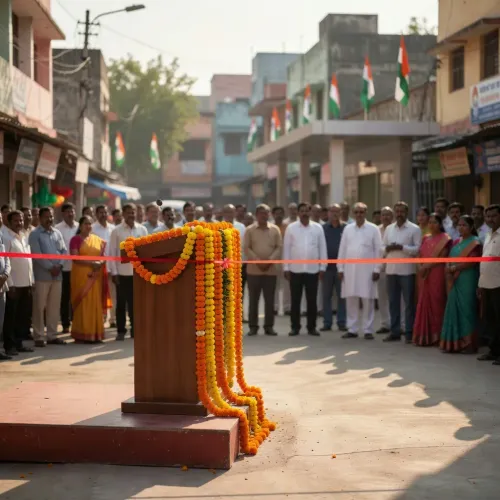
Haryana Chief Minister Nayab Singh Saini on Monday, 13 July 2026, launched the 'Swachhata Hi Swagat Abhiyan' in Panchkula, personally wielding a broom and collecting waste to send a public message on cleanliness.
Context
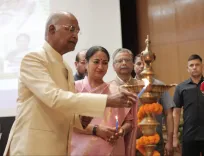
Posting on X in Hindi, CM Saini wrote: 'आज पंचकूला में स्वच्छता ही स्वागत अभियान की शुरुआत की। इस दौरान झाड़ू लगाकर और कूड़ा उठाकर स्वच्छता का संदेश दिया' ('Today I launched the Swachhata Hi Swagat Abhiyan in Panchkula. During this, I swept and collected garbage to give a message of cleanliness'). He accompanied the post with three images from the event. The Chief Minister also appealed to all residents of the state to make cleanliness a 'sanskar' — a deeply ingrained value — in their daily lives.
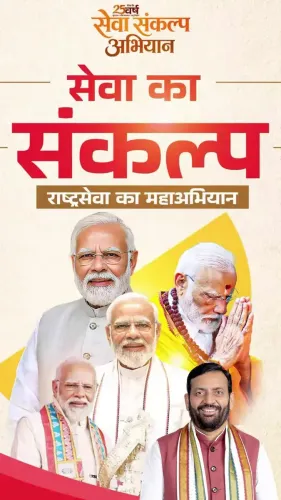
The campaign was explicitly framed as an extension of Prime Minister Narendra Modi's vision of a clean India. CM Saini invoked Modi's Swachh Bharat resolve, urging citizens to carry the mission forward as a personal and social commitment.
Policy Backdrop
Prime Minister Narendra Modi launched the Swachh Bharat Abhiyan on 2 October 2014 as a flagship national programme to improve sanitation, eliminate open defecation, and instil cleanliness habits across India. The mission was initially targeted for completion by 2019 and has since been extended with broadened urban and rural components.
State governments, particularly those led by the BJP, have regularly aligned local drives with the central mission's emphasis on behavioural change and waste-management infrastructure. Elected representatives participating in symbolic cleaning activities — sweeping streets, collecting garbage — has become a recurring feature of such campaigns, aimed at normalising civic responsibility at the grassroots level.
Panchkula, a planned city adjacent to Chandigarh and home to several Haryana state administrative offices, serves as a visible and symbolic launch venue for state-level governance initiatives.
Stakeholders and Impact
Urban residents and Panchkula's municipal bodies are the immediate stakeholders. The campaign calls on citizens to internalise cleanliness as a cultural value rather than treating it as a government-driven obligation. Municipal workers and local civic bodies are expected to play a coordinating role as the drive moves forward.
Such campaigns also carry implications for Haryana's performance in the Swachh Survekshan, the annual national urban cleanliness survey conducted by the Union Ministry of Housing and Urban Affairs, which ranks cities and states on sanitation indicators and citizen feedback.
What's Next
The broader reach of the Swachhata Hi Swagat Abhiyan — whether it will be extended to other districts across Haryana — remains to be seen. How the state performs in the next Swachh Survekshan assessment will be a key indicator of whether campaigns like this translate into measurable improvements in urban cleanliness rankings.
Point of View
Symbolic leadership action. By personally sweeping streets, CM Saini follows a well-established political playbook that links state governance optics directly to PM Modi's brand of participatory governance. The choice of Panchkula — an administratively significant and relatively well-planned city — suggests the drive is as much about signalling intent as it is about immediate sanitation outcomes. The real test will come in the next Swachh Survekshan cycle, where rankings provide a harder, nationally comparable measure of whether such campaigns move beyond symbolism.
NationPress
11 Oct 2026
Frequently Asked Questions
What is the Swachhata Hi Swagat Abhiyan launched by CM Nayab Saini?
The 'Swachhata Hi Swagat Abhiyan' is a Haryana state cleanliness campaign launched by Chief Minister Nayab Singh Saini in Panchkula on 13 July 2026, aimed at extending the goals of PM Modi's Swachh Bharat Abhiyan through local citizen participation and behavioural change.
Where was the Swachhata Hi Swagat Abhiyan launched?
The campaign was launched in Panchkula, a city in Haryana adjacent to Chandigarh that houses several state administrative offices.
What is the Swachh Bharat Abhiyan and how is it related to this campaign?
Swachh Bharat Abhiyan is a national cleanliness mission launched by Prime Minister Narendra Modi on 2 October 2014 to improve sanitation across India. The Haryana campaign is a state-level drive explicitly aligned with and extending the goals of this central programme.
What did CM Nayab Saini do at the Swachhata Hi Swagat Abhiyan launch?
CM Nayab Singh Saini personally swept streets and collected garbage at the launch event in Panchkula to send a public message on cleanliness and encourage citizens to adopt it as a daily value.
How will the Swachhata Hi Swagat Abhiyan affect Haryana's cleanliness rankings?
Haryana's performance in the annual Swachh Survekshan national urban cleanliness survey, conducted by the Union Ministry of Housing and Urban Affairs, is expected to be a key measure of whether campaigns like this produce tangible improvements in sanitation indicators.