CM Samrat Choudhary Backs Green Bihar on World Environment Day
Synopsis
Bihar Chief Minister Samrat Choudhary marked World Environment Day 2026 by championing the Ek Ped Maa Ke Naam plantation campaign, tying Green Bihar goals to the Viksit Bharat 2047 development vision ahead of the monsoon plantation season.
Key Takeaways
Bihar CM Samrat Choudhary publicly backed the Ek Ped Maa Ke Naam campaign on World Environment Day, 5 June 2026 .
The Ek Ped Maa Ke Naam initiative was originally launched by PM Narendra Modi on World Environment Day 2024 , inviting citizens to plant a tree in their mother's name.
Bihar's Green Bihar messaging aligns with India's National Action Plan on Climate Change and the Green India Mission .
The campaign links ecological action to the Viksit Bharat 2047 development narrative, a pattern replicated across multiple Indian states.
The Bihar State Forest Department coordinates plantation targets, with the monsoon window of July–September being critical for sapling survival.
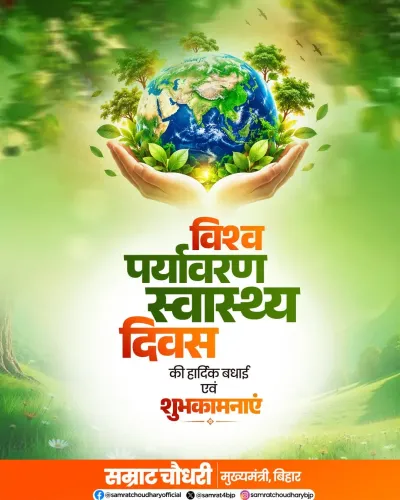
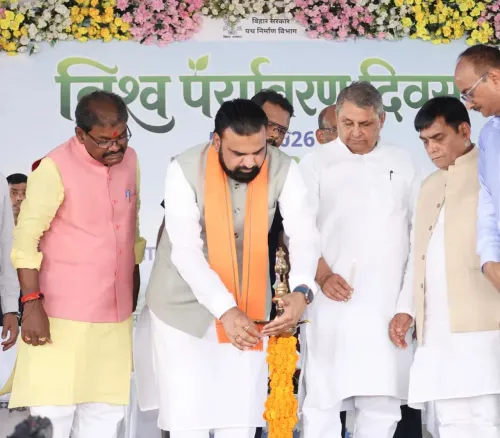
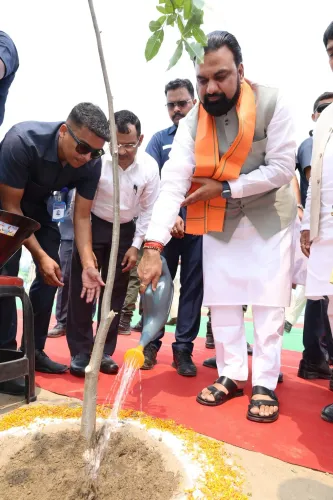
Bihar Chief Minister Samrat Choudhary joined the national World Environment Day observance on 5 June 2026 by amplifying the Ek Ped Maa Ke Naam (One Tree in Mother's Name) plantation campaign, signalling the state's continued alignment with central green-cover initiatives under the Viksit Bharat 2047 development framework.
Context
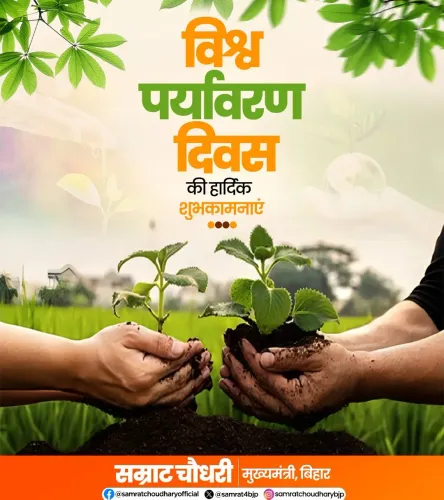
World Environment Day, observed every year on 5 June, serves as the United Nations' principal platform for promoting global environmental awareness and action. In India, the day is marked by large-scale plantation drives coordinated across states, with citizens, officials, and civil-society groups participating in organised tree-planting events. CM Choudhary's post, carrying the hashtags #GreenBihar, #एक_पेड़_माँ_के_नाम, #समृद्ध_बिहार (Prosperous Bihar), and #विकसित_भारत (Developed India), reflects Bihar's participation in this nationwide observance.
Policy Backdrop
The Ek Ped Maa Ke Naam campaign was launched by Prime Minister Narendra Modi on World Environment Day 2024, calling on citizens across the country to plant a tree as a tribute to their mothers. The initiative was designed to dovetail with India's commitments under the National Action Plan on Climate Change and broader afforestation targets, including those pursued under the Green India Mission. States have since used the campaign as a rallying frame to mobilise grassroots participation in tree-plantation drives each monsoon season.
Bihar's 'Green Bihar' messaging is consistent with a broader pattern seen across Indian states that link local environmental programmes to the central government's Viksit Bharat 2047 narrative — positioning ecological action as integral to long-term national development rather than a standalone green initiative.
Stakeholders and Impact
The primary beneficiaries of sustained plantation campaigns in Bihar are the state's residents, who stand to gain from improved air quality, reduced soil erosion, and greater groundwater recharge — particularly in districts prone to seasonal flooding along the Ganga and Kosi river belts. The Bihar State Forest Department is the nodal agency responsible for coordinating plantation targets, monitoring saplings, and ensuring survival rates that translate ground-level activity into measurable green-cover gains. Community participation, especially through the Ek Ped Maa Ke Naam frame, is intended to give individual citizens a personal stake in the survival of each sapling planted.
What's Next
With the monsoon season approaching, state forest and environment departments typically scale up plantation drives between July and September, when soil moisture conditions favour sapling survival. Observers will watch whether Bihar publishes verifiable targets and post-season survival data for the 2026 plantation cycle, and how closely the state's efforts integrate with centrally sponsored schemes such as the Green India Mission. The degree to which Bihar's green-cover gains feed into India's nationally determined contributions under the Paris Agreement will be a longer-term measure of the campaign's impact beyond the symbolic gesture of World Environment Day.
Point of View
The messaging frames environmental action not as a standalone green pledge but as a pillar of Bihar's development story — a framing that serves dual audiences: environmentally conscious voters and the BJP's Viksit Bharat narrative. The move also keeps Bihar visible in the national conversation around afforestation at a moment when India's climate commitments face increasing international scrutiny. Whether the symbolism translates into measurable green-cover gains will depend on post-monsoon data the state has yet to publish.
NationPress
20 Oct 2026
Frequently Asked Questions
What is the Ek Ped Maa Ke Naam campaign?
'Ek Ped Maa Ke Naam' (One Tree in Mother's Name) is a national tree-plantation campaign launched by Prime Minister Narendra Modi on World Environment Day 2024, encouraging every citizen to plant a tree as a tribute to their mother.
Why did Bihar CM Samrat Choudhary post about World Environment Day 2026?
CM Samrat Choudhary used World Environment Day on 5 June 2026 to promote Bihar's green-cover drive, aligning the state's Green Bihar initiative with the central Ek Ped Maa Ke Naam campaign and the Viksit Bharat 2047 vision.
What is Green Bihar?
Green Bihar is the state government's overarching messaging framework for its afforestation and environmental programmes, aimed at expanding tree cover and linking ecological goals to Bihar's broader development agenda.
When is the best time for tree plantation in Bihar?
The monsoon season, typically July to September, offers the most favourable soil-moisture conditions for planting saplings in Bihar, making it the primary window for state-run plantation drives.
How does Bihar's plantation drive connect to India's climate goals?
Bihar's afforestation campaigns contribute to India's nationally determined contributions under the Paris Agreement and are coordinated with central schemes such as the Green India Mission under the National Action Plan on Climate Change.