CM Samrat Choudhary Reviews Bihar Agriculture Dept
Synopsis
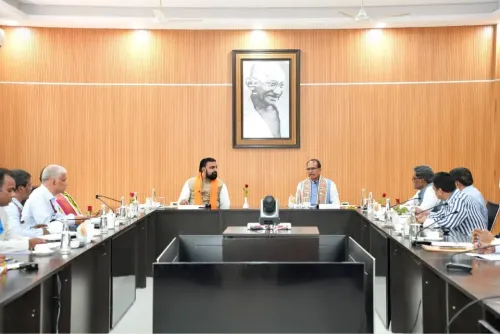
Bihar's Chief Minister chaired a review meeting of the state Agriculture Department at the Sankalp Sabhagar in Lok Sevak Awas, Patna on 23 June 2026, signalling a push to assess scheme delivery and Kharif season readiness ahead of the sowing window.
Key Takeaways
The Chief Minister of Bihar chaired a review meeting of the Agriculture Department on 23 June 2026 .
The meeting was held at Sankalp Sabhagar , located within Lok Sevak Awas in Patna .
The review is part of a regular practice of CM-led departmental assessments to monitor scheme delivery in Bihar.
Agriculture is a priority sector in Bihar, employing a large share of the state's rural workforce.
The meeting is expected to yield follow-up directives on Kharif season preparedness, input supply, and district-level targets.
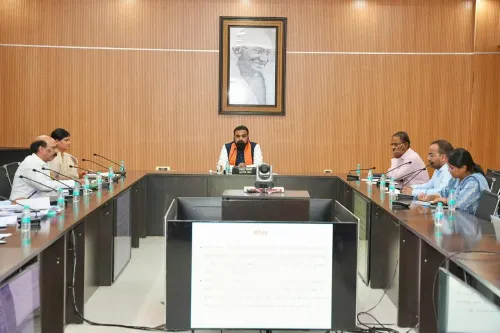
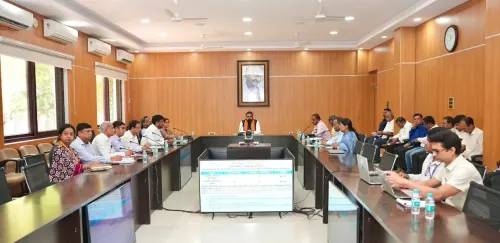
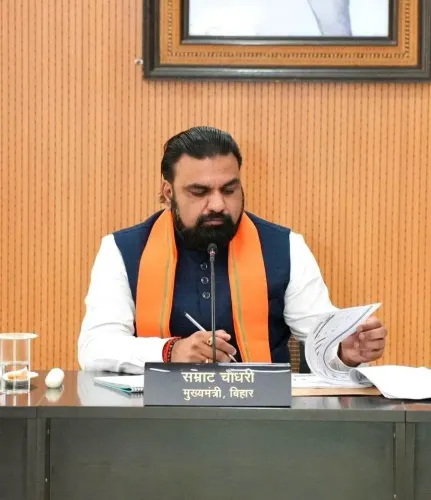
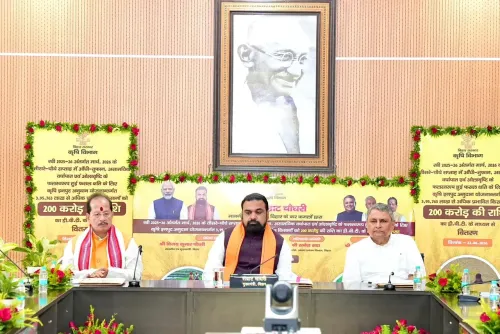
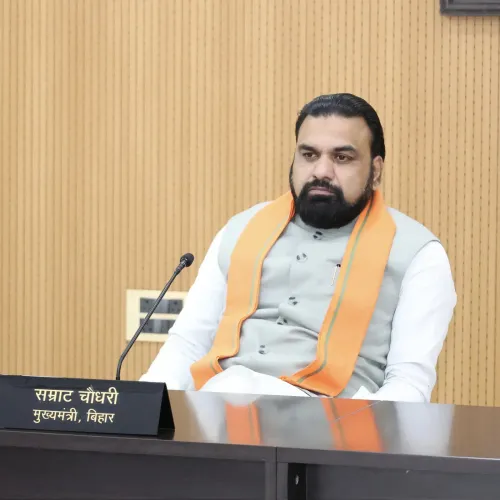
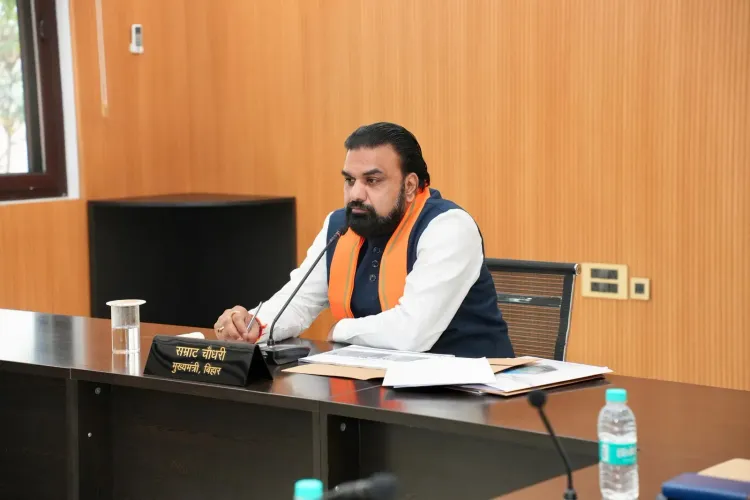
The Chief Minister's Office of Bihar announced on Tuesday, 23 June 2026 that the Chief Minister chaired a review meeting of the Agriculture Department at the 'Sankalp Sabhagar' hall located at Lok Sevak Awas in Patna.
The official post read: 'माननीय मुख्यमंत्री श्री सम्राट चौधरी जी ने आज लोक सेवक आवास स्थित 'संकल्प सभागार' में कृषि विभाग की समीक्षा बैठक की।' — translated as: 'Honourable Chief Minister Shri Samrat Choudhary today held a review meeting of the Agriculture Department at the Sankalp Sabhagar located at Lok Sevak Awas.'
Context
The meeting was held at Lok Sevak Awas, the official government residential complex in Patna that serves as a regular venue for high-level administrative engagements. The Sankalp Sabhagar — meaning 'hall of resolve' — is used for departmental briefings and policy consultations by the Chief Minister's Office. The review comes during the critical pre-Kharif season period, when state governments assess monsoon preparedness and agricultural input availability.
Policy Backdrop
Bihar governments have a long-standing practice of conducting Chief Minister-led reviews of line departments to monitor scheme delivery and on-ground implementation. The Agriculture Department in Bihar oversees a wide mandate — from crop production targets and seed distribution to irrigation infrastructure and rural subsidy schemes. Agriculture remains a backbone of Bihar's economy, employing a significant share of the state's rural workforce and contributing meaningfully to the state's GDP.
Such review meetings typically examine the status of ongoing central and state programmes, including input subsidies, procurement operations, and district-level delivery metrics. With the Kharif sowing season approaching, officials are expected to have presented data on seed and fertiliser availability, irrigation readiness, and farmer registration under welfare schemes.
Stakeholders and Impact
The primary stakeholders of any outcome from this review are Bihar's farming communities, who depend on timely government intervention for inputs, credit, and market access. Agriculture department officials and district-level functionaries are also directly accountable to directives that emerge from such CM-chaired sessions. Decisions taken in these meetings often translate into field-level targets and administrative orders within days.
Bihar has a large smallholder farming population, making the effective delivery of state agricultural schemes particularly consequential for rural livelihoods. Any course corrections ordered during the review could affect the pace and reach of ongoing programmes ahead of the sowing window.
What's Next
Follow-up directives from the meeting — such as district-wise targets for Kharif season preparedness, revised input distribution timelines, or performance benchmarks for agriculture officials — are expected to be issued in the coming days. The Chief Minister's Office is likely to share further updates as implementation orders are formalised. Observers will watch for any new district-level mandates or scheme expansions that may be announced as a result of the review.
Point of View
Where agriculture is both an economic and a political priority, such visible executive oversight serves a dual purpose: it drives bureaucratic accountability and communicates responsiveness to a predominantly rural electorate. The choice of the symbolically named 'Sankalp Sabhagar' as the venue adds a layer of intent-signalling. The real test, as always, will be whether field-level outcomes follow the conference-room directives.
NationPress
24 Jun 2026
Frequently Asked Questions
What did Bihar CM do at Lok Sevak Awas on 23 June 2026?
The Bihar Chief Minister held a review meeting of the state Agriculture Department at the Sankalp Sabhagar hall located at Lok Sevak Awas in Patna on 23 June 2026.
What is Sankalp Sabhagar in Patna?
Sankalp Sabhagar is a meeting hall situated within Lok Sevak Awas, the official government residential complex in Patna, used for high-level administrative and policy review meetings.
Why does Bihar CM hold agriculture department reviews?
Bihar's Chief Ministers periodically chair agriculture department reviews to assess the implementation of state and central schemes, monitor Kharif and Rabi season preparedness, and issue directives to field-level officials.
What is the importance of agriculture in Bihar?
Agriculture is a critical sector in Bihar, employing a large proportion of the rural workforce and contributing significantly to the state's GDP, making its effective governance a top administrative priority.
What decisions can come out of a Bihar agriculture review meeting?
Such meetings typically result in district-wise targets, input distribution timelines, irrigation readiness assessments, and performance benchmarks for agriculture officials, often formalised as administrative orders within days.