CM Samrat Choudhary Reviews Rabi 2025-26 Storm Damage in Bihar
Synopsis
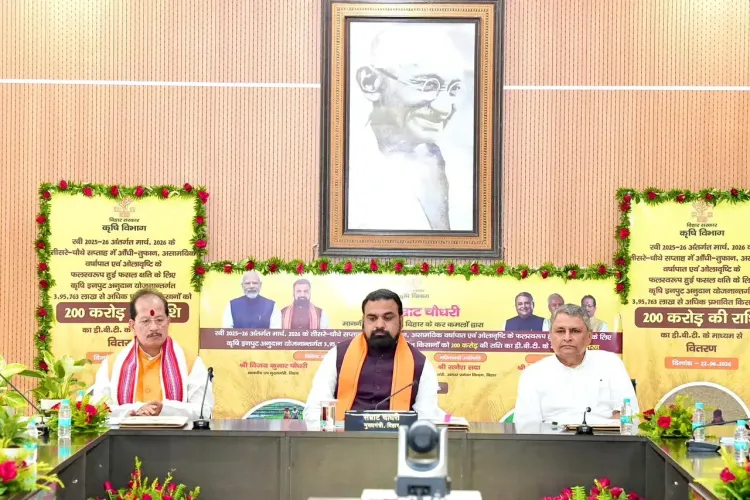
Chief Minister Samrat Choudhary reviewed rabi 2025-26 crop damage caused by storms in the third and fourth weeks of March 2026 at a high-level meeting in Patna, signalling the start of Bihar's formal damage assessment and farmer relief process.
Key Takeaways
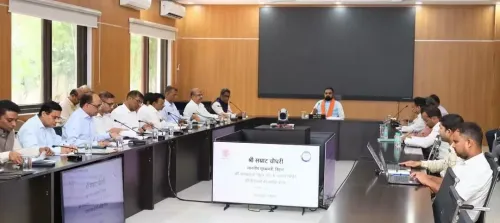
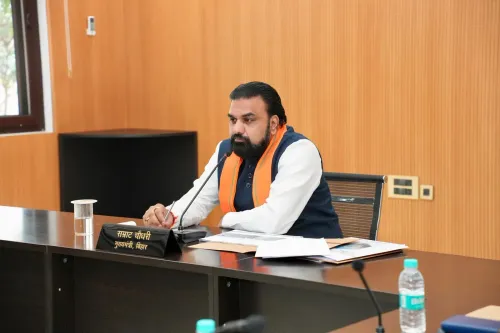
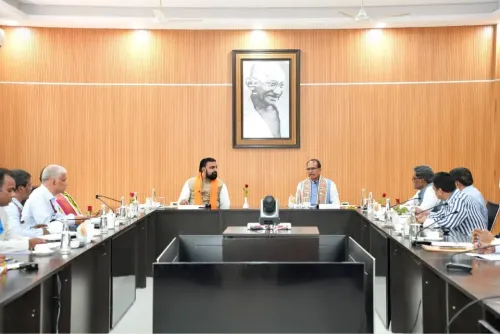
CM Samrat Choudhary chaired a review meeting at Sankalp Sabhagar, Lok Sevak Avas on 22 June 2026 .
The meeting focused on storm and strong-wind damage during the third and fourth weeks of March 2026 in the Rabi 2025-26 season.
Bihar's rabi season runs from October through March-April and is central to the state's agricultural economy, covering wheat, mustard, and pulses.
The review is expected to precede formal district-level damage surveys by the state agriculture department .
Compensation for affected farmers may be processed under the State Disaster Response Fund (SDRF) or through crop insurance schemes.
The Bihar government has previously announced ex-gratia relief after similar rabi storm events in 2018 and 2021 .
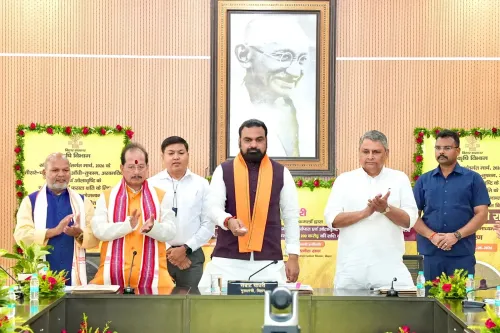
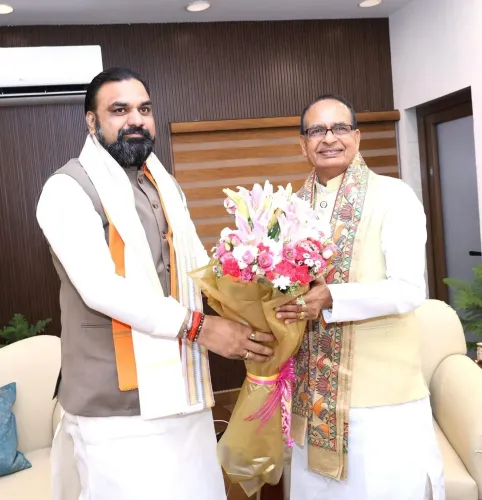
The Chief Minister's Office of Bihar announced on Monday, 22 June 2026 that Chief Minister Samrat Choudhary chaired a review meeting at 'Sankalp Sabhagar', located at Lok Sevak Avas, to assess crop damage caused by storms and strong winds that struck during the third and fourth weeks of March 2026 in the Rabi 2025-26 season.
Context
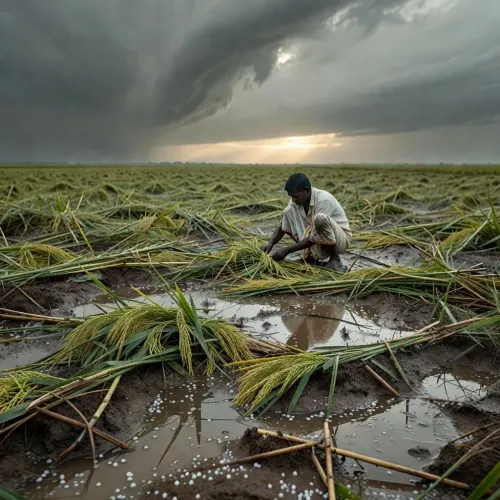
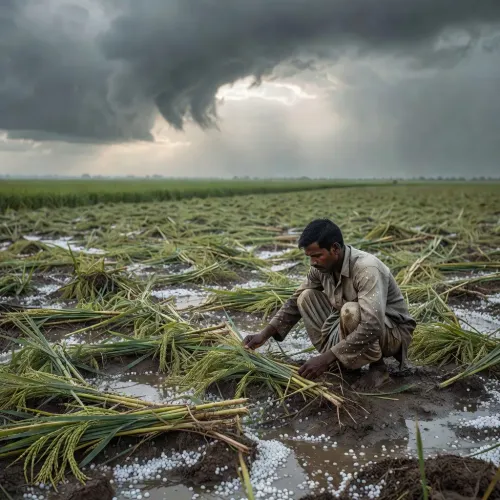
The post states that CM Samrat Choudhary convened the meeting at 'Sankalp Sabhagar' (Sankalp Hall) to review the impact of aandhi-toofan (storms and strong winds) that hit Bihar during the third and fourth weeks of March 2026. The timing coincides with the tail end of the rabi harvesting window, when standing crops of wheat, mustard, and pulses are at peak vulnerability to unseasonal weather events.
Bihar is one of eastern India's most agriculturally significant states, with the rabi season — running roughly from October through March-April — forming the backbone of its farm economy. Unseasonal storms during the harvest period can cause rapid and widespread crop loss before farmers are able to bring produce to threshing floors.
Policy Backdrop
The Bihar government has a documented history of convening post-storm review meetings and announcing ex-gratia relief following unseasonal weather damage to rabi crops, with precedents in 2018 and 2021. Such reviews typically precede formal crop damage surveys conducted by the state agriculture department, and can initiate compensation processes under the State Disaster Response Fund (SDRF).
State administrations in eastern India routinely use these inter-departmental reviews to consolidate district-level damage reports, enabling the government to calibrate relief packages and, where warranted, request central assistance. The choice of Lok Sevak Avas as the venue signals a high-level, coordinated administrative response rather than a routine departmental meeting.
Stakeholders and Impact
The primary stakeholders are Bihar's farming communities, particularly smallholder cultivators of wheat, mustard, and pulses across districts that experienced the March 2026 storm events. Unseasonal storms during the harvest window can destroy standing crops that have already incurred the full cost of cultivation, leaving farmers with little or no income for the season.
The state agriculture department is expected to play a central role in collating district-wise damage estimates that will inform any relief or compensation decision. Crop insurance beneficiaries enrolled under central and state schemes may also be affected, requiring coordination with insurance agencies to expedite claim processing.
What's Next
The immediate next steps will likely involve the release of official crop damage estimates covering the storm-affected districts, followed by a formal announcement of a relief package or facilitation of insurance claims for affected farmers. The government may also submit a memorandum to the central government seeking additional funds under the National Disaster Response Fund (NDRF) if the assessed damage crosses prescribed thresholds.
The outcome of this review meeting is expected to set the timeline for on-ground damage surveys and the disbursal of compensation to eligible farmers, making the formal post-meeting announcements a key moment to watch for Bihar's agricultural community.
Point of View
The timing of this meeting, nearly three months after the storms, raises questions about the pace of damage assessment and whether compensation has already reached affected cultivators. The move fits a broader pattern in eastern Indian states of using high-profile review meetings to demonstrate governmental responsiveness ahead of formal relief announcements. Watchers should track whether this meeting translates into a concrete, time-bound relief package or remains a procedural step in a longer bureaucratic chain.
NationPress
21 Sept 2026
Frequently Asked Questions
What did Bihar CM Samrat Choudhary discuss at the Sankalp Sabhagar meeting?
CM Samrat Choudhary reviewed the crop damage caused by storms and strong winds that hit Bihar during the third and fourth weeks of March 2026, as part of the Rabi 2025-26 season damage assessment process.
Which crops are affected by the March 2026 storms in Bihar?
Bihar's rabi season primarily covers wheat, mustard, and pulses — all of which are vulnerable to unseasonal storms during the March harvest window when crops are standing in the field.
Will Bihar farmers get compensation for the March 2026 storm damage?
The review meeting is expected to precede formal damage surveys and a relief announcement; compensation may be processed under the State Disaster Response Fund or through crop insurance schemes, though no specific package has been announced yet.
Has Bihar provided storm relief to rabi farmers before?
Yes, the Bihar government has previously announced ex-gratia relief and compensation after unseasonal storm damage to rabi crops, with documented instances in 2018 and 2021.
Where is Sankalp Sabhagar in Bihar?
Sankalp Sabhagar is a meeting hall located at Lok Sevak Avas in Patna, which serves as an official government facility used for high-level administrative reviews.