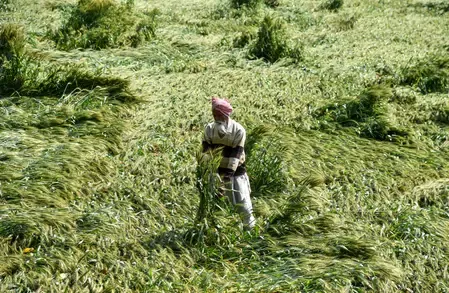
Bihar CM orders crop damage survey after hailstorm, rain
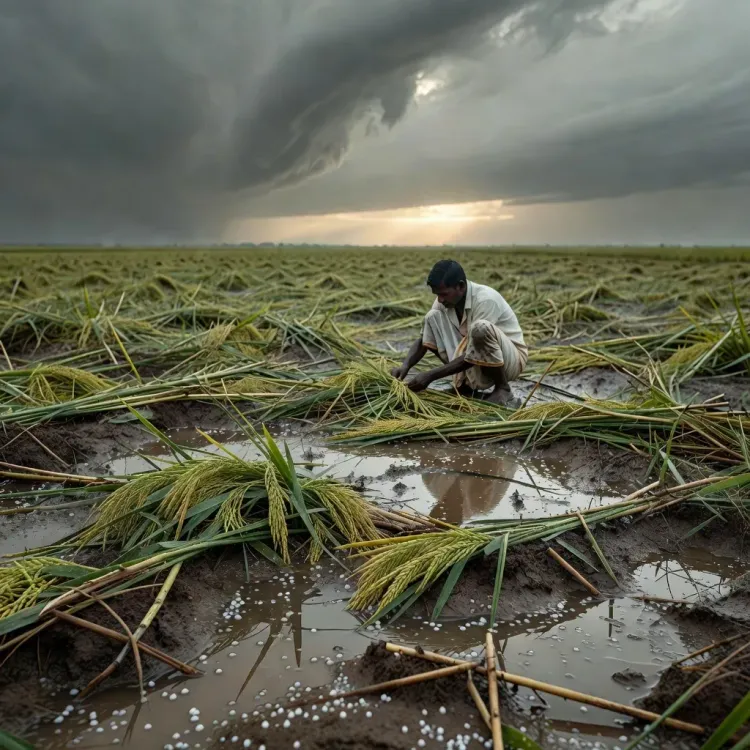
Synopsis
Chief Minister Samrat Chaudhary has directed Bihar's Agriculture and Disaster Management departments to immediately survey crop and fruit-tree damage caused by storms, rain, and hailstorms across multiple districts, triggering the state's established calamity relief assessment process for affected farmers.
Key Takeaways
CM Samrat Chaudhary has ordered an immediate joint survey of crop and fruit damage following storms, rain, and hailstorms in Bihar .
The directive was issued on 29 May 2026 via the official Chief Minister's Office account.
Both the Agriculture Department and the Disaster Management Department have been tasked with conducting the survey.
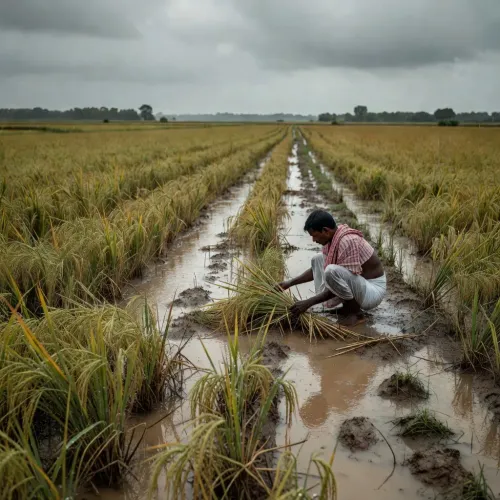
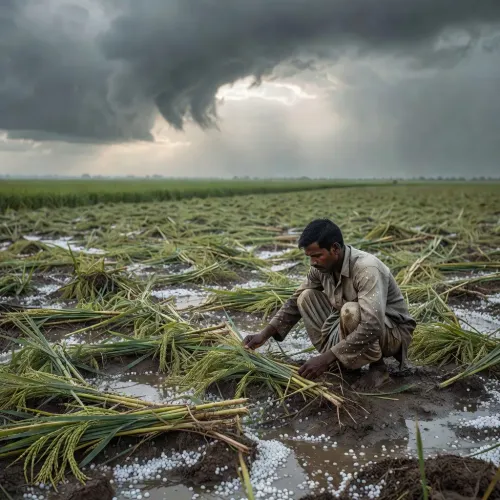
Damage has been reported across 'various districts' of Bihar , affecting standing crops and fruits on trees.
Survey findings will determine eligibility for relief under the State Disaster Response Fund and crop insurance schemes.
The directive follows an established state protocol activated after recurring pre-monsoon weather damage events in the eastern Gangetic plains.
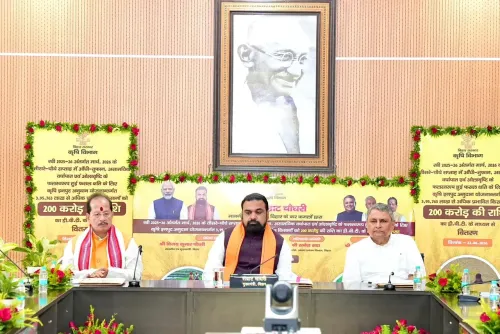
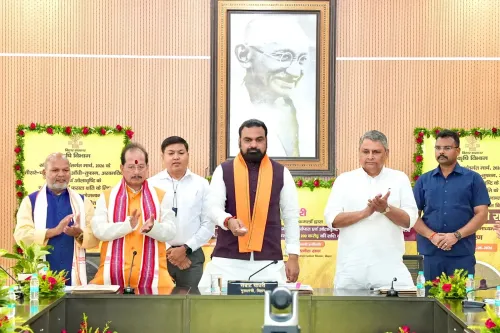
The Chief Minister's Office of Bihar announced on Friday, 29 May 2026 that Chief Minister Samrat Chaudhary has directed the Agriculture Department and the Disaster Management Department to immediately conduct surveys of crop and fruit-tree damage caused by severe storms, rain, and hailstorms across multiple districts of the state.
The official post stated: 'तेज आंधी, वर्षा एवं ओलावृष्टि के कारण राज्य के विभिन्न जिलों में किसानों की फसलों तथा वृक्षों पर लगे फलों को हुई क्षति को गंभीरता से लेते हुए' — meaning, 'Taking seriously the damage caused to farmers' crops and fruits on trees in various districts of the state due to strong storms, rain, and hailstorms,' the Chief Minister has ordered an immediate survey.
Context
Bihar is one of India's most agriculture-dependent states, with a large rural population whose livelihoods are closely tied to seasonal harvests. Pre-monsoon squalls and unseasonal hailstorms in the months leading up to the kharif sowing season are a recurring hazard in the eastern Gangetic plains, often striking when standing crops and orchard fruits are at a vulnerable stage.
The directive from CM Samrat Chaudhary follows what the CMO described as significant damage across 'various districts' of the state, underscoring the geographic spread of the weather event.
Policy Backdrop
Bihar has established administrative protocols for responding to weather-induced agricultural losses. Surveys conducted jointly by the Agriculture Department and the Disaster Management Department form the first step in determining eligibility for relief under the State Disaster Response Fund (SDRF) framework.
Once a survey is completed and damage is quantified, the state government can issue orders for ex-gratia payments to affected farmers or facilitate claims under crop insurance schemes. These procedures are part of the state's broader calamity relief norms that have been activated on multiple occasions following hailstorms and unseasonal rain events in recent years.
Stakeholders and Impact
The primary stakeholders are Bihar's farming communities, particularly those cultivating standing crops and maintaining orchards of mango, litchi, and other fruits that are typically at harvest-readiness in late May. Damage at this stage of the agricultural calendar can translate directly into income loss for smallholder and marginal farmers.
The Agriculture Department and Disaster Management Department are now tasked with rapid field-level assessment across the affected districts. The speed and coverage of this survey will determine how quickly relief can be channelled to verified victims.
What's Next
The immediate next step is the completion of the joint survey ordered by CM Samrat Chaudhary. Officials from both departments are expected to mobilise field teams across the affected districts to document the extent of crop and fruit damage.
The survey report will be the basis for any subsequent government orders on compensation, ex-gratia assistance, or insurance claim facilitation. Farmers and civil society groups in Bihar will be watching closely to see whether the assessment translates into timely, on-the-ground relief before the onset of the full monsoon season.
Point of View
The Chief Minister is activating the full administrative pipeline required for SDRF-linked relief, compressing the usual inter-departmental lag. The move also serves as a public accountability marker: farmers and opposition parties can now track whether the survey translates into actual compensation. Bihar's recurring vulnerability to pre-monsoon hailstorms points to a structural governance gap — reactive relief cycles rather than proactive agro-meteorological preparedness — that this directive does not address but implicitly acknowledges.
NationPress
13 Oct 2026
Frequently Asked Questions
What damage did storms cause to Bihar farmers in May 2026?
Severe storms, heavy rain, and hailstorms caused damage to crops and fruits on trees across multiple districts of Bihar, prompting CM Samrat Chaudhary to order an immediate government survey on 29 May 2026.
What is the Bihar government doing to help farmers after the hailstorm?
The Chief Minister has directed the Agriculture Department and Disaster Management Department to immediately conduct surveys to assess the extent of damage, which will determine eligibility for compensation under the State Disaster Response Fund and crop insurance schemes.
Who ordered the crop damage survey in Bihar?
Chief Minister Samrat Chaudhary issued the directive through the Chief Minister's Office on 29 May 2026.
Which departments are conducting the crop survey in Bihar?
The Agriculture Department and the Disaster Management Department of Bihar have been jointly tasked with carrying out the immediate survey.
Will Bihar farmers get compensation for hailstorm crop damage?
Compensation eligibility will be determined after the joint survey report is submitted. Verified losses can qualify for ex-gratia payments or insurance claim facilitation under the State Disaster Response Fund framework.