PM Modi Calls on Indians to Celebrate Handloom Day
Synopsis
Prime Minister Narendra Modi has called on Indians to celebrate National Handloom Day on 7 August 2026 by sharing GRWM and handloom product videos on social media under #NationalHandloomDay, spotlighting India's weaving heritage rooted in the 1905 Swadeshi Movement.
Key Takeaways
National Handloom Day is observed every 7 August , a tradition formally established in 2015 by the Government of India.
The date commemorates the launch of the Swadeshi Movement on 7 August 1905 , when Indians pledged to boycott foreign cloth.
PM Modi specifically called for GRWM (Get Ready With Me) videos featuring handloom products, targeting younger social-media audiences.
The Ministry of Textiles coordinates National Handloom Day activities and related weaver-support schemes.
India's handloom sector sustains millions of artisans in clusters across states including Uttar Pradesh, Telangana, Madhya Pradesh, and Manipur .
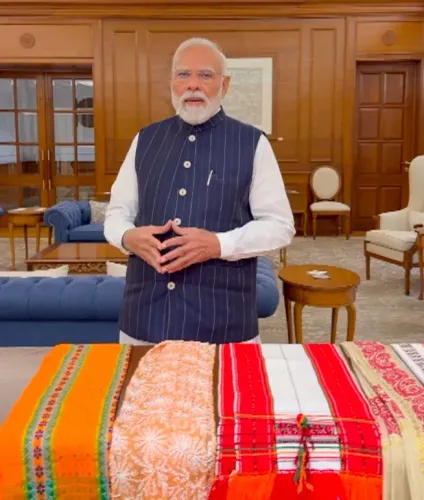
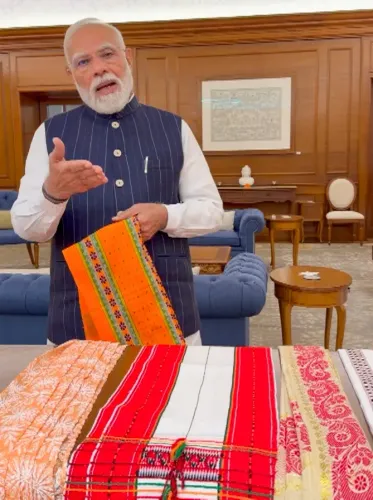
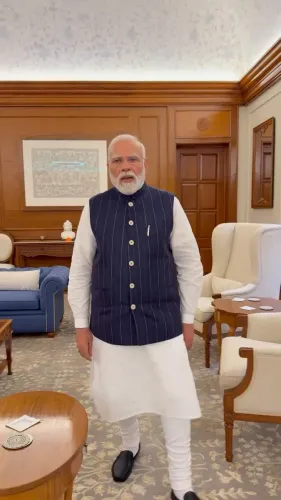
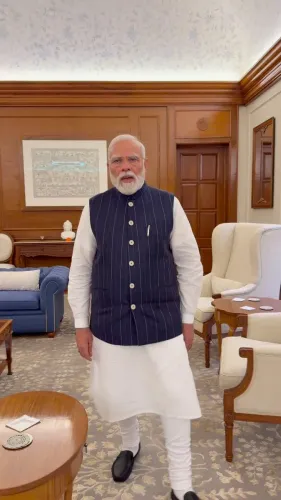
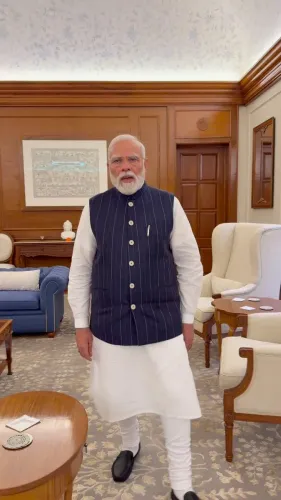
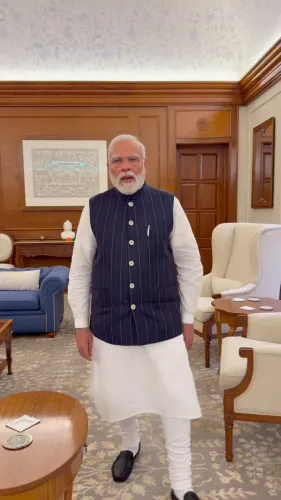
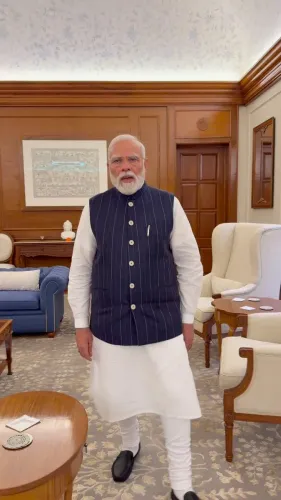
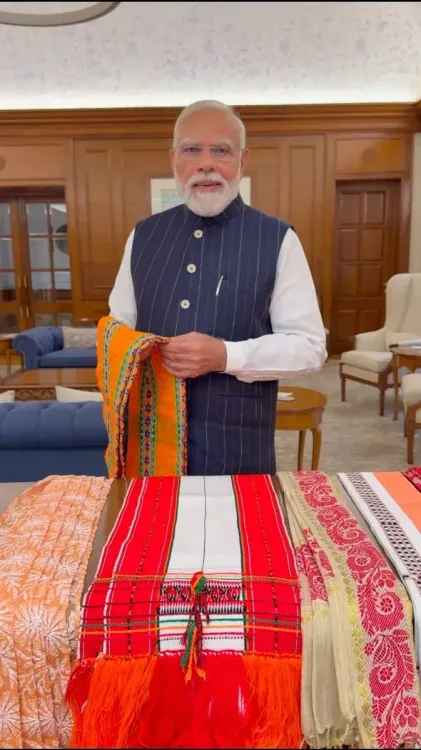
A century-old act of resistance now anchors one of India's most culturally resonant annual occasions. On the eve of National Handloom Day, 7 August 2026, Prime Minister Narendra Modi took to X to invite citizens across the country to spotlight India's handloom heritage — and to do it with their own hands, their own wardrobes, and their own cameras.
Modi urged Indians to share videos featuring their favourite handloom products on social media, including GRWM ('Get Ready With Me') videos, under #NationalHandloomDay. The call is direct and participatory: make the diversity visible, one reel at a time.
From the Swadeshi bonfire to a social-media movement
National Handloom Day was formally instituted by the Government of India in 2015, pegged to 7 August 1905 — the date the Swadeshi Movement was launched in Calcutta, when Indians publicly burned foreign cloth and pledged to wear homespun. The Ministry of Textiles coordinates the annual observance, which is designed to honour weavers and remind a modern consumer economy of the sector's depth and reach.
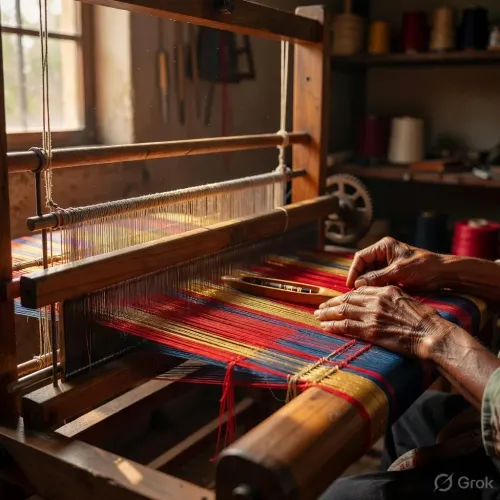
The handloom industry remains one of India's largest rural employers, sustaining millions of weavers and artisans in clusters from Varanasi to Pochampally, from Chanderi to Manipur. Each cluster carries a distinct weave, a distinct story — and, increasingly, a GI tag to protect it.
Why the GRWM nudge matters
The specific mention of GRWM videos is deliberate. That format — short, personal, aspirational — commands enormous traction among younger audiences on Instagram and YouTube. By naming it explicitly, Modi is signalling that handloom promotion needs to live where attention already is, not just in government exhibitions.
This is part of a recurring annual pattern: each 7 August, the occasion generates a spike in social-media conversation around traditional textiles, with citizens and celebrities posting in handwoven sarees, kurtas, and stoles. The hashtag functions as a rolling catalogue of regional craft.
The weavers who will benefit most from that visibility are the ones who rarely appear in the frame — but whose work does.
Point of View
Amplifying reach far beyond official channels. For the handloom sector, however, the real test remains whether annual digital visibility translates into sustained demand and weaver income — a question the post, by design, does not answer.
NationPress
21 Sept 2026
Frequently Asked Questions
When is National Handloom Day celebrated in India?
National Handloom Day is celebrated every year on 7 August . The date was chosen to mark the anniversary of the Swadeshi Movement, launched on 7 August 1905.
Why was National Handloom Day started?
The Government of India instituted National Handloom Day in 2015 to honour India's handloom weavers and promote indigenous textiles, linking the occasion to the Swadeshi Movement of 1905.
What did PM Modi say about National Handloom Day 2026?
PM Modi called on Indians to share videos — including GRWM videos — featuring their favourite handloom products on social media using #NationalHandloomDay , ahead of the 7 August 2026 observance.
What is the Swadeshi Movement and its link to Handloom Day?
The Swadeshi Movement was launched on 7 August 1905 in Calcutta, when Indians publicly burned foreign cloth and pledged to use homespun goods. National Handloom Day is pegged to this anniversary to honour that spirit of indigenous production.
Which ministry organises National Handloom Day events?
The Ministry of Textiles is the central ministry responsible for declaring and coordinating National Handloom Day activities and related weaver-support programmes.