CM Samrat Choudhary Visits Ancestral Village Lakhnapur
Synopsis
Bihar Chief Minister Samrat Choudhary visited his ancestral village Lakhnapur on 19 October 2026, meeting common residents, inquiring about their welfare, and sharing what he called moments of affection and belonging — a grassroots connect exercise by the senior BJP leader.
Key Takeaways
Bihar CM Samrat Choudhary visited his ancestral village Lakhnapur on 19 October 2026 .
He met ordinary residents, asked after their well-being, and engaged in personal conversation.
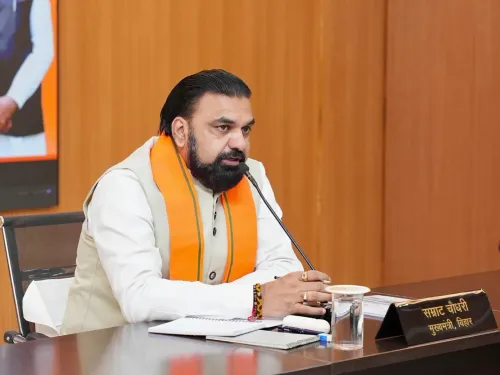
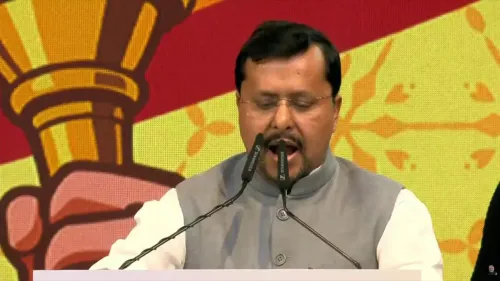
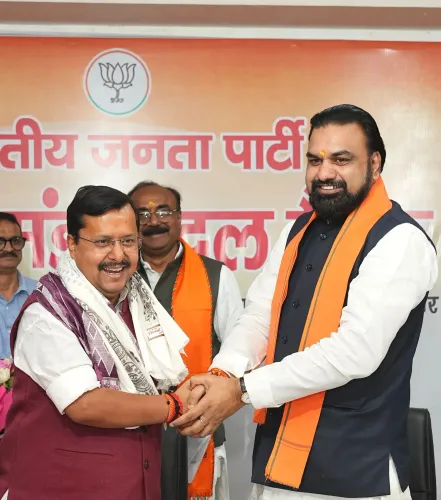
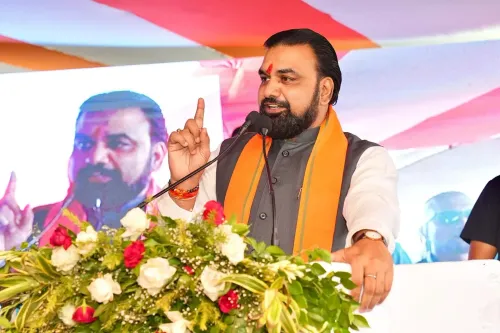
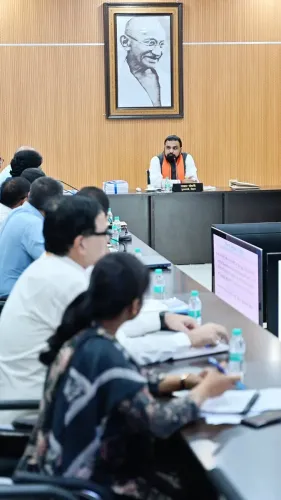
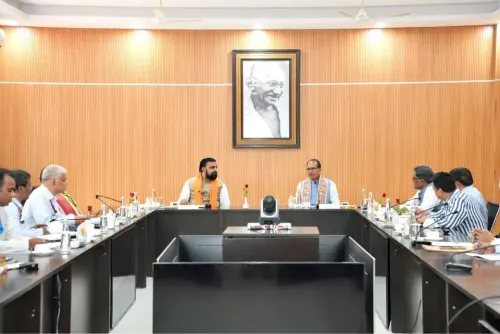
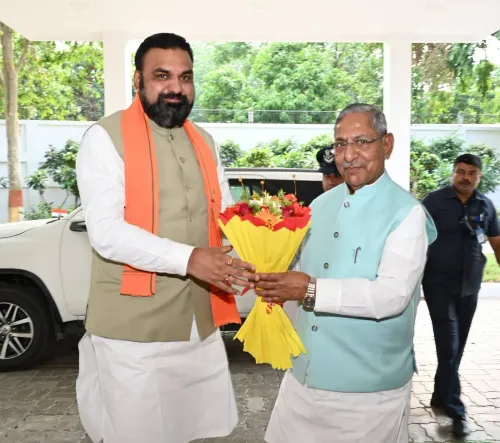
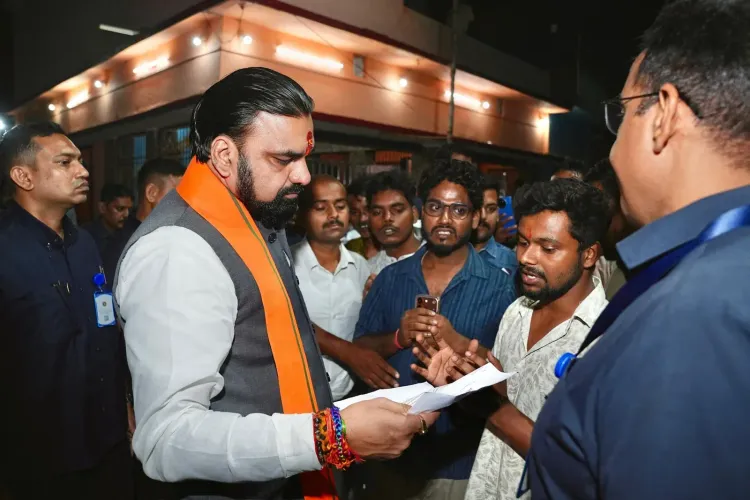
The visit was accompanied by four photographs shared on X, showing him among villagers.
No policy announcement or official programme was attached to the visit.
The outreach reflects a broader pattern of Indian political leaders using ancestral-village visits to signal grassroots connect.
Bihar Chief Minister Samrat Choudhary stepped away from the corridors of power on Monday, 19 October 2026, to walk the lanes of his ancestral village — Lakhnapur — meeting ordinary residents, asking after their welfare, and sharing what he described as moments of warmth and belonging.
In his own words on X, Choudhary wrote: 'Apne paitrik gaon Lakhnapur mein aamjanon se mulaqat kar unka kushalkshema jana evam samvaad kar apnatva aur sneh ke pal saajhe kiye' — 'Met the common people of my ancestral village Lakhnapur, inquired about their well-being, conversed with them, and shared moments of affection and belonging.'
Lakhnapur and the politics of homecoming
For Indian political leaders, the ancestral-village visit is a well-worn ritual — but it carries real signal. It projects rootedness, accessibility, and a reminder to the base that power has not created distance. For a sitting Chief Minister, walking into a village without a ribbon to cut or a scheme to launch is itself a statement: that governance is not only about announcements.
Choudhary, a senior BJP leader who leads the government in Patna, has built his political identity around direct public connect. The four photographs attached to the post — showing him among residents — reinforce that image without requiring a single policy hook.
Quiet diplomacy of the familiar
There is a reason these visits happen and get shared. Bihar's electorate is vast, rural, and attentive to whether its leaders remember where they came from. A Chief Minister who can sit on a charpoy in Lakhnapur and ask 'how are you?' in the same breath as running a state of roughly 130 million people sends a message no press release can replicate. The village becomes the backdrop; the people become the story.
No policy announcement, no programme launch, no electoral calendar event was attached to this visit — making it precisely the kind of unscheduled, unhurried moment that political communication strategists call 'earned authenticity.'
Point of View
An unscheduled ancestral-village visit carries soft but deliberate political weight — it reinforces the narrative of a leader who has not lost touch with his roots, a quality Bihar's largely rural electorate tends to value. Choudhary's decision to share the moment publicly, with photographs but without any programmatic hook, suggests a calculated emphasis on personal image over policy signalling. In the BJP's broader communication playbook, such moments complement scheme-based outreach by humanising the leader. The visit is unlikely to shift any immediate political equation, but it feeds a steady drumbeat of visibility at the grassroots level.
NationPress
20 Oct 2026
Frequently Asked Questions
Which village did Samrat Choudhary visit on 19 October 2026?
Bihar Chief Minister Samrat Choudhary visited Lakhnapur , his ancestral village, on 19 October 2026 , where he met residents and inquired about their welfare.
What did Samrat Choudhary do at Lakhnapur village?
He met common residents, asked after their well-being, held conversations, and shared what he described as moments of affection and belonging — as posted on X with four photographs.
Is Samrat Choudhary the Chief Minister of Bihar?
Yes, Samrat Choudhary is the Chief Minister of Bihar and a senior leader of the Bharatiya Janata Party (BJP) .
Was there any policy announcement during Samrat Choudhary's Lakhnapur visit?
No. The visit was a personal public-connect exercise with no policy announcement, scheme launch, or official programme attached to it.
Why do Indian politicians visit their ancestral villages?
Ancestral-village visits are a common part of Indian political communication — they signal rootedness, accessibility, and connection to the grassroots base, particularly important in rural-majority states like Bihar.