CM Samrat Choudhary hits back at Congress, RJD over Bihar vote-theft claims

Synopsis
Bihar CM Samrat Choudhary, citing BJP National President Nitin Nabin, charges Congress and RJD with raising vote-theft allegations in Bihar while skipping the Election Commission's 60-day formal complaint window — accusing the opposition of attacking constitutional institutions.
Key Takeaways
Bihar CM Samrat Choudhary publicly accused Congress and RJD of alleging vote theft in Bihar without filing formal complaints.
The Election Commission of India provides a 60-day claim-and-objection period under the Representation of the People Act, 1950 for raising electoral roll grievances.
Choudhary quoted BJP National President Nitin Nabin in his post, amplifying the charge as an official party position.
The CM framed the opposition's conduct as an 'attack on constitutional institutions', escalating the rhetoric beyond procedural criticism.
This exchange follows a broader national pattern of opposition parties raising post-result election allegations that ruling parties counter with the absence of formal ECI filings.
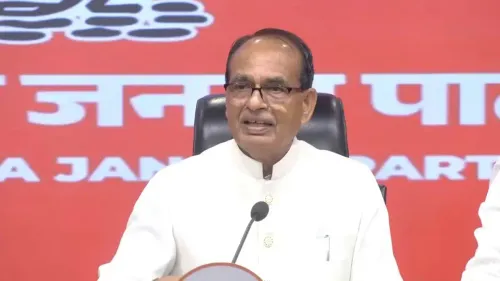
In Bihar's sharpening political battleground, Bihar Chief Minister Samrat Choudhary has delivered a pointed counter to the opposition, calling out Congress and the Rashtriya Janata Dal (RJD) for raising vote-theft allegations without filing a single formal complaint during the Election Commission of India's designated 60-day claim-and-objection window.
Quoting BJP National President Nitin Nabin on X on 2 November 2026, the Chief Minister amplified the charge directly: 'Bihar mein bhi Congress aur RJD ne vote chori ka aarop lagaya tha lekin 60 dinon ki dawa-aapatti prakriya mein shikayatein darj nahin karaeen.' ('In Bihar too, Congress and RJD levelled vote-theft allegations but did not register complaints during the 60-day claim-objection process.')
The 60-day window — and why it matters
India's electoral framework, rooted in the Representation of the People Act, 1950, grants citizens and political parties a formal period to raise objections to electoral rolls — deletions, additions, corrections — before they are finalised. The Election Commission of India (ECI) administers this process, and it stands as the prescribed legal avenue for contesting any irregularities. Not using it, as Choudhary's post implies, is a significant procedural omission. If the grievance was real, the remedy was available. The silence during that window is now the central exhibit for the BJP.
A pattern the BJP is quick to name
This is not an isolated moment. Across India's recent electoral cycle, opposition parties have raised post-result allegations of roll tampering or vote theft — a pattern that ruling parties at the Centre and in states have consistently countered by pointing to the absence of formal ECI complaints. Choudhary's post fits squarely into that template, but it carries extra political charge in Bihar, where the NDA and the Mahagathbandhan alliance anchored by RJD have fought bruising electoral contests in recent years.
Choudhary's sharper accusation: attacks on constitutional institutions
The CM's post does not stop at procedural critique. It escalates to a broader indictment — that an opposition 'repeatedly rejected by the public' has now turned to attacking constitutional bodies. The phrase 'sanvaidhanik sansthaon par hamle' ('attacks on constitutional institutions') is a deliberate political framing, positioning the opposition's rhetoric not merely as electoral grievance but as a threat to institutional credibility. It is the kind of language designed to shift the debate from the specifics of voter rolls to the legitimacy of the ECI itself.
Whether the Election Commission responds formally to the controversy over Bihar's electoral rolls — and what the next revision cycle reveals — will determine how much oxygen this dispute retains going forward.
Point of View
Using the Election Commission's own institutional framework as the shield. By foregrounding the unused 60-day objection window, the BJP shifts the burden of proof onto the opposition without engaging the substance of the allegations at all. The invocation of 'attacks on constitutional institutions' is particularly strategic — it reframes electoral grievance as anti-institutional conduct, a framing the NDA has deployed nationally to delegitimise dissent against electoral outcomes. The deeper tension here is an old one: India's opposition parties argue that the ECI's formal processes are themselves contested terrain, while the ruling coalition uses procedural compliance as the gold standard of credibility.
NationPress
3 Nov 2026
Frequently Asked Questions
What did Bihar CM Samrat Choudhary say about vote-theft allegations by Congress and RJD?
Choudhary said Congress and RJD levelled vote-theft allegations in Bihar but did not register a single formal complaint during the Election Commission's 60-day claim-and-objection period, calling their conduct an attack on constitutional institutions.
What is the 60-day claim-objection process in Indian elections?
Under the Representation of the People Act, 1950, the Election Commission of India conducts periodic revisions of electoral rolls during which citizens and parties have a designated window — typically around 60 days — to file claims for additions, deletions, or corrections. Not filing during this window forecloses most formal electoral roll challenges.
Who is Nitin Nabin and what role did he play in this controversy?
Nitin Nabin is the BJP's national president. Bihar CM Samrat Choudhary's post on X directly quoted Nabin's statement on the Congress-RJD vote-theft allegations, giving the charge official party-level endorsement.
Have Congress and RJD responded to Samrat Choudhary's allegations?
No formal response from Congress or RJD to Choudhary's specific post has been confirmed in available information.
Is raising vote-theft allegations after an election common in Indian politics?
Yes. Post-result allegations of electoral roll irregularities or vote theft by opposition parties are a recurring pattern in Indian elections at both state and national levels. Ruling parties routinely counter by citing the absence of complaints filed during the ECI's prescribed revision periods.