CM Conrad Sangma Condemns Sexual Abuse of Minor in Nagaland
Synopsis
Meghalaya Chief Minister Conrad Sangma condemned the alleged sexual abuse of a minor from Nagaland's Chang community on 31 May 2026, urging authorities to pursue a swift, fair investigation under the POCSO Act and expressing solidarity with the victim and her family.
Key Takeaways
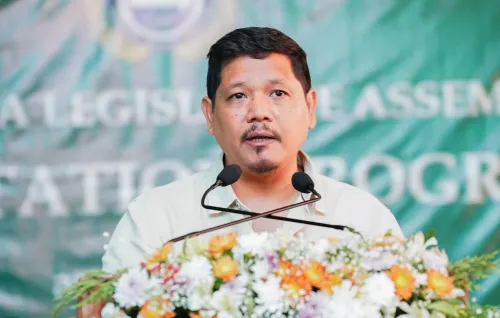
Conrad Sangma , Meghalaya Chief Minister and NPP national president, publicly condemned the alleged sexual abuse of a minor girl from the Chang community in Nagaland .
He specifically urged authorities to invoke the POCSO Act , India's central child-protection legislation enacted in 2012 , in pursuing the case.
Sangma called for a 'swift, fair investigation' and expressed that 'no child should endure such trauma.' The statement reflects a broader pattern of cross-state political solidarity on child-safety issues across Northeast India .
The Nagaland Police investigation and any formal POCSO charges or court proceedings will be the key developments to follow.
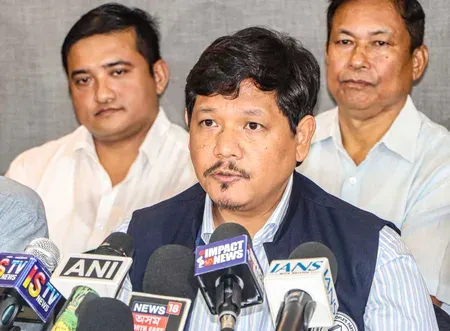
Meghalaya Chief Minister Conrad Sangma on Sunday, 31 May 2026, publicly condemned the alleged sexual abuse of a minor girl from the Chang community in Nagaland, calling for a swift and fair investigation under all applicable laws, including the Protection of Children from Sexual Offences (POCSO) Act.
Context
Posting on X, Conrad Sangma stated: 'Condemn the alleged sexual abuse of a minor girl from the Chang community in Nagaland. Crimes against children are unacceptable and must be dealt with firmly.' He added that 'no child should endure such trauma' and urged authorities to pursue justice under all relevant laws.
The Chang community is one of the recognised tribal groups of Nagaland, a northeastern state that shares geographic and ethnic ties with neighbouring Meghalaya. Sangma, as both Meghalaya Chief Minister and national president of the National People's Party (NPP), has a political and regional stake in issues affecting communities across the Northeast.
Policy Backdrop
The POCSO Act, enacted by Parliament in 2012, is India's primary central legislation protecting children from sexual offences. It mandates special courts, time-bound trials, and stringent penalties for offenders, and places specific obligations on authorities to treat child victims with sensitivity.
Implementation of child-protection laws has remained a recurring administrative and political concern across northeastern states, where institutional capacity and community awareness continue to be areas of active policy focus. Invoking POCSO publicly signals an expectation that investigators pursue the most rigorous available legal framework.
Stakeholders and Impact
The immediate stakeholders are the minor victim, her family, and the broader Chang community in Nagaland. Sangma's statement extends solidarity from a neighbouring state's leadership and from a regional political party that operates across multiple northeastern states.
Indian political figures across party lines routinely issue public statements on reported crimes against children, and such statements carry weight in directing public and administrative attention toward pending investigations. The cross-border nature of this commentary reflects the shared social fabric of the Northeast, where tribal communities frequently span state boundaries.
What's Next
Nagaland Police are expected to face public scrutiny over the pace and fairness of their investigation into the alleged incident. The filing of formal charges under the POCSO Act and any subsequent court proceedings will be closely watched by civil society groups and child-rights advocates in the region.
Sangma's call for a 'swift, fair investigation' adds political pressure on state authorities to act transparently. The broader challenge for northeastern states remains ensuring that child-protection legislation translates into consistent, on-the-ground enforcement that reaches tribal and remote communities.
Point of View
His party's footprint spans multiple northeastern states, and speaking out on a Nagaland case reinforces his role as a voice for the broader Northeast, not just Meghalaya. The explicit invocation of the POCSO Act is significant — it signals an expectation of rigorous legal process and subtly pressures Nagaland's administration to not treat the case as a local matter. Such statements also serve to keep child-protection enforcement in the public eye at a time when implementation gaps in tribal and remote areas remain a documented concern. The cross-border solidarity framing is consistent with how Northeast politicians increasingly position themselves as regional stakeholders rather than narrow state actors.
NationPress
21 Oct 2026
Frequently Asked Questions
What did Conrad Sangma say about the Nagaland child abuse case?
Conrad Sangma condemned the alleged sexual abuse of a minor girl from the Chang community in Nagaland , called for a swift and fair investigation, and urged authorities to pursue justice under the POCSO Act .
What is the POCSO Act and why is it relevant here?
The Protection of Children from Sexual Offences (POCSO) Act , enacted in 2012 , is India's central law protecting children from sexual crimes. It mandates special courts, time-bound trials, and stringent penalties, making it the primary legal framework for cases involving child victims.
Who are the Chang community in Nagaland?
The Chang are one of the recognised tribal communities of Nagaland in northeastern India. Like other Naga tribes, they have distinct cultural traditions and are among the groups protected under tribal welfare provisions in the state.
Why is the Meghalaya Chief Minister commenting on a Nagaland case?
Conrad Sangma is both Meghalaya Chief Minister and national president of the National People's Party , which operates across multiple northeastern states. Northeastern states share strong ethnic, geographic, and political ties, making cross-border commentary on social issues common among regional leaders.
What action has been demanded in the Nagaland minor abuse case?
Sangma has urged Nagaland authorities to ensure a 'swift, fair investigation' and to pursue all charges available under relevant laws, specifically naming the POCSO Act . The progress of the Nagaland Police investigation and any court proceedings will be the key developments to watch.