CM Conrad Sangma grants ₹25 Lakh to Tura Natya Samity centenary
Synopsis
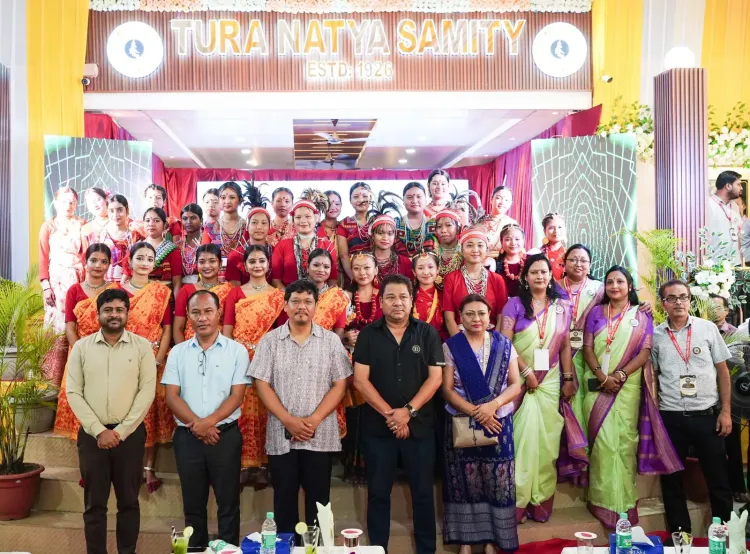
Meghalaya Chief Minister Conrad Sangma attended the centenary of the Tura Natya Samity on 23 May 2026 and announced a ₹25 Lakh state grant for infrastructure development, framing cultural investment as a tool for unity and youth empowerment in West Garo Hills.
Key Takeaways
CM Conrad Sangma attended the centenary celebrations of the Tura Natya Samity in Tura on 23 May 2026 .
The state government sanctioned ₹25 Lakhs for infrastructure development at the Samity.
The Tura Natya Samity has operated as a theatre and cultural body for 100 years , serving the Garo community in West Garo Hills .
The grant is aimed at supporting young artists and strengthening cultural infrastructure in the region.
CM Sangma linked the funding to the goal of 'unity in diversity through culture,' reflecting the NPP government's broader social-cohesion framing.
Disbursement will be routed through the Meghalaya state cultural department; no utilisation timeline has been announced.
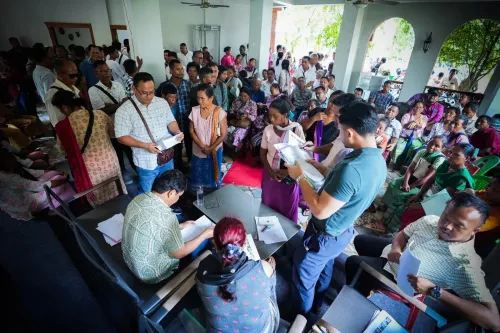
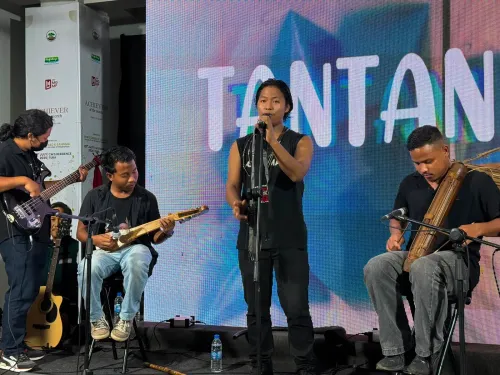
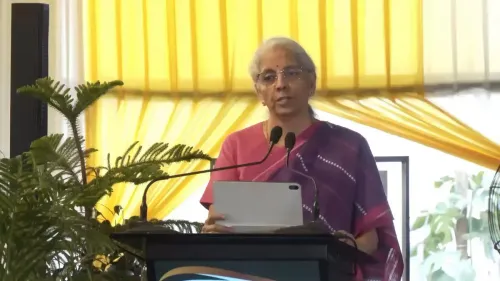
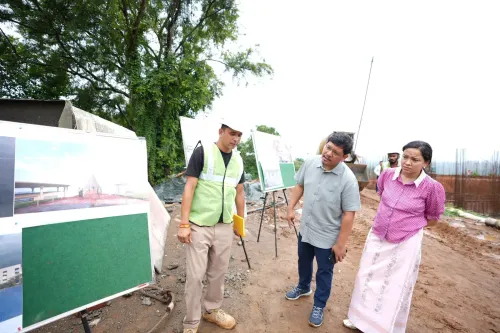
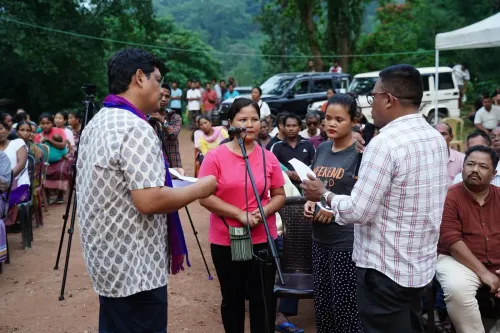
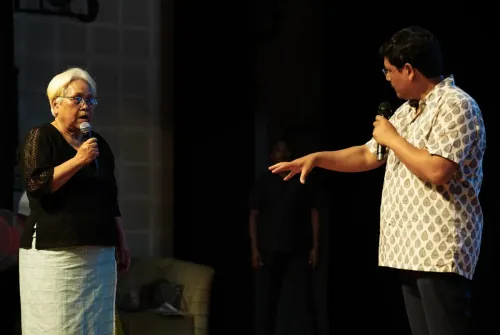
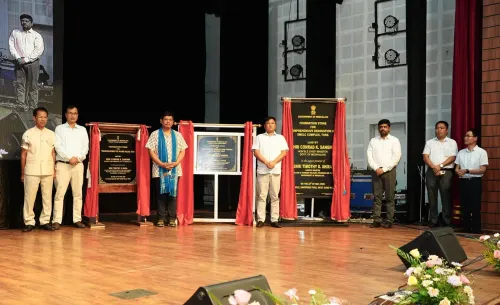
Meghalaya Chief Minister Conrad Sangma attended the centenary celebrations of the Tura Natya Samity in Tura on Saturday, 23 May 2026, and announced a state grant of ₹25 Lakhs for infrastructure development at the century-old cultural institution.
Context
The Tura Natya Samity, based in Tura — the headquarters of West Garo Hills district in Meghalaya — has functioned as a theatre and performing-arts body for 100 years, making it one of the oldest cultural organisations in the region. CM Sangma, joining the centenary event in person, described the Samity as 'a vibrant hub of art, culture, and creativity, enriching our community and nurturing talent across generations.'
Tura holds particular significance as a centre of Garo community cultural life, and the Samity's longevity reflects sustained grassroots engagement with indigenous performing arts in the Northeast.
Policy Backdrop
Since taking office in 2018, the Conrad Sangma-led government has periodically directed funds toward tribal arts preservation and local cultural institutions across Meghalaya. The ₹25 Lakh sanction announced on Saturday follows that pattern, channelling state resources toward physical infrastructure rather than programming, which is intended to create durable capacity for young artists.
State governments across Northeast India routinely extend modest infrastructure grants to longstanding cultural bodies as a means of sustaining indigenous performing arts. Such announcements, particularly at milestone events, also reinforce government visibility within community life — a dynamic especially relevant for regional parties like the National People's Party (NPP), which leads the Meghalaya government and frames cultural investment as integral to social cohesion.
Stakeholders and Impact
The primary beneficiaries of the grant are local artists and young performers affiliated with the Samity, who stand to gain improved rehearsal, performance, and training infrastructure. The broader Garo community in and around West Garo Hills is also a key stakeholder, given the Samity's role in preserving regional theatrical traditions.
CM Sangma framed the grant explicitly around 'unity in diversity' — signalling that the government views cultural institutions not merely as heritage assets but as instruments of inter-community solidarity in a state marked by significant ethnic and linguistic plurality.
What's Next
Attention will now turn to disbursement: the ₹25 Lakh sanction will need to be processed through the Meghalaya state cultural department, and the timeline for actual fund release and utilisation has not yet been specified. Observers of state cultural policy will watch whether similar grants appear in the next Meghalaya budget session, which would indicate a more systematic approach rather than event-driven allocation.
The centenary of the Tura Natya Samity offers the state government an opportunity to articulate a longer-term vision for arts infrastructure in West Garo Hills — a vision that will be tested by how swiftly and transparently the announced funds reach the institution.
Point of View
A region that has historically been a key constituency for the NPP. The 'unity in diversity' framing is also notable, suggesting the government is using cultural grants as a soft instrument to manage ethnic plurality in a state with complex tribal dynamics. Whether this remains a one-off centenary gesture or seeds a more structured arts-infrastructure programme will define its lasting policy significance.
NationPress
19 Sept 2026
Frequently Asked Questions
What did Conrad Sangma announce at the Tura Natya Samity centenary?
CM Conrad Sangma announced a sanction of ₹25 Lakhs for infrastructure development at the Tura Natya Samity during its centenary celebrations in Tura on 23 May 2026.
How old is the Tura Natya Samity?
The Tura Natya Samity is 100 years old, having served as a theatre and cultural organisation in Tura, West Garo Hills, Meghalaya, for a century.
Where is Tura located in Meghalaya?
Tura is the headquarters of West Garo Hills district in Meghalaya and is a major centre of Garo community cultural life in Northeast India.
What is the National People's Party's stance on cultural funding?
The NPP-led Meghalaya government under CM Conrad Sangma has periodically allocated state funds for tribal arts and local cultural institutions since 2018, framing such investment as a means of promoting social cohesion.
When will the ₹25 Lakh grant to Tura Natya Samity be disbursed?
No specific disbursement timeline has been announced; the funds are expected to be processed through the Meghalaya state cultural department.