CM Sawant Pushes Goa Artisan Schemes via Webinar
Synopsis
Goa Chief Minister Pramod Sawant on 8 August 2026 engaged artisans, weavers, and coir workers through a virtual webinar, outlining six state schemes — including the Preferential Purchase Scheme, Vishwakarma Kaushal Yojana, and the upcoming Kunbi Craft Village — under the Swayampurna Goa self-reliance mission.
Key Takeaways
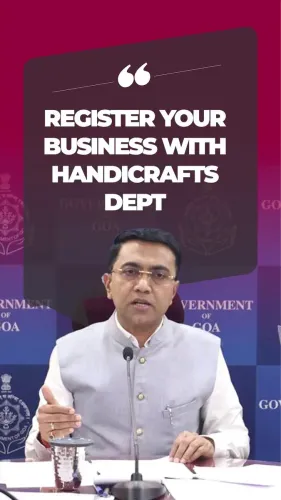
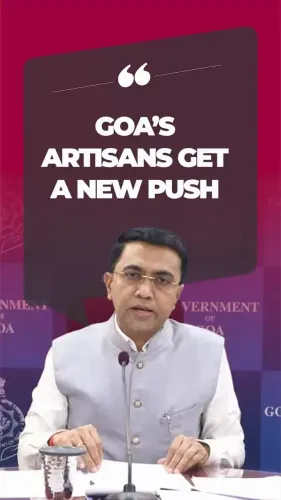
CM Pramod Sawant held a virtual webinar on 8 August 2026 with Goa's artisans, weavers, coir workers, and Taluka Nodal Officers.
Six schemes were highlighted: Preferential Purchase Scheme , Vishwakarma Kaushal Yojana , Swavalamban Yojana , Aparant Maand , Goa Handicrafts e-Portal , and the upcoming Kunbi Craft Village .
The GHRSSIDC was cited as a key implementation body reflecting the government's Swayampurna Goa vision.
Goa's Vishwakarma Kaushal Yojana aligns with the central PM Vishwakarma scheme launched in 2023 .
The Kunbi Craft Village is designed as a dedicated hub for Kunbi community textile traditions; its rollout timeline is yet to be confirmed.
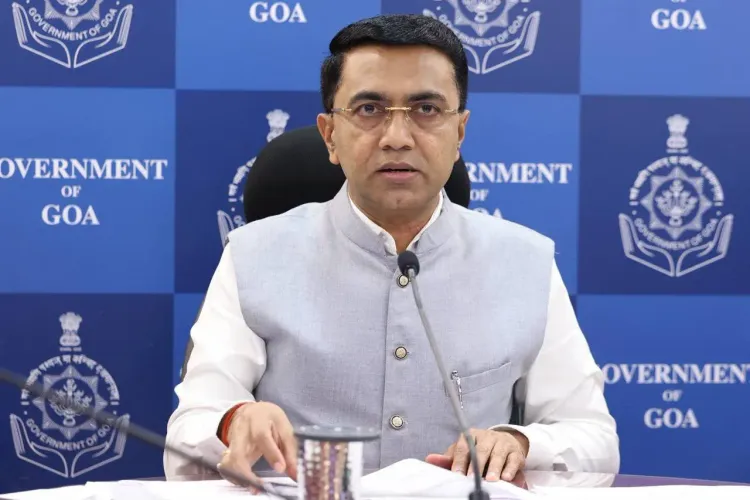
Goa's traditional weavers, coir workers, and craftspeople got a direct line to their Chief Minister on Saturday, 8 August 2026, when Goa Chief Minister Pramod Sawant held a virtual webinar with artisans, Swayampurna Mitras, and Taluka Nodal Officers to walk through the state's full slate of handicraft and textile support schemes.
Six schemes, one goal: a self-sufficient Goa
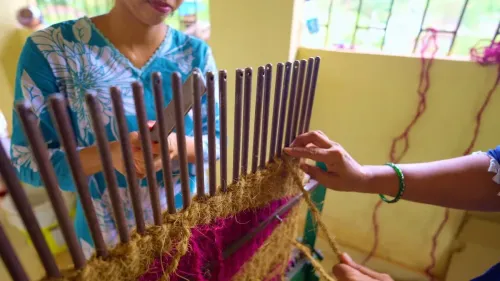
Sawant spotlighted six distinct pillars driving the state's artisan economy: the Preferential Purchase Scheme, Vishwakarma Kaushal Yojana, Swavalamban Yojana, Aparant Maand, the Goa Handicrafts e-Portal, and the forthcoming Kunbi Craft Village. Together, they form the operational backbone of the state's Swayampurna Goa vision — a self-reliance initiative launched to generate local employment and protect traditional occupations. The Preferential Purchase Scheme nudges government procurement toward Goan artisan goods; the e-Portal opens digital market access; and the Kunbi Craft Village, still in the pipeline, is designed as a dedicated hub for the Kunbi community's textile traditions.
Vishwakarma Kaushal Yojana and the national thread
The Vishwakarma Kaushal Yojana is Goa's state-level adaptation of the central PM Vishwakarma scheme — announced by the Government of India in 2023 — which packages skill training, credit access, and market linkages for traditional craftspeople nationwide. Goa's version channels that same logic locally, sitting alongside the broader Vocal for Local campaign that emerged from the Atmanirbhar Bharat package in 2020. The state is, in effect, translating a national policy mandate into district-level delivery through bodies like the GHRSSIDC — the Goa Handicrafts, Rural and Small Scale Industries Development Corporation — which Sawant cited as a marker of the government's progress.
What the Kunbi Craft Village signals
The Kunbi community's handloom traditions are among Goa's most distinctive cultural assets, and a dedicated craft village would give artisans consolidated infrastructure, tourist footfall, and better price discovery — challenges that have historically pushed skilled weavers toward informal, low-margin work. The timeline and funding for that project remain the clearest thing to watch as the state moves from webinar to construction. When those numbers land — in a budget speech or an assembly session — they will tell the real story of how far the ambition travels.
Point of View
But the real test is delivery: whether GHRSSIDC can move beneficiary numbers and whether the Kunbi Craft Village clears the gap from blueprint to brick. States that have built dedicated craft clusters — with real market linkages, not just infrastructure — have seen measurable income gains for weavers; Goa's model will be judged by the same metric.
NationPress
23 Sept 2026
Frequently Asked Questions
What is the Swayampurna Goa initiative?
Swayampurna Goa is a Goa government self-reliance initiative aimed at achieving local employment, skill development, and support for traditional occupations including handicrafts, weaving, and coir work.
What is the Kunbi Craft Village in Goa?
The Kunbi Craft Village is an upcoming infrastructure project by the Goa government designed to create a dedicated hub for the Kunbi community's traditional textile crafts, improving artisan market access and livelihoods.
What is the Vishwakarma Kaushal Yojana in Goa?
It is Goa's state-level adaptation of the central PM Vishwakarma scheme (launched in 2023), providing skill training, credit support, and market linkages to traditional artisans in the state.
What does GHRSSIDC do?
The Goa Handicrafts, Rural and Small Scale Industries Development Corporation (GHRSSIDC) promotes Goan handicrafts, provides market support, and implements artisan welfare programmes on behalf of the state government.
What schemes did CM Pramod Sawant announce for Goa artisans?
CM Sawant highlighted six schemes during his 8 August 2026 webinar: the Preferential Purchase Scheme, Vishwakarma Kaushal Yojana, Swavalamban Yojana, Aparant Maand, the Goa Handicrafts e-Portal, and the forthcoming Kunbi Craft Village.