CM Sawant presents Goa State Cultural Awards 2025–26 at Panaji
Synopsis
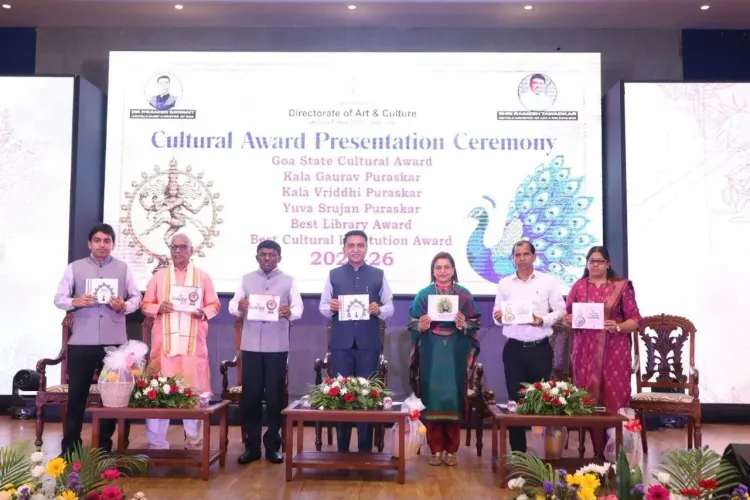
Goa Chief Minister Pramod Sawant presented the Goa State Cultural Awards 2025–26 at Panaji's Sanskruti Bhavan, honouring artists and institutions across five categories — from Kala Gaurav to Yuva Srujan — and reaffirming government support for traditional art forms including Tiatr, Mando and Shigmo.
Key Takeaways
Goa State Cultural Awards 2025–26 were presented at Sanskruti Bhavan, Panaji on 29 September 2026 .
Five award categories recognised: Goa State Cultural Award, Kala Gaurav Puraskar, Kala Vriddhi Puraskar, Yuva Srujan Puraskar , and prizes for Best Library and Best Cultural Institution.
Minister Ramesh Tawadkar and MLA Dr Ane attended alongside CM Pramod Sawant .
CM Sawant specifically named Tiatr, Natak, Mando, Dekhni, Ghode Modni, Zagor and Shigmo as traditions shaping Goa's identity and cultural economy.
Rising youth participation, reflected in the Yuva Srujan Puraskar , was highlighted as an encouraging sign by the Chief Minister.
The Directorate of Art and Culture received appreciation for its role in organising and sustaining cultural preservation efforts.
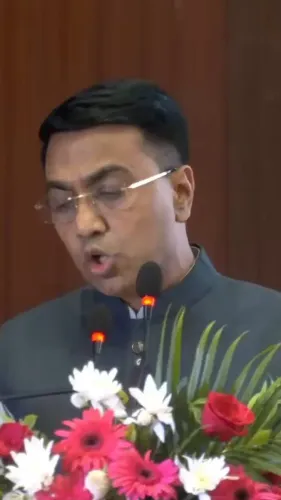
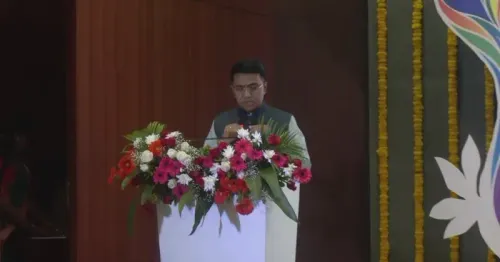
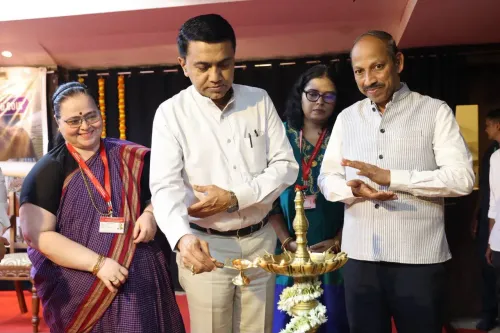
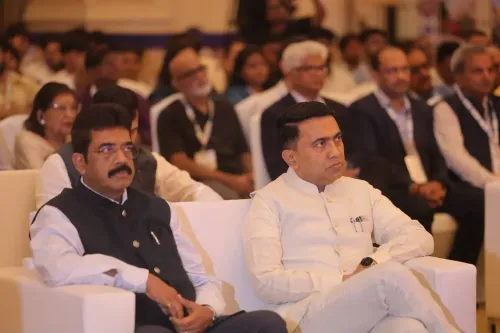
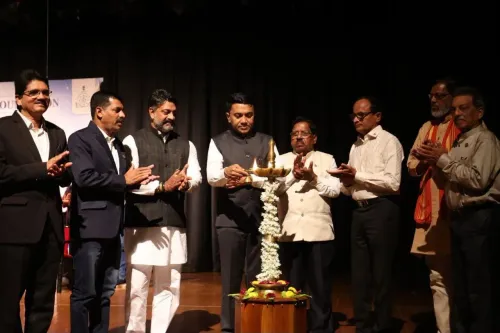
At Sanskruti Bhavan in Panaji on Tuesday, 29 September 2026, Goa Chief Minister Pramod Sawant presided over the presentation of the Goa State Cultural Awards 2025–26, honouring artists, cultural practitioners, institutions and libraries for their contributions to the state's living heritage. The ceremony spotlighted everything from seasoned masters to a generation of young creators stepping into Goa's oldest traditions.
A full roster of honours under one roof
The evening's award slate covered five distinct categories: the Goa State Cultural Award, the Kala Gaurav Puraskar, the Kala Vriddhi Puraskar, the Yuva Srujan Puraskar, and prizes for Best Library and Best Cultural Institution. Minister for Art and Culture Ramesh Tawadkar and MLA Dr Ane were present on the dais alongside the Chief Minister. CM Sawant extended 'heartiest congratulations to all the awardees' across every category.
The Directorate of Art and Culture — the state agency that organises and administers the awards — also received a public note of appreciation from the Chief Minister for its work in preserving and nurturing Goa's cultural legacy.
From Tiatr to Shigmo: the traditions that anchor Goa's identity
Sawant's remarks placed the awards inside a larger cultural map. He named eight art forms by name — Tiatr, Natak, Mando, Dekhni, Ghode Modni, Zagor and Shigmo — as living pillars of Goa's identity. Each represents a distinct strand: Tiatr is Goa's Konkani theatre tradition; Mando and Dekhni are classical song-and-dance forms rooted in the state's Portuguese-era past; Ghode Modni and Shigmo are vibrant festival processions; Zagor is a community ritual performance.
State governments have consistently linked these forms to tourism and the broader cultural economy, and Sawant reiterated that connection, stating the government 'remains committed to supporting artists, encouraging research in the arts and strengthening cultural groups across Goa.'
Youth participation — the signal the Chief Minister called out
One detail Sawant singled out: 'It is especially encouraging to see the growing participation of our youth in art and culture.' The Yuva Srujan Puraskar — a youth-specific category — is the structural instrument behind that encouragement, designed to draw younger practitioners into the formal recognition system before the knowledge chain breaks.
Ensuring intergenerational transmission has been a recurring concern in Goa's cultural policy, given that several traditional forms depend on oral training and live performance contexts that urbanisation and migration can erode. Awards and institutional grants have been the state's primary lever to slow that erosion.
Whether the next state budget translates this stated commitment into expanded grants or new research fellowships for traditional artists will be the real measure of intent — and the arts community will be watching closely.
Point of View
Sawant is reinforcing a BJP-led Goa government strategy that ties cultural identity to regional pride and, indirectly, to tourism revenue. The inclusion of a dedicated youth award category is a structurally sound policy choice: it creates an incentive pipeline for younger practitioners at exactly the moment when oral traditions face the steepest attrition risk. Whether the rhetoric translates into sustained budget commitments — artist grants, research fellowships, performance infrastructure — remains the credibility test for any cultural policy in a small state reliant on seasonal tourism.
NationPress
29 Sept 2026
Frequently Asked Questions
What are the Goa State Cultural Awards 2025–26?
The Goa State Cultural Awards 2025–26 are annual state government honours presented to artists, cultural practitioners, institutions and libraries for their contributions to Goa's heritage. Categories include the Kala Gaurav Puraskar, Kala Vriddhi Puraskar, Yuva Srujan Puraskar, Best Library and Best Cultural Institution awards.
Where was the Goa Cultural Awards 2025–26 ceremony held?
The ceremony was held at Sanskruti Bhavan in Panaji, Goa, on 29 September 2026, presided over by Chief Minister Pramod Sawant.
What is the Yuva Srujan Puraskar?
The Yuva Srujan Puraskar is a youth-specific cultural award given by the Goa government to recognise and encourage young practitioners in the arts, aimed at ensuring intergenerational transmission of traditional art forms.
Which traditional Goa art forms did CM Sawant mention?
CM Sawant named Tiatr, Natak, Mando, Dekhni, Ghode Modni, Zagor and Shigmo as traditions that continue to shape Goa's identity and strengthen the cultural economy.
Who is Ramesh Tawadkar?
Ramesh Tawadkar is Goa's Minister for Art and Culture and was present on the dais at the Goa State Cultural Awards 2025–26 ceremony alongside Chief Minister Pramod Sawant.