CM Sawant Inaugurates Chikhal Kalo 2026, Releases Temple Pilgrimage Booklet
Synopsis
Goa Chief Minister Pramod Sawant inaugurated Chikhal Kalo 2026 at Shree Devki Krishna Temple, Mashel, releasing the Ekadash Teerth Yatra Booklet for 11 sacred temples, felicitating temple presidents, honouring vocalist Mahesh Kale, and congratulating GTDC on winning the Indian Tourism Award for the festival.
Key Takeaways
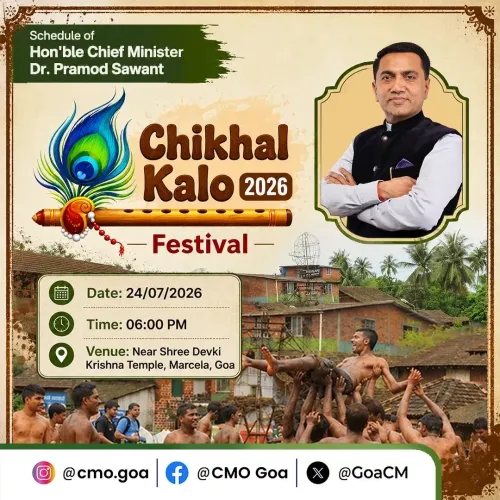
Goa CM Pramod Sawant inaugurated Chikhal Kalo 2026 at Shree Devki Krishna Temple, Mashel on 25 July 2026 .
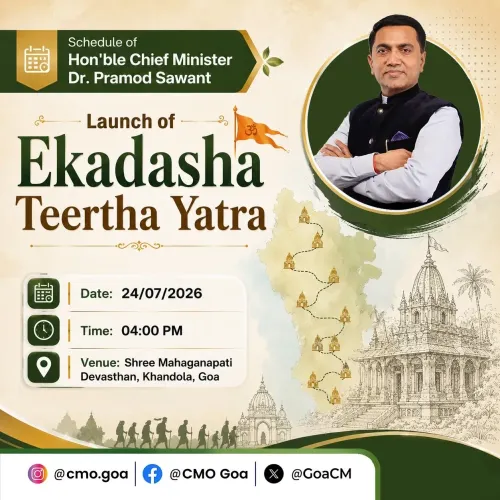
The Ekadash Teerth Yatra Booklet documenting the history of 11 sacred temples in Goa was officially released at the event.
Presidents of all 11 temples in the Ekadash Teerth Yatra pilgrimage circuit were formally felicitated.
Renowned classical vocalist Mahesh Kale was honoured for his outstanding contribution to Indian music.
GTDC received the Indian Tourism Award for Chikhal Kalo , a national recognition of Goa's cultural tourism initiative.
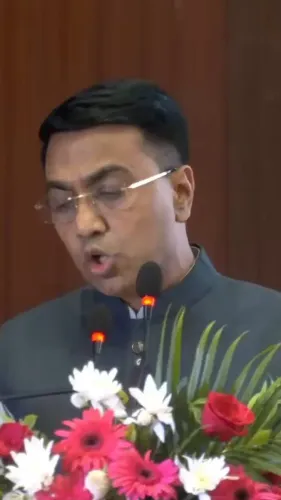
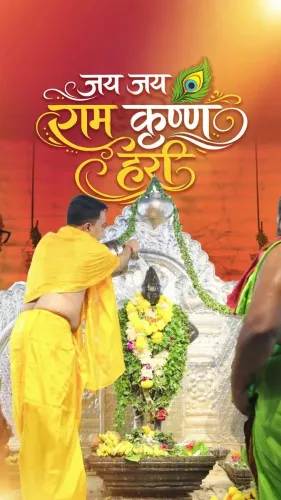
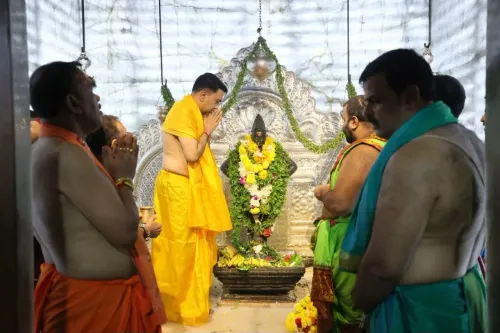
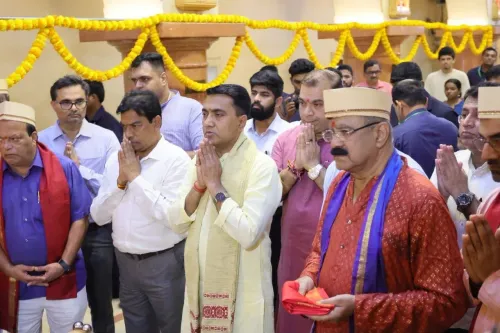
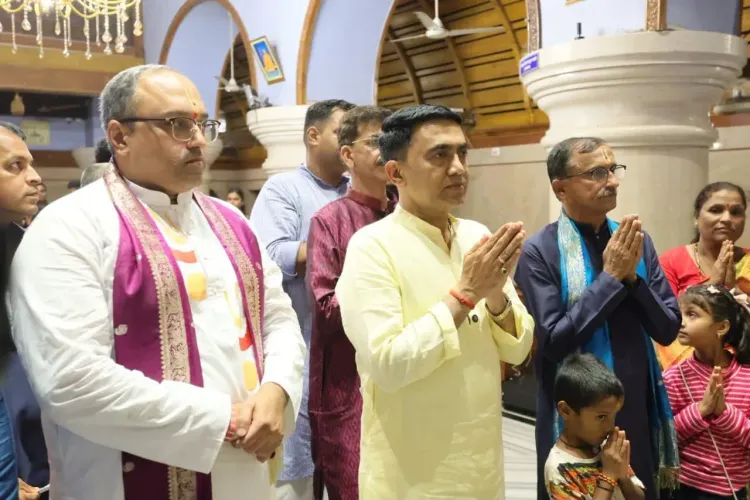
Goa Chief Minister Pramod Sawant inaugurated Chikhal Kalo 2026 at Shree Devki Krishna Temple, Mashel, on Friday, 25 July 2026, marking the annual celebration of Goa's devotional and civilisational heritage rooted in traditions surrounding Lord Krishna. At the event, he released the Ekadash Teerth Yatra Booklet, felicitated the presidents of all 11 temples in the pilgrimage circuit, and honoured classical vocalist Mahesh Kale for his contributions to Indian music.
Context
Chikhal Kalo is an annual cultural and religious festival in Goa centred on devotion to Lord Krishna and community temple traditions. The event at Shree Devki Krishna Temple in Mashel serves as a prominent platform for celebrating the state's living spiritual heritage. Sawant's participation and the scale of the ceremony — spanning a booklet release, temple felicitations, and an arts honour — signal the administration's continued investment in this event as a cultural flagship.
Policy Backdrop
The Goa government has been developing temple-based tourism circuits since the early 2020s to diversify the state's tourism identity beyond its internationally recognised beach destinations. The Ekadash Teerth Yatra — a pilgrimage covering 11 sacred temples across Goa — is central to this strategy, and the newly released booklet documents the history and significance of each site on the circuit. This approach aligns with a broader national emphasis on promoting religious and heritage tourism as drivers of local economies and cultural preservation.
The Goa Tourism Development Corporation (GTDC) received the Indian Tourism Award for Chikhal Kalo at this edition, a national recognition of the event's standing as a model of culturally rooted tourism promotion. GTDC has a record of earning national tourism honours for cultural events, reflecting sustained institutional effort behind Goa's non-beach tourism identity.
Stakeholders and Impact
The felicitation of presidents from all 11 temples in the Ekadash Teerth Yatra circuit underlines the administration's intent to formally recognise temple institutions as partners in heritage tourism. Devotees, domestic pilgrims, and cultural performers stand to benefit from greater visibility and infrastructure as the circuit gains national recognition. Classical vocalist Mahesh Kale, honoured at the event, represents the intersection of devotional music and classical performance that Chikhal Kalo seeks to spotlight.
For GTDC, the Indian Tourism Award strengthens the case for continued public investment in culturally themed events, potentially attracting more domestic tourists to Goa's interior temple towns beyond the coastal belt.
What's Next
Attention will now turn to pilgrim participation numbers and the operational rollout of the Ekadash Teerth Yatra circuit in the coming season, with the newly released booklet serving as the primary guide for devotees. The GTDC's national award recognition is likely to feature in future tourism promotion campaigns for Goa. Whether the administration expands the pilgrimage circuit beyond 11 temples or deepens infrastructure along existing stops will be a key indicator of the programme's long-term trajectory.
Point of View
Institutional felicitations, and an arts honour — reflects a deliberate effort to position Goa's temple traditions as a distinct, nationally competitive tourism brand. The GTDC's Indian Tourism Award provides the administration with tangible validation for this strategy, useful both for future tourism budgeting and political messaging around cultural heritage. This fits a wider pattern among BJP-governed states of elevating Hindu devotional festivals into structured, award-winning tourism products. The Ekadash Teerth Yatra's growing institutional scaffolding suggests the government views religious pilgrimage circuits as a long-term economic and identity project, not merely a ceremonial exercise.
NationPress
23 Oct 2026
Frequently Asked Questions
What is Chikhal Kalo and where is it celebrated?
Chikhal Kalo is an annual cultural and religious festival in Goa celebrating devotion to Lord Krishna and temple traditions. The 2026 edition was held at Shree Devki Krishna Temple in Mashel.
What is the Ekadash Teerth Yatra in Goa?
The Ekadash Teerth Yatra is a pilgrimage circuit covering 11 sacred temples across Goa. A booklet documenting the history and significance of these temples was released by CM Pramod Sawant at Chikhal Kalo 2026.
Who is Mahesh Kale and why was he honoured?
Mahesh Kale is a renowned Indian classical vocalist. He was honoured at Chikhal Kalo 2026 by Goa CM Pramod Sawant for his outstanding contribution to Indian classical and devotional music.
What award did GTDC win for Chikhal Kalo?
The Goa Tourism Development Corporation received the Indian Tourism Award for Chikhal Kalo, recognising the festival as a model of culturally rooted tourism at the national level.
What did CM Pramod Sawant do at Chikhal Kalo 2026?
CM Pramod Sawant inaugurated Chikhal Kalo 2026, released the Ekadash Teerth Yatra Booklet, felicitated the presidents of all 11 temples in the pilgrimage circuit, and honoured vocalist Mahesh Kale.