CM Sawant Meets Union Min Pradhan Over NIT Goa Recruitment
Synopsis
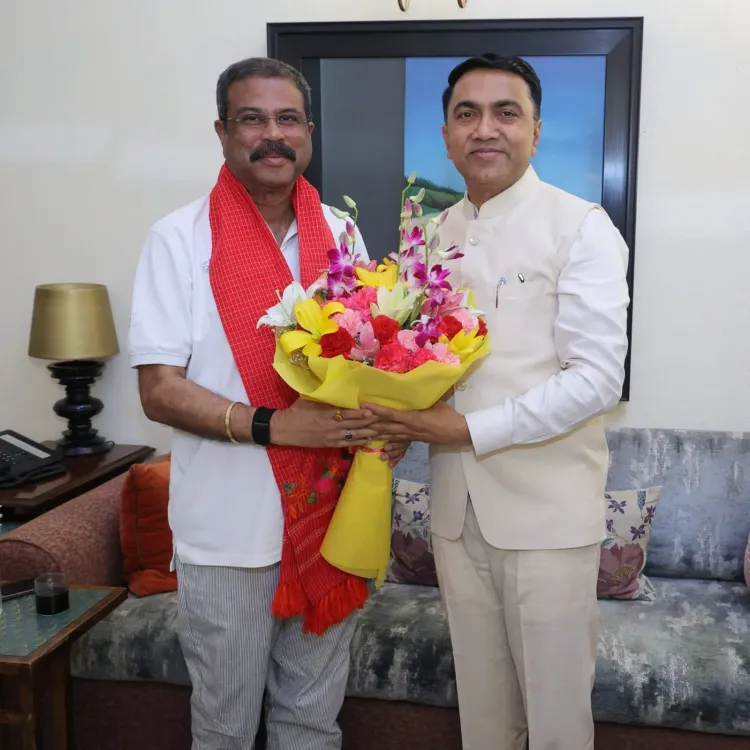
Goa Chief Minister Pramod Sawant met Union Education Minister Dharmendra Pradhan in New Delhi on June 7, 2026, to press for resolution of recruitment-related concerns at NIT Goa. Pradhan offered a 'positive assurance' to act in Goa's interest at the earliest.
Key Takeaways
Goa CM Pramod Sawant met Union Education Minister Dharmendra Pradhan in New Delhi on June 7, 2026 .
The meeting focused on recruitment-related concerns at National Institute of Technology Goa .
Pradhan gave a 'positive assurance' to address the matter 'in the interest of Goa at the earliest.' NIT Goa was established in 2010 and is governed under the NIT Act, 2007 by the Ministry of Education .
Smaller NITs have historically faced vacancy backlogs due to uniform national recruitment norms that can deter applicants.
Follow-up action from the Ministry of Education — such as revised recruitment ads or eligibility relaxations — will be the key indicator of progress.
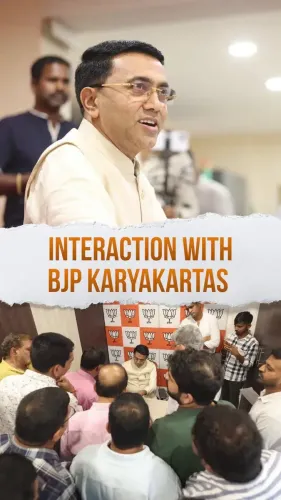
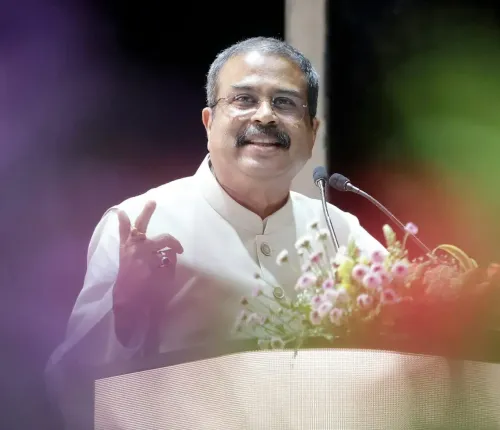
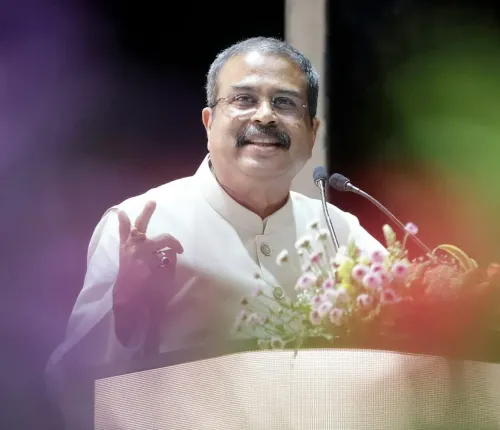
Goa Chief Minister Pramod Sawant met Union Minister of Education Dharmendra Pradhan in New Delhi on Sunday, June 7, 2026, to raise recruitment-related concerns at the National Institute of Technology (NIT) Goa. Sawant said he received a 'positive assurance' from the minister to address the matter 'in the interest of Goa at the earliest.'
Context
NIT Goa, established in 2010 as an Institute of National Importance under the Ministry of Education, has periodically faced faculty and staff vacancy challenges since its operationalisation. The Goa government has raised staffing concerns with the central ministry on multiple occasions over the years. Sunday's meeting signals a fresh push by the state to resolve outstanding recruitment issues at the institute.
Policy Backdrop
All 31 NITs across India are governed by the National Institutes of Technology Act, 2007, which prescribes centralised recruitment norms, reservation policies, and pay scales. The Ministry of Education, headed by Dharmendra Pradhan, holds authority over faculty appointments and operational approvals for these institutes. Smaller-state NITs like NIT Goa have historically struggled to attract sufficient applicants under uniform national norms, contributing to recurring vacancy backlogs.
This state-central dynamic reflects a broader federal coordination challenge: standardised UGC and AICTE norms designed for large institutions can create friction for newer, smaller institutes that lack the scale to compete for talent on the same terms.
Stakeholders and Impact
The most directly affected are Goan engineering students enrolled at NIT Goa, whose academic experience depends on adequate and qualified faculty strength. Prospective faculty candidates — particularly those from Goa and neighbouring states — also have a stake in how recruitment rules are framed or revised. A resolution could open positions and improve the institute's academic standing.
The broader technical education ecosystem in Goa stands to benefit if the centre agrees to revisit recruitment parameters, as it would help the institute build a stable academic cadre over the medium term.
What's Next
Attention will now turn to whether the Ministry of Education issues revised recruitment advertisements or proposes relaxation in eligibility norms specific to NIT Goa. Any formal communication from the ministry or references in the next parliamentary session on higher education vacancies would be key indicators of follow-through on the assurance. Chief Minister Sawant is expected to monitor progress closely given the state government's longstanding interest in strengthening the institute.
Point of View
Newer institutes in states like Goa. By publicly flagging the meeting and the minister's assurance, the Chief Minister signals accountability to local stakeholders — students and faculty aspirants alike — while keeping pressure on the centre to act. The move fits a pattern of BJP-governed states using party channels to expedite administrative decisions within the union government's domain. Whether the assurance translates into concrete recruitment action will determine the political dividend for Sawant ahead of the next academic cycle.
NationPress
26 Oct 2026
Frequently Asked Questions
What did Goa CM Pramod Sawant discuss with Dharmendra Pradhan?
Sawant met Pradhan on June 7, 2026, in New Delhi to discuss recruitment-related concerns at the National Institute of Technology Goa. Pradhan gave a positive assurance to address the matter at the earliest.
What is NIT Goa and who controls its recruitment?
NIT Goa is an Institute of National Importance established in 2010 under the Ministry of Education. Recruitment at all 31 NITs is governed centrally under the NIT Act, 2007, with the Ministry of Education holding approval authority.
Why does NIT Goa face recruitment challenges?
Smaller NITs like NIT Goa often struggle to attract sufficient applicants because uniform national norms on pay scales and eligibility — designed for larger institutes — can be less competitive in smaller states.
What will happen next after the Sawant-Pradhan meeting?
The key follow-up would be the Ministry of Education issuing revised recruitment advertisements or proposing eligibility relaxations for NIT Goa. References in parliamentary discussions on higher education vacancies would also signal progress.
How long has Goa been raising NIT staffing concerns?
The Goa government has raised faculty vacancy concerns at NIT Goa with the central ministry periodically since the institute became operational in 2010.