CM Sawant Chairs Meeting on Goa College of Fisheries Science
Synopsis
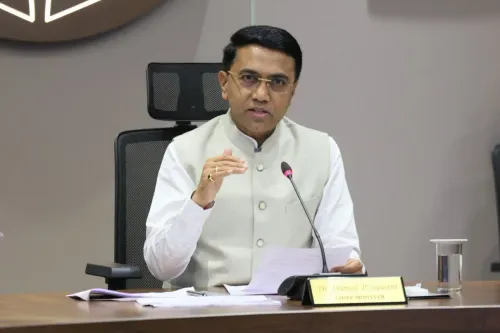
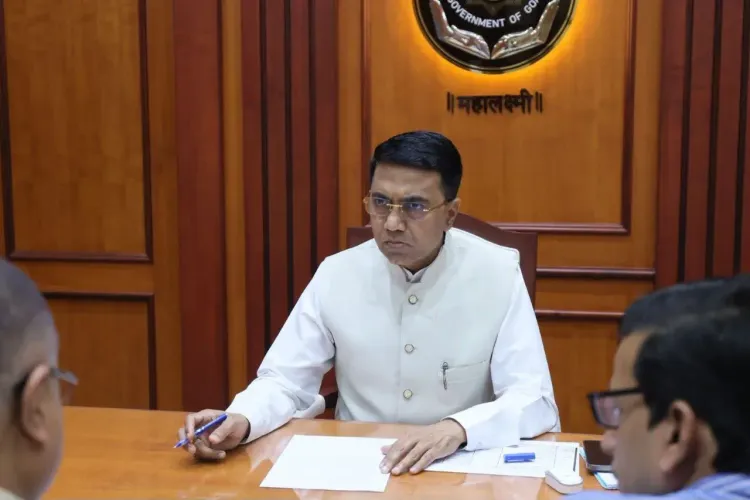
Goa Chief Minister Pramod Sawant chaired a meeting in Panaji on October 5, 2026, reviewing the operationalisation of the Goa College of Fisheries Science, including a proposed transfer of 2.6 hectares of Veterinary Department land for construction of the college building.
Key Takeaways
CM Pramod Sawant chaired a review meeting at Mahalaxmi, Panaji on October 5, 2026 on the Goa College of Fisheries Science.
Key agenda items included infrastructure, faculty requirements, and construction of a dedicated college building.
Transfer of 2.6 hectares of land under the Veterinary Department was discussed for the college's construction.
The college is intended to strengthen fisheries education, scientific research, and skilled human resources in Goa.
The initiative addresses the long-standing absence of a dedicated fisheries science institution within the state.
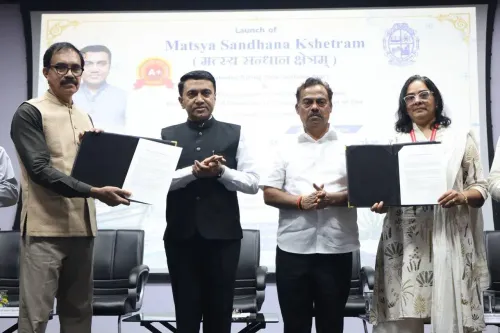
Goa's fisheries sector got a concrete institutional push on Monday, October 5, 2026, as Goa Chief Minister Pramod Sawant chaired a high-level review meeting at Mahalaxmi, Panaji on the establishment and operationalisation of the Goa College of Fisheries Science — a facility being positioned as the backbone of the state's fisheries education and research ecosystem.
What the review covered: land, staff, and a new building
The meeting examined the full spectrum of the college's operational readiness. Discussions spanned infrastructure gaps, land availability, faculty and staffing requirements, and the construction timeline for a dedicated college building. A key item on the table: the proposed transfer of 2.6 hectares of land currently under the Veterinary Department to be repurposed for the new college building — a bureaucratic unlock that, if cleared, would physically anchor the institution on a formal campus.
CM Sawant described the college as 'an important step towards strengthening fisheries education, scientific research and skilled human resources in Goa's fisheries sector.' The meeting's multi-department scope — touching land records, construction, and human resources simultaneously — signals the administration is attempting to move on all fronts at once rather than sequencing approvals.
Why a dedicated fisheries college matters for Goa
Goa's coastline stretches over 100 kilometres, and the fishing community has historically lacked a state-level institution dedicated to fisheries science — relying instead on colleges in other coastal states for specialised degrees. A dedicated institution would allow Goa to train its own marine biologists, aquaculture specialists, and fisheries managers locally, reducing the brain drain that pulls talented students to Maharashtra, Kerala, or Tamil Nadu.
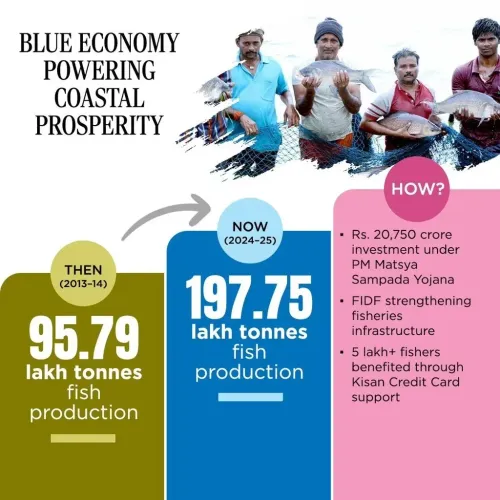
The push also fits within a broader national emphasis on the Blue Economy — the government's framework for sustainably harnessing ocean resources. A college grounded in scientific research could eventually feed into aquaculture innovation and sustainable fishing practice, both of which are pressing priorities as marine stock pressures intensify along the Konkan coast.
Whether the Veterinary Department land transfer clears quickly or gets caught in inter-departmental delays will be the first real test of momentum. The bricks-and-mortar question — when ground breaks — is what the fishing community will be watching.
Point of View
Staffing, and construction in a single review signals administrative intent, but the inter-departmental land transfer from the Veterinary Department is the critical pinch point. If the Sawant government can fast-track that clearance, the college shifts from announcement to ground reality; if it stalls, the initiative risks joining a long list of fisheries promises that never reached the waterfront.
NationPress
6 Oct 2026
Frequently Asked Questions
What is the Goa College of Fisheries Science?
The Goa College of Fisheries Science is a proposed state institution aimed at providing specialised education and scientific research in fisheries — a field Goa has lacked a dedicated college for despite its extensive coastline.
Where will the Goa College of Fisheries Science be built?
The college building is planned on 2.6 hectares of land currently under the Veterinary Department, with the transfer of that land discussed at the October 5, 2026 review meeting chaired by CM Pramod Sawant in Panaji.
Why is Goa setting up a separate fisheries science college?
Goa's fishing community has historically had to study fisheries science in other coastal states. A dedicated institution will enable local training in marine biology, aquaculture, and fisheries management, supporting the state's Blue Economy ambitions.
What did CM Pramod Sawant review in the October 2026 meeting?
CM Sawant reviewed the college's infrastructure requirements, land and facilities, staffing and faculty needs, construction of the college building, and the proposed transfer of 2.6 hectares from the Veterinary Department.
What is the current status of the Goa College of Fisheries Science?
As of October 2026, the college is in the planning and operationalisation stage. Key steps — including land transfer and building construction — are under active review by the Goa government.